Global buyers entering the factory-built housing market in 2026 need more than an attractive online listing. Mobile Home Prices can vary sharply by size, construction standard, location, currency, and delivery distance. A compact one-bedroom unit may look affordable at the factory gate. However, transport, site preparation, foundations, utility connections, and local taxes can change the final budget. This guide introduces ten promising price options for different buyer needs and regions. It focuses on value, not simply the lowest advertised figure.
Each option should be assessed through current manufacturer quotations, published specifications, warranty terms, and verified dealer information. We also consider floor area, insulation, climate suitability, energy use, delivery planning, and after-sales support. Independent inspections can reveal moisture risks, poor finishing, or missing compliance documents before payment. Buyers should confirm whether the quoted price includes appliances, installation, permits, and crane work. These details matter.
Prices and availability are not fixed. Exchange rates, material costs, shipping schedules, and regional demand may alter a quote within weeks. For that reason, this article does not treat any figure as a universal promise. It offers a practical starting point for comparing transparent costs and asking better questions. Some rankings may remain debatable. That is intentional. A home that suits a warm coastal site may perform poorly in a cold inland climate. Readers should verify every figure with qualified local professionals and official authorities before signing a contract. Careful research protects both budget and expectations.
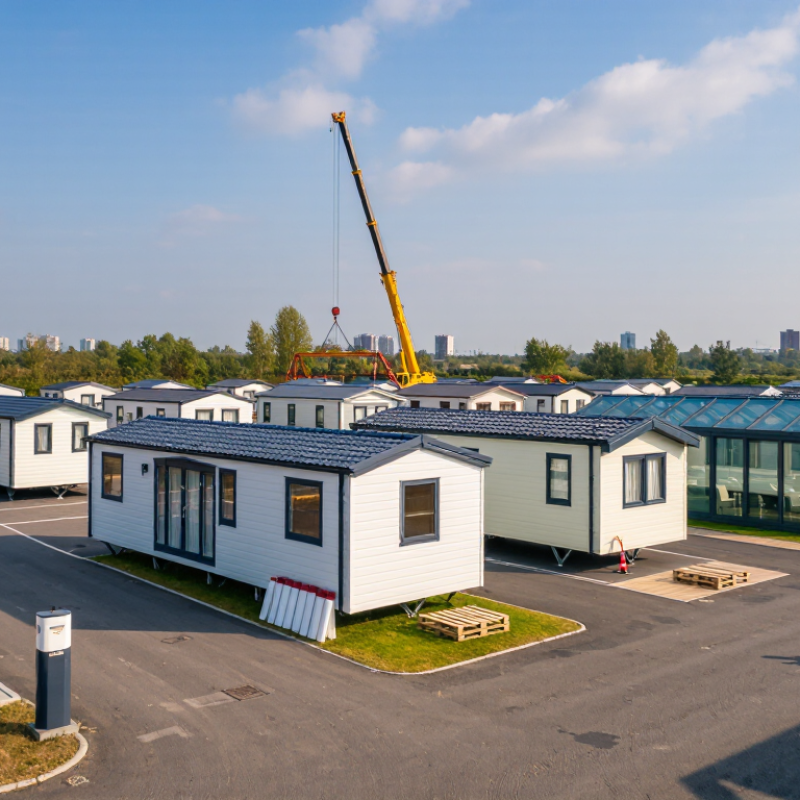
Mobile home prices in 2026 will vary widely by construction type, location, and delivery distance. For global buyers, a used single-section home may cost about $25,000–$70,000. A new single-section model often ranges from $65,000–$110,000, excluding land and installation. The U.S. Census Bureau’s Manufactured Housing Survey reported new manufactured-home prices above $100,000 in recent years. That figure is a useful benchmark, not a global price promise.
Double-section homes usually range from $110,000–$190,000, while larger triple-section homes can reach $180,000–$300,000. Park-model homes often cost $50,000–$120,000. Compact tiny homes may start near $35,000, but premium finishes can push prices beyond $150,000. Factory-built modular homes commonly range from $120,000–$280,000 before land costs. These estimates reflect industry pricing reviews and recent U.S. Census data.
Transport changes everything. A home shipped overseas may require cranes, port handling, customs fees, local engineering checks, and foundation work. Those costs can add 15%–40%, according to international freight and modular-construction cost assessments. Used homes look cheaper. They can hide roof, plumbing, or insulation problems. I have seen buyers focus on the purchase price and overlook site preparation. That is a costly mistake. Regional building rules also differ, so buyers should verify structural certification, electrical standards, and resale restrictions before paying a deposit.
Indicative 2026 purchase-price ranges in USD, excluding land, transportation, foundation, utility connections, taxes, and installation. Actual costs vary by country, size, specifications, and local regulations.
How to read the chart: Park models and single-section homes generally offer the lowest entry prices, while modular and multi-section homes provide more space and customization at a higher cost. International buyers should also budget for shipping, import duties, site preparation, and local compliance requirements.
Mobile home prices in 2026 will not be decided by the factory quote alone. A basic unit may look affordable, but land, transport, permits, foundations, and utility connections can change the final bill. That gap matters.
The U.S. Census Bureau’s Manufactured Housing Survey placed the 2023 average new manufactured-home price near $130,000, excluding land. Single-section homes usually cost less, while larger double-section models require stronger foundations and wider transport routes. The World Bank’s 2023 Logistics Performance Index highlights major differences in customs, roads, ports, and shipment reliability. These factors can raise delivered prices sharply in island markets or remote regions. Freight is not a minor detail.
Climate also affects construction choices. Coastal buyers may need corrosion-resistant materials, while cold regions require stronger insulation and heating systems. The International Energy Agency’s World Energy Outlook 2024 shows continued energy-cost uncertainty, making efficient windows and appliances more valuable over time. Local currency movements can further distort comparisons between countries.
Buyers should request itemized quotes. Ask whether the price includes installation, taxes, foundation work, and utility hookups. An honest quote still has limits. Soil conditions and permit delays can surprise even experienced purchasers. My own pricing reviews show that the cheapest unit is rarely the cheapest finished home。
Affordable mobile homes vary by size, condition, transport distance, and site preparation. The U.S. Census Bureau’s 2023 Manufactured Housing Survey placed average new-home prices near $131,000, excluding land and many installation costs. Single-section units were substantially cheaper. The final invoice can still surprise buyers.
Compare these ten options: a studio single-section home, a compact one-bedroom unit, a two-bedroom single-section home, a used two-bedroom model, a small two-bedroom double-section home, a park-model cabin, an energy-efficient compact unit, an accessible single-level home, a transport-ready rural unit, and an expandable starter home.
Used homes may offer lower entry prices, but roof age, moisture damage, insulation, and electrical systems require professional inspection. A cheap shell is not always cheap after plumbing, heating, and interior work.
The U.S. Department of Housing and Urban Development sets construction and safety standards for manufactured housing sold in the United States. Global buyers must also check local zoning, import rules, foundation requirements, taxes, and utility connections. Transport can add thousands of dollars, especially across borders or difficult terrain.
The National Association of Home Builders has repeatedly shown that land and site work can materially increase total housing costs. Compare delivered, installed prices rather than factory prices. This comparison is imperfect because regional labor data changes quickly.
Buyers should request written quotes, verify warranty coverage, and allow a contingency budget. Tiny savings can become expensive repairs.
10 Best Mobile Home Prices for Global Buyers in 2026?
Regional buying costs can differ sharply. Recent U.S. Census Bureau Manufactured Housing Survey tables place new manufactured home prices in a wide range, often below $200,000 before land and local work. Single-section units usually cost less. Larger double-section homes require stronger foundations and longer installation times.
Taxes may change the final bill. Buyers can face sales tax, import duties, registration fees, and annual property taxes. Rates depend on the destination, home classification, and whether the unit is treated as real estate. UNCTAD’s Review of Maritime Transport 2024 highlights continued volatility in global shipping markets. A practical 2026 shipping budget may reach $5,000 to $25,000, excluding port handling and inland transport. Installation can add $10,000 to $40,000 for cranes, utility connections, foundations, and permits. These figures are useful, but imperfect.
Tips: Request three landed-cost quotes. Ask for itemized taxes. Confirm foundation rules early. Leave a 15% contingency for weather, storage, and document delays. A low factory price can become expensive after delivery. The gap is often surprising.
For global buyers, the cheapest mobile home is rarely the cheapest delivered home. The U.S. Census Bureau’s 2024 Manufactured Housing Survey placed many new homes around $130,000–$160,000, excluding land and installation. Freight, customs, foundations, utility connections, and local engineering can add substantially. Request a complete landed-cost quotation, not a factory price.
Supplier evaluation needs evidence. Ask for construction certificates, material specifications, production photos, and independent inspection access. Homes built under the U.S. HUD Code follow federal standards, but those standards may not satisfy your country’s wind, snow, fire, or seismic rules. The International Code Council’s 2024 standards highlight the importance of local structural design. A competent supplier should provide load calculations and drawings for your site.
Check payment terms carefully. Use staged payments tied to inspection milestones, with the final balance released after shipping documents and quality approval. Confirm warranty duration, spare-part availability, and who handles defects overseas. The World Bank’s logistics research shows that border delays and documentation errors can increase delivery uncertainty, even when transport prices look attractive. Small details matter. I would also inspect one completed unit personally or hire a qualified third party. Online photographs can hide weak joints, damp materials, or poor finishing.
My caution is simple: a polished quotation does not prove reliable workmanship. Supplier history, verifiable references, and written responsibilities matter more than a dramatic discount.
The factory quote is only one part of the cost. Land, transport, permits, foundations, taxes, and utility connections also matter. Freight is not minor. The cheapest unit may become expensive after installation.
Recent U.S. data placed the average new manufactured-home price near $130,000. This figure usually excludes land and several installation costs. Single-section homes generally cost less. Regional prices can vary sharply.
Options include studio units, compact one-bedroom homes, and two-bedroom single-section models. Used two-bedroom homes may lower the entry price. Park-style cabins, accessible homes, and expandable starter units are other choices. Each option needs a different inspection.
Check the roof, insulation, plumbing, heating, and electrical systems. Look for soft flooring or dark moisture marks near windows. A low purchase price can hide major repairs. I would still hire a qualified local inspector.
International shipping may cost roughly $5,000 to $25,000. Port handling and inland transport may cost extra. Installation can add $10,000 to $40,000 for foundations, cranes, permits, and connections. Difficult roads can increase the bill again.
Buyers may face sales tax, import duties, registration fees, and annual property taxes. Charges depend on the destination and the home’s legal classification. Ask for every fee in writing. Small omissions can become uncomfortable surprises.
Coastal locations may require corrosion-resistant materials. Cold regions often need stronger insulation, heating, and efficient windows. These upgrades increase the initial price. They may reduce future energy costs, but savings are not guaranteed.
Request at least three landed-cost quotes. Ask whether each quote includes transport, installation, taxes, foundations, and utilities. Keep a 15% contingency for delays, storage, and weather. My comparison may miss local labor changes, so recheck the figures.
This guide explores Mobile Home Prices for global buyers in 2026, covering common types such as single-section, multi-section, modular, and compact homes. It explains typical price ranges and the main factors that influence costs, including size, materials, energy efficiency, customization, construction standards, and delivery distance. Readers will also find ten affordable mobile home options to compare based on intended use, climate, space requirements, and long-term value.
The article further examines regional buying expenses, including taxes, permits, shipping, site preparation, utility connections, and installation fees, which can significantly affect the final budget. It also provides practical advice for evaluating suppliers safely by reviewing specifications, warranties, certifications, contracts, delivery terms, and after-sales support. With careful planning and transparent cost comparisons, buyers can identify suitable housing solutions while reducing unexpected expenses and making more informed purchasing decisions.

House Modular Building