Engineered to deliver exceptional thermal resistance, fire rating compliance, and structural longevity for modern modular infrastructures.
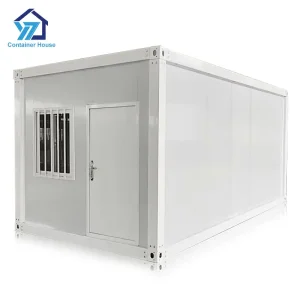
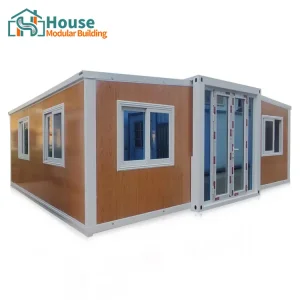
Understanding the core components that define advanced thermal efficiency, shear strength, and building lifespan.
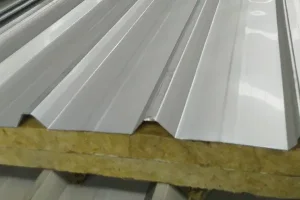
Modern architectural layouts mandate insulation materials that balance density with thermal barrier properties. Our panels utilize high-density polyurethane (PU), polyisocyanurate (PIR), and mineral rockwool cores designed to significantly reduce thermal bridges, achieving U-values as low as 0.018 W/(m·K) for extreme climatic performance.
The mechanical integrity of modular buildings is contingent on the joint interface. Leveraging advanced tongue-and-groove joint profiles, cam-locks, and precision EPDM gaskets, our structural fitting systems eliminate moisture ingress, prevent vapor diffusion, and easily withstand high wind-load ratings across coastal zones.
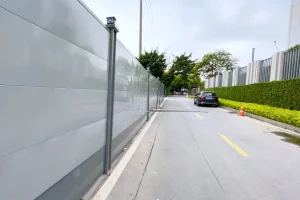
Designed for rapid mobilization and dismantling, our architectural wall cladding and roofing assemblies are compatible with structural steel frames. The self-supporting capability of our sandwich panels enables spans exceeding 6 meters without secondary support systems, lowering steel structural expenditures.
Within modern structural engineering, sandwich panels act as both secondary load-bearing members and the primary thermal enclosure. Achieving structural efficiency requires balancing insulating performance, mechanical resistance, and fire behavior.
For applications where thermal performance is paramount, Polyisocyanurate (PIR) chemistry represents the gold standard. PIR’s high level of ring-structure cross-linking delivers superior thermal resistance (R-values up to 7.2 per inch) and improved charring properties compared to standard polyurethane. Conversely, for industrial facilities with stringent fire protection limits, high-density Mineral Rockwool (up to 120 kg/m³) core panels provide up to 4 hours of fire resistance, resisting temperatures exceeding 1000°C in compliance with EN 13501-1 Class A1/A2 ratings.
The structural efficacy of an insulated sandwich wall assembly is limited by its joints. Continuous double tongue-and-groove connections, backed by high-performance sealants, ensure air-tightness in critical controlled environments, such as pharmaceutical cleanrooms and cold-storage facilities. Precision-machined internal cam-locks facilitate high-stress mechanical clamping, maintaining continuous gasket compression and sealing thermal envelopes without secondary fasteners.
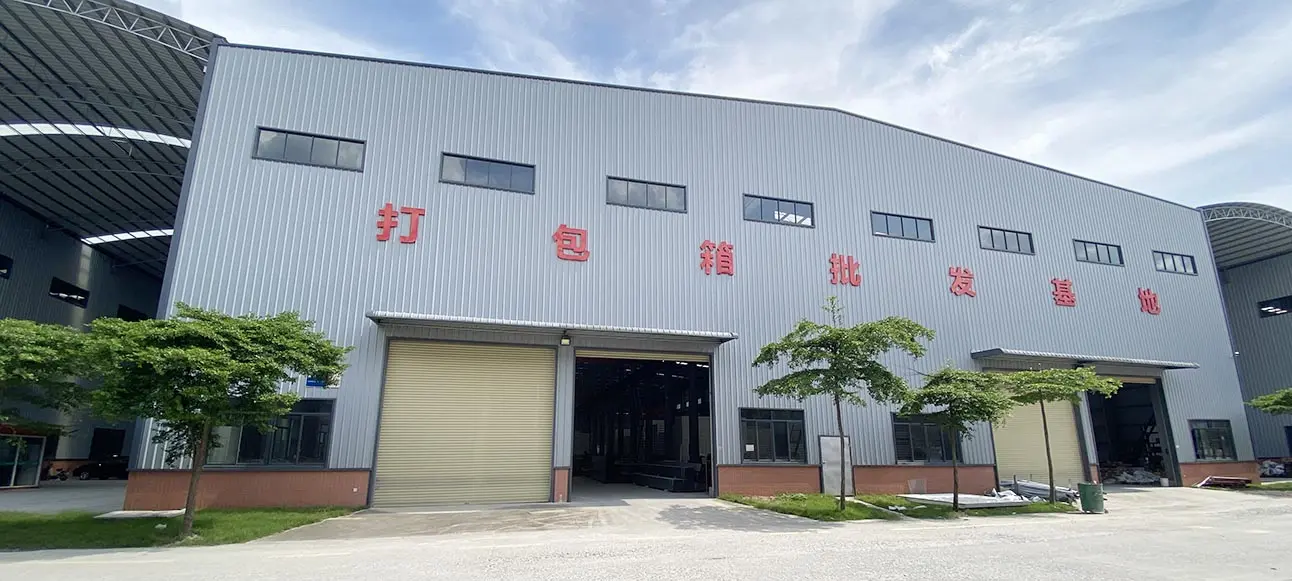
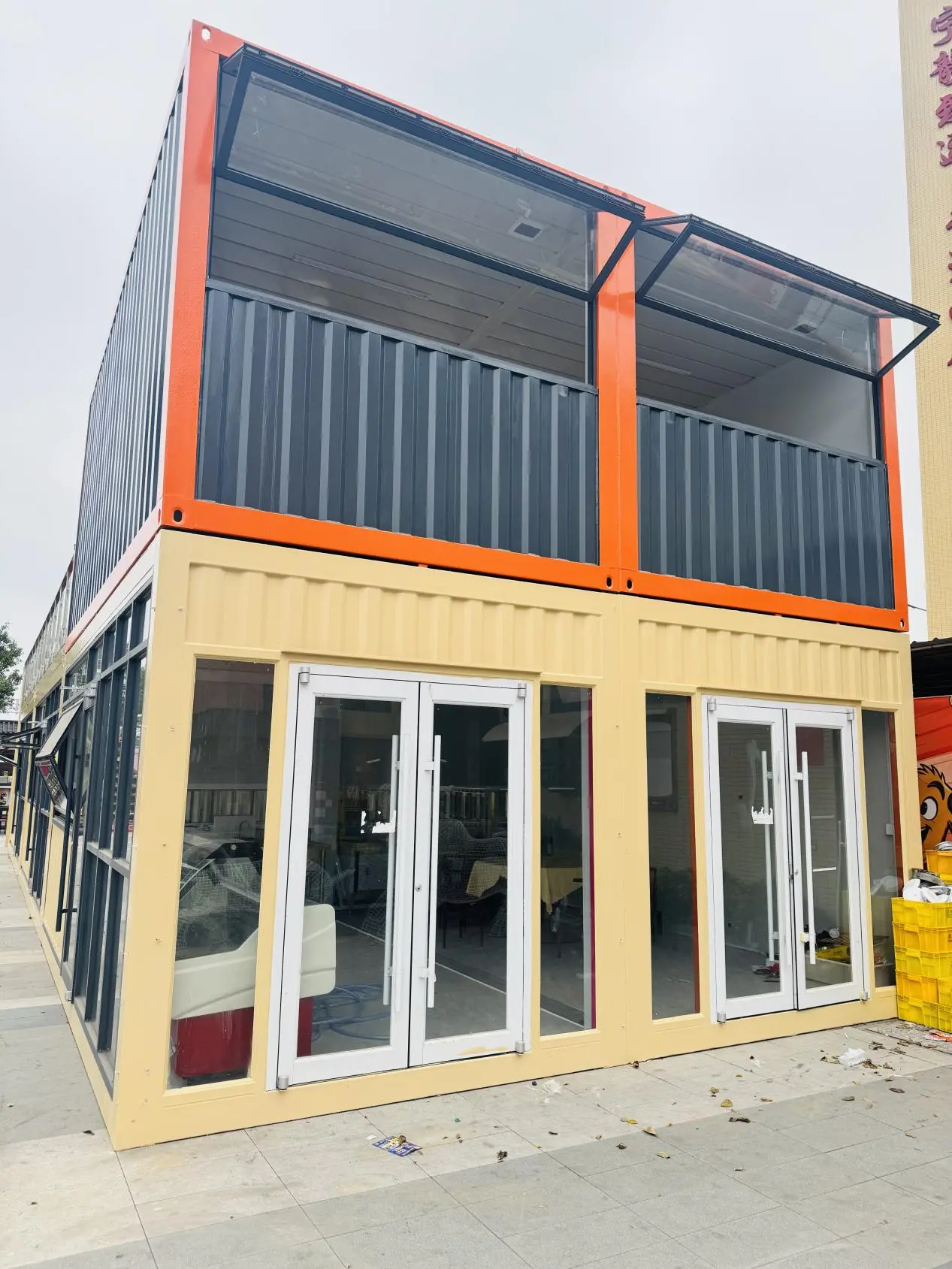
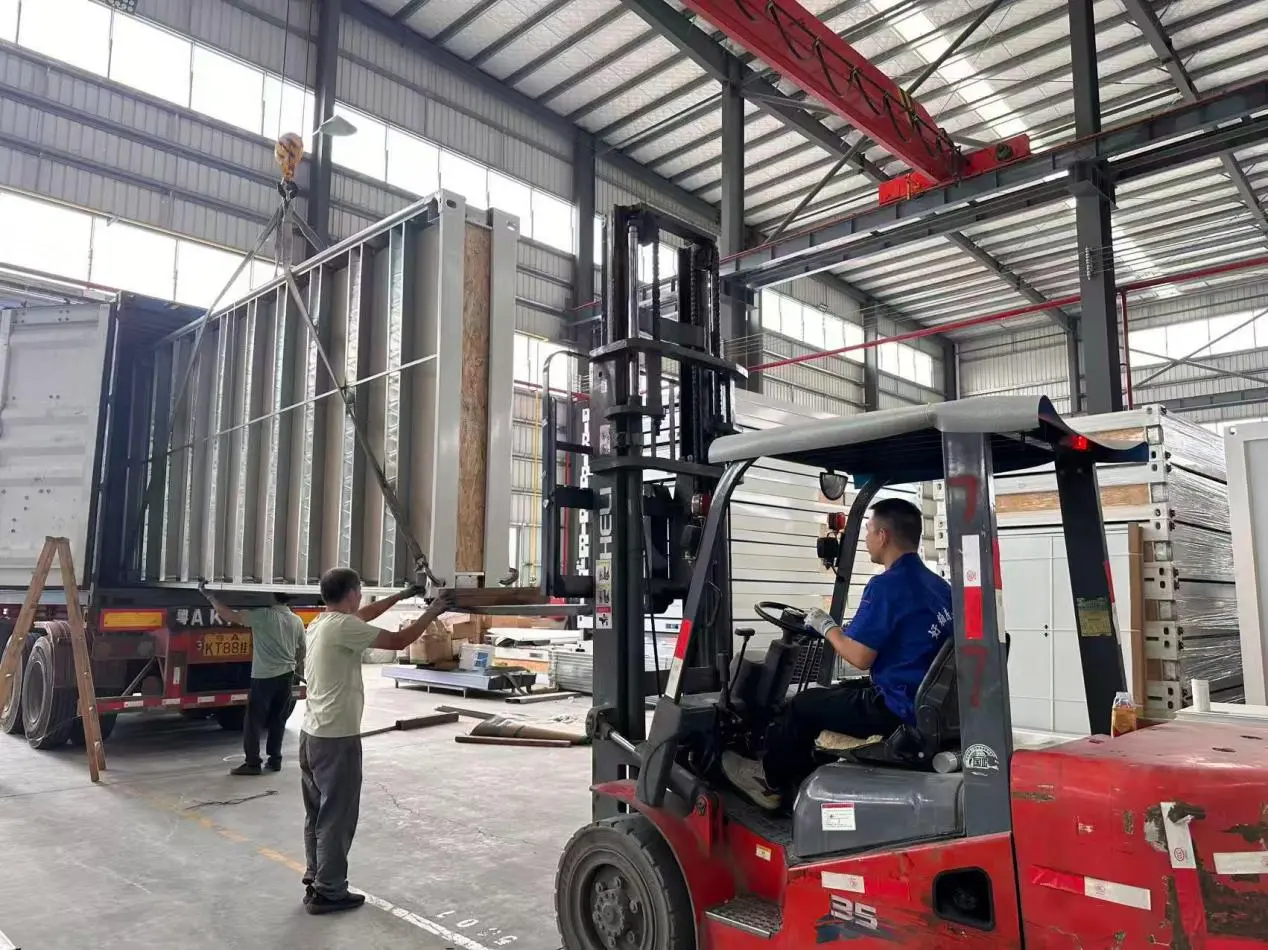
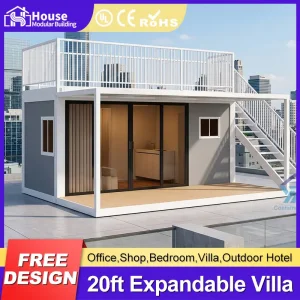
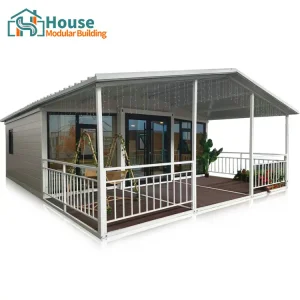
House Modular Building has rich professional knowledge and experience in the production of container houses and prefabricated houses. The company has a design team to provide solution design for customers' needs, a sales team to follow up and serve customers' order requirements, and the factory guarantees product delivery with quality and production efficiency.
In order to better serve customers and demonstrate the company's production and delivery capabilities, we have established production bases in both the north and south of China to provide efficient delivery capabilities to customers with different national needs. We support OEM and ODM operations in our factory for different countries, and provide distributors with a mutually beneficial partnership.
For a long time, with the evaluation and recognition of customer satisfaction, our company team has comprehensive service capabilities and business technology coverage, starting from the production of raw materials, to the construction and construction of foundations, and then to the construction and operation of service systems.
House Modular is a production oriented enterprise. The company has a large production base, and the factory has a senior professional independent research and development team. The factory currently has more than 200 employees, among which technical personnel such as shell research and development account for more than 30% of the total number of employees; More than 60% of the employees have over 5 years of experience in the shell production industry, and the core members of the team have worked in the building materials service field for more than 10 years. As a supplier of container houses, we must have a strong team to serve customers and solve their demand problems.
Addressing the shifting landscape of modular green buildings, supply chain optimizations, and future technical roadmaps.
Procurement departments face the challenge of balancing structural criteria with regulatory standards. Global projects require sandwich panels with international compliance certifications, including European CE standards, FM Approvals, and American ASTM fire safety metrics. Selecting correct material coatings (e.g., PVDF, High-Durability Polyester, or Plastisol) is essential for projects near high-salinity marine zones or chemical treatment plants to prevent galvanic corrosion and premature failure.
As the construction sector targets net-zero carbon footprints, sandwich panels play a critical role in decreasing operational carbon. Leading engineering companies are adopting panels utilizing bio-based polyols or post-consumer PET bottles, cutting embodied carbon footprint by up to 25%. Enhanced end-of-life recyclability and cradle-to-cradle certification paths are transitioning from voluntary preferences to core procurement requirements.
Our research and development initiatives focus on three key building material technologies:
Expert insights on the engineering characteristics, quality control, and installation of sandwich panel systems.
Span capacity depends on skin thickness, core shear modulus, and wind load targets. Our engineers utilize structural calculation models to ensure panels meet the safety factors defined in EN 14509, preventing deflection limits (L/200) under local environmental loads.
We recommend hidden-fix, double tongue-and-groove joint profile geometry integrated with continuous vapor barrier tape. For cleanrooms and cold-storage areas, incorporating specialized internal cam-locks ensures the insulation cores remain tightly compressed without thermal bridging.
Yes, our standard structural layouts support integration. We design dedicated vertical connection fittings, corner trims, and structural support frames to ensure a weather-tight connection between the glass curtain wall and sandwich panel envelope.
We monitor raw materials and execute regular quality control testing. This includes core density checks, tensile/shear strength evaluations, and fire endurance checks. This guarantees that our panels meet regional structural integrity and safety standards.
Our dual-production base layout optimizes logistics and scheduling. By selecting the facility closest to your project's shipping port, we reduce inland transportation times and maritime shipping costs, helping projects stay on schedule.
Yes, we provide full support. Our design and technical teams collaborate with you to customize panel dimensions, cores, steel thicknesses, and surface colors, helping you meet regional design and functional requirements.
Combining the thermal properties of structural sandwich panels with advanced modular frames and modern architectural design.
 House Modular Building