Prefab Metal Homes are gaining significant attention in the construction market. With a growing demand for sustainable and cost-effective living solutions, buyers globally are exploring these innovative structures. According to a recent report by IBISWorld, the modular construction industry is projected to grow at a compound annual growth rate of 6.0% over the next five years. This trend highlights the increasing acceptance of prefab homes.
China has emerged as a leading manufacturer of these homes, offering a variety of designs and customizations. These homes are celebrated for their durability and energy efficiency. The global market for prefab homes was valued at approximately $21.4 billion in 2022, as reported by Grand View Research. This presents a significant opportunity for international purchasers seeking reliable housing options.
However, not all prefab metal homes maintain the same level of quality. Some manufacturers might cut corners in material production, leading to concerns about long-term sustainability. Buyers should conduct thorough research and seek trusted suppliers to avoid potential pitfalls. Evaluating reviews and certifications is crucial in this rapidly evolving market.
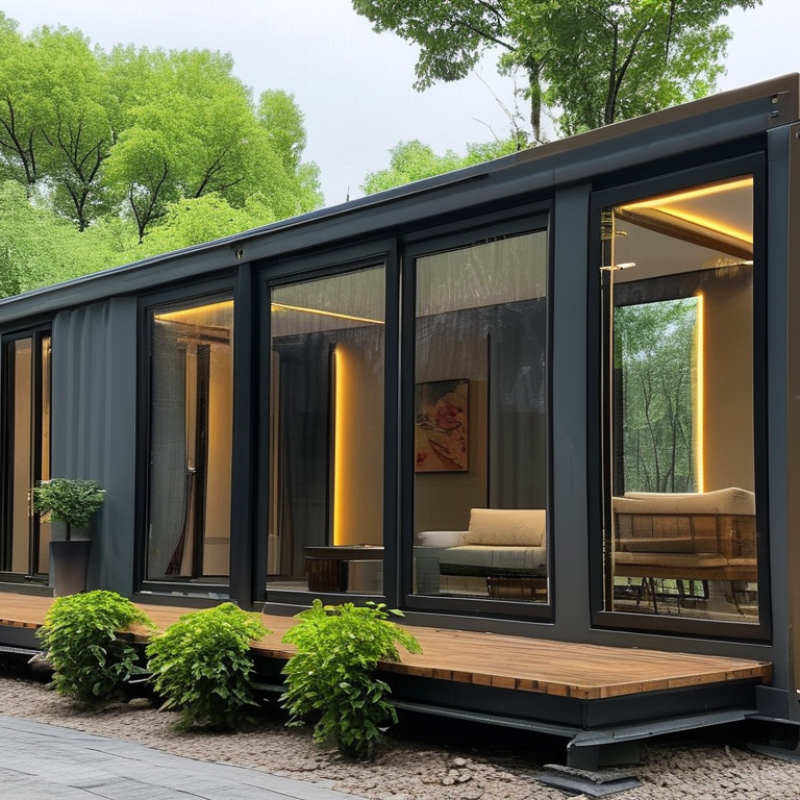
China has emerged as a significant player in the global prefab metal home industry. Numerous manufacturers are utilizing advanced technology and sustainable practices to meet international demand. According to a recent market report, the prefab housing market is expected to reach $150 billion by 2026, with a large portion stemming from China. This growing sector presents countless opportunities for global buyers seeking high-quality metal homes.
Leading Chinese manufacturers focus on customizable designs, rapid construction, and durability. Their products often feature energy-efficient materials and innovative designs suited for various climates. Industry data indicate that prefab metal homes can reduce construction time by up to 50%. This efficiency is appealing to many buyers looking to minimize delays and maximize investment.
Tips: When exploring options, assess various manufacturers based on their certifications. This ensures compliance with international standards. Inspect past projects to gauge quality and workmanship. Lastly, consider the environmental impact, as sustainability is becoming crucial in the housing sector.
Prefab metal homes in China offer unique advantages for global buyers. These homes are known for their durability and strength. They withstand harsh weather conditions better than traditional houses. In areas prone to natural disasters, this attribute is essential.
Moreover, prefab metal homes have an eco-friendly edge. They often use sustainable materials, reducing the overall carbon footprint. Buyers can benefit from energy efficiency as well. Many designs incorporate insulation techniques that lower energy consumption, which is cost-effective in the long run. However, navigating regulations in different countries can be challenging.
Customization remains a key feature. Buyers can choose designs that reflect their personal taste. This flexibility invites creativity, but it may also lead to indecision. Efforts to optimize space and layout require careful thought. Having the right balance between aesthetics and functionality can prove difficult for some buyers.
Chinese prefab metal homes have gained significant attention in the global market due to their innovative designs and practical features. These homes offer durability, energy efficiency, and quick assembly, attracting buyers seeking modern living solutions. According to a recent industry report, the global prefab market is projected to grow at a CAGR of 5.7% from 2021 to 2028. This growth is driven by advancements in construction technology and rising consumer demand for affordable housing.
One key feature of Chinese prefab metal homes is their ability to withstand harsh weather conditions. Many designs incorporate high-quality materials that meet or exceed international standards. For instance, galvanized steel is commonly used for its corrosion resistance and strength. Additionally, these homes often come with insulation options that enhance energy efficiency, ensuring comfort throughout the year. However, some buyers express concerns about the aesthetic appeal. While modern designs are functional, the minimalist style may not suit everyone's taste.
Flexibility in design is another significant advantage. These homes can be customized to fit various needs, from single-family units to larger multi-unit buildings. Some designs allow for additional expansion in the future, adding to their practicality. Despite these benefits, challenges remain. Logistics and cost fluctuations can complicate the sourcing of materials and delivery timelines. Buyers should consider these factors when exploring options in the Chinese prefab metal home market.
Navigating international shipping and import regulations for prefab homes can be daunting. Each country has unique requirements. For instance, the World Bank reports that shipping costs can account for up to 30% of total project expenses. This statistic highlights the importance of planning and understanding the logistics involved in transporting prefab homes.
Import regulations vary significantly. In the United States, the Department of Housing and Urban Development (HUD) enforces strict standards. These include safety, energy efficiency, and structural integrity tests. Non-compliance can lead to costly fines or delays. It's critical to liaise with local authorities to ensure these regulations are adequately met.
Documentation is another key factor. Shipping prefabs requires comprehensive paperwork, including bills of lading and import permits. Delays due to paperwork can lead to increased costs. According to a recent report from the Global Supply Chain Institute, inefficiencies in documentation can increase shipping times by an average of 15%. Thus, thorough preparation and understanding are essential for a smooth process.
Customer feedback plays a crucial role in understanding the value of prefab metal homes from China. Many buyers appreciate the quick construction time and cost-effectiveness of these homes. They often report satisfaction with the robust design and energy efficiency. However, some customers express concerns about the customization options available. While standard models are easy to order, unique designs may take longer and be more expensive.
People value durability in their homes. Many reviews highlight how well these metal structures withstand harsh weather conditions. Customers often feel secure in their investment. Yet, the insulation quality is sometimes questioned. Some buyers mention that their homes require additional insulation for extreme climates. This feedback shows the importance of understanding specific needs before purchasing.
Reviews also reflect varying experiences with customer service. While many buyers report positive interactions, others face challenges in communication. Timely responses are essential for a smooth buying process. Transparency around shipping and assembly timelines can improve satisfaction ratings. Buyers want a reliable partner in their home building journey, valuing open dialogue throughout the process.
| Model | Customer Rating | Satisfaction (%) | Price (USD) | Delivery Time (Weeks) |
|---|---|---|---|---|
| Prefab Model A | 4.5 | 92 | 25,000 | 8 |
| Prefab Model B | 4.0 | 85 | 30,000 | 10 |
| Prefab Model C | 4.8 | 95 | 35,000 | 7 |
| Prefab Model D | 3.9 | 80 | 20,000 | 12 |
| Prefab Model E | 4.3 | 88 | 28,000 | 9 |
: They offer durability and withstand harsh weather. They also have eco-friendly features and are energy-efficient.
Yes, buyers can choose designs that reflect their personal taste. However, this may lead to indecision sometimes.
Yes, their strength makes them suitable for areas prone to natural disasters. They provide greater safety compared to traditional houses.
They use sustainable materials, which reduces the overall carbon footprint. This benefits eco-conscious buyers.
Many homes include insulation options for energy efficiency. However, the effectiveness can vary, so it's essential to assess each design.
Yes, they are designed for quick assembly. However, logistics can complicate the delivery timeline, which may delay the process.
Some buyers worry that the minimalist style may not suit their taste. Balancing functionality and aesthetics can be challenging.
Yes, it's projected to grow at a CAGR of 5.7% from 2021 to 2028, driven by demand for affordable housing.
Cost fluctuations and logistics can complicate sourcing and delivery. It’s essential to account for these factors when buying.
Yes, some designs allow for future expansion, adding practicality. However, planning for this requires thoughtful consideration.
China has emerged as a leading destination for global buyers seeking high-quality Prefab Metal Homes. The country boasts several top manufacturers renowned for their innovative designs and durable construction. Choosing prefab metal homes in China offers numerous advantages, including cost-effectiveness, quick assembly, and flexibility in design, making them an attractive option for various residential needs.
These homes are characterized by their robust features, such as energy efficiency and customizable layouts, catering to diverse consumer preferences and environmental considerations. Furthermore, potential buyers should be aware of international shipping options and import regulations to ensure a smooth process. Customer reviews highlight the satisfaction and reliability experienced by many who have chosen Chinese prefab metal homes, affirming their reputation in the global market.

House Modular Building