In recent years, the movement towards sustainable living has gained significant traction. A noteworthy trend within this movement is the rise of Movable Tiny Homes. These compact dwellings not only minimize environmental impact but also promote a minimalist lifestyle. According to a report by the American Tiny House Association, the tiny house market has grown substantially, with roughly 10,000 new tiny homes built each year in the U.S.
Expert Mark Stevenson, a leading voice in sustainable housing, asserts, “Movable Tiny Homes offer flexibility and reduce our carbon footprint.” This perspective resonates with many aspiring homeowners who seek simplicity. However, challenges remain. The lack of zoning laws can make it difficult to place movable homes in desirable areas. Additionally, not all tiny homes are built equal; some may lack essential amenities.
Despite these obstacles, the appeal of Movable Tiny Homes continues to rise. Homeowners benefit from reduced costs and environmental benefits. Yet, as the trend grows, it's crucial to navigate these challenges and ensure sustainability remains a priority.
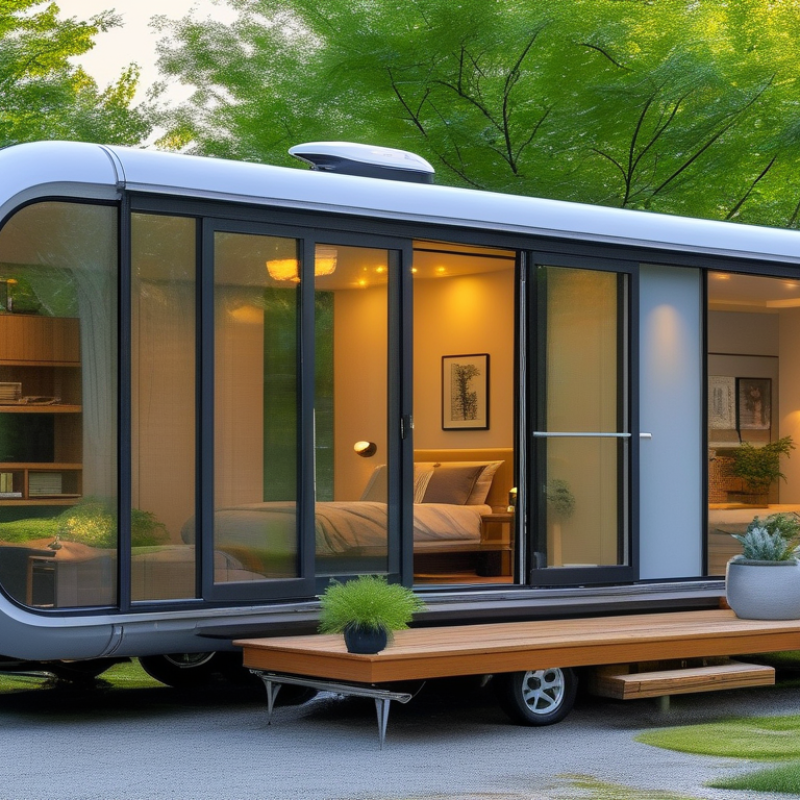
Movable tiny homes offer a unique solution for sustainable living. These homes create a minimal footprint. They use fewer resources during construction and require less energy for heating and cooling. A smaller space encourages mindful consumption and limits waste.
Choosing a movable tiny home allows for flexibility and versatility. Homeowners can easily relocate their homes, reducing the need for new land development. This aspect helps preserve natural environments and wildlife habitats. With solar panels and rainwater harvesting systems, these homes often have a lower environmental impact.
However, living in a tiny home can pose challenges. Storage space is limited, which means residents must prioritize their belongings. This can lead to tough decisions about what to keep and what to let go. Moreover, mobility comes with its own set of obstacles, like finding suitable land and zoning regulations. Embracing a movable tiny home requires reflection on personal values and lifestyle choices. Balancing sustainability and minimalism is key to making the most of this living arrangement.
Movable tiny homes present numerous design features that enhance sustainability. One significant aspect is their smaller footprint. According to a report by the American Tiny House Association, tiny homes consume less land and resources. A typical tiny home is about 400 square feet, compared to an average American home at over 2,600 square feet. This drastic difference reduces energy consumption significantly.
Energy-efficient materials are another hallmark of sustainable tiny homes. Many tiny homes utilize reclaimed wood and eco-friendly insulation. Reports indicate that homes built with sustainable materials can reduce carbon footprints by up to 50%. Moreover, incorporating solar panels enables off-grid living. This adds to the sustainability of these tiny homes, allowing residents to generate their own electricity.
Water management systems also play a crucial role. Many tiny homes incorporate rainwater harvesting systems and composting toilets. This not only conserves water but can also lessen waste output. However, some residents find it challenging to adapt to these systems. They require a commitment to change long-held habits. Flexibility and willingness to learn are vital in maximizing the benefits of movable tiny homes—ensuring that they contribute effectively to a sustainable lifestyle.
Movable tiny homes offer a unique take on affordable living. They drastically reduce costs compared to traditional housing. With a lower initial investment, buyers can save money while minimizing their environmental footprint. These homes often come with energy-efficient appliances and materials. This leads to ongoing savings on utilities as well.
Living in a movable tiny home can sometimes feel restrictive. Space is limited, and you must prioritize your belongings. However, many find this liberating. The minimalist lifestyle helps to declutter both home and mind. Although the upfront costs are lower, maintenance is crucial. Regular inspections and care ensure longevity, which can balance out the expenses.
Financing options can be less intimidating than with traditional houses. Many banks offer favorable loans for tiny homes. Yet, zoning laws may present challenges. Each location has its own regulations on where you can park a movable home. All these factors cause potential buyers to reflect on their choices. The overall benefits often outweigh these difficulties for those committed to a sustainable lifestyle.
Living in movable tiny homes fosters a unique community aspect that traditional housing often lacks. Residents share their journeys and create bonds over similar values like sustainability. According to a report by the Tiny Home Industry Association, around 30% of tiny home dwellers prioritize community living. This sense of belonging enhances emotional well-being.
The lifestyle in movable tiny homes encourages flexibility. Many residents travel while maintaining a minimalist lifestyle. This mobility can be liberating but also brings challenges. The need for reliable infrastructure, such as access to clean water and waste disposal, cannot be overlooked. Moreover, moving frequently can make it hard to maintain friendships.
Additionally, most tiny home residents face zoning regulations that complicate communal living. While they seek freedom, local laws often limit their options. A 2021 survey indicated that 40% of tiny home owners expressed frustration with these restrictions. This tension reminds individuals of the complexities involved in balancing freedom with regulatory realities.
Movable tiny homes offer a unique solution for sustainable living. Their impact on local ecosystems is significant. These homes require less land, reducing the footprint on the environment. They can be placed in various locations, minimizing disruption to natural habitats. By staying mobile, tiny homes can avoid overdevelopment in any single area, preserving local ecosystems.
Tips: When choosing a site for a movable tiny home, research local wildlife and plant life. Avoid areas that have been heavily developed. Seek locations that promote biodiversity, ensuring a balance with nature.
Moreover, movable tiny homes use fewer resources in construction. They often incorporate eco-friendly materials and designs. This reduces waste and lowers the carbon footprint. However, consideration is needed regarding waste disposal and resource management. Not every area has the infrastructure for tiny home communities, which can lead to challenges.
Tips: Implement composting systems or greywater recycling to minimize environmental impact. Always check local laws regarding waste management. Being informed can help ensure that your tiny living experience is truly sustainable.
| Parameter | Movable Tiny Homes | Traditional Homes |
|---|---|---|
| Land Use | Minimal, requires less land | Substantial, more land and resources |
| Carbon Footprint | Lower due to reduced materials | Higher from construction and maintenance |
| Mobility | Easily relocated | Site-bound |
| Energy Efficiency | Higher efficiency with modern designs | Varies widely, often lower |
| Waste Production | Less waste during construction | More waste generated |
| Local Ecosystem Impact | Minimal disturbance | Significant disturbance and habitat loss |
: Movable tiny homes create a minimal ecological footprint and use fewer resources during construction.
These homes often use energy-efficient materials and include solar panels, promoting off-grid living.
Limited storage space forces residents to prioritize belongings, leading to tough decisions.
Many residents share values like sustainability, fostering connections and enhancing emotional well-being.
Finding suitable land and dealing with zoning regulations can complicate the living experience.
Rainwater harvesting and composting toilets conserve water and reduce waste, but they require lifestyle adjustments.
Residents can travel and maintain a minimalist lifestyle, though it may affect relationships.
Many feel limited by zoning laws, which restrict their freedom and communal living options.
Movable Tiny Homes offer a unique solution for sustainable living by providing numerous benefits that promote environmental responsibility. These homes are designed with sustainability in mind, featuring energy-efficient materials and systems that minimize their ecological footprint. The cost-effectiveness of movable tiny homes compared to traditional housing makes them an attractive option for many, allowing individuals to reduce their expenses while adopting a more eco-friendly lifestyle.
In addition to their physical attributes, movable tiny homes foster a sense of community and a lifestyle focused on simplicity and minimalism. Residents often find themselves part of a network of like-minded individuals who prioritize sustainable practices. Furthermore, the environmental impact of these homes on local ecosystems is generally lower than that of larger, permanent structures, making them a favorable option for those looking to live harmoniously with nature. Overall, Movable Tiny Homes represent a forward-thinking approach to living sustainably and harmoniously within our environment.

House Modular Building