Creating a dream home within the Tiny House Nation movement is a captivating challenge. According to expert Zack Giffin, “Tiny homes promote a simpler lifestyle.” His insight underscores the essence of this growing trend. The allure of tiny homes lies not just in their size but also in their potential to redefine our understanding of space and comfort.
In the Tiny House Nation, each square foot counts. Thoughtful design is crucial. Many opt for multifunctional furniture to maximize utility. Imagine a couch that transforms into a bed or a table that folds away. These elements enhance functionality while maintaining aesthetic appeal. However, this minimalist approach requires a shift in mindset. One must carefully evaluate what truly matters in life and in home design.
Reflecting on the Tiny House Nation can spark both excitement and uncertainty. Amidst the innovation, some may feel the constraints of smaller living spaces. The journey to a tiny home can bring doubts about storage, comfort, or even community. Yet, embracing these challenges often leads to fulfilling solutions. A tiny house can become a sanctuary with creativity and purpose.
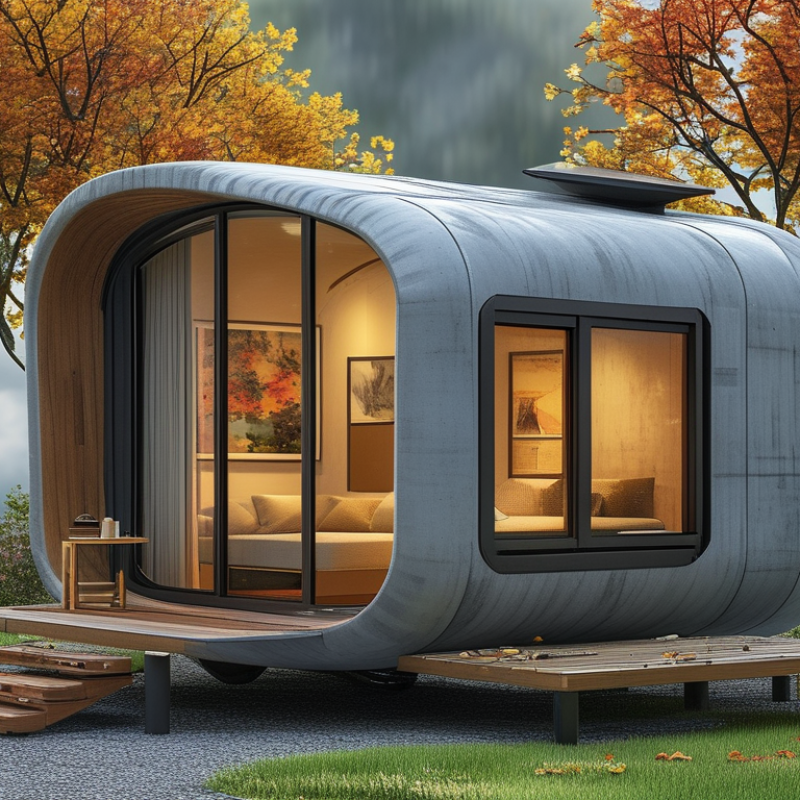
The tiny house movement is more than a trend; it reflects a lifestyle change. People are increasingly drawn to smaller homes that emphasize simplicity and functionality. A tiny house is typically under 400 square feet, offering a minimalist approach that can be both freeing and challenging. It encourages creativity in design, maximizing every inch of space. Consider incorporating multi-purpose furniture, such as a sofa that converts into a bed. The goal is to blend comfort with practicality.
Understanding the concept of a tiny house means embracing sustainability. It often involves reducing one's carbon footprint and consuming fewer resources. Building a tiny home can also encourage skills like DIY projects and eco-friendly practices. However, the journey is not without obstacles. Downsizing possessions can be difficult emotionally. Adapting to limited space requires thoughtful organization and a shift in mindset.
Designing a tiny house involves many decisions. Each choice, from layout to materials, impacts overall efficiency. It’s crucial to consider long-term living needs. Owners may need to revisit their choices as life changes. This reflection strengthens the connection to home and lifestyle. Overall, the tiny house dream is about more than physical space; it’s about cultivating a balanced life.
Designing a tiny home requires careful planning and consideration. The layout is crucial. Open spaces help maintain an airy feel. Multi-functional furniture, like foldable tables and sofa beds, provides versatility. Each inch should serve a purpose. This approach saves space and enhances functionality.
Natural light plays an essential role in tiny homes. Large windows create a sense of openness. Skylights can also brighten darker corners. However, it’s important to balance light with privacy. You might consider frosted glass or window treatments that allow light while blocking views.
Storage solutions are another vital element. Built-in shelves and under-bed storage maximize limited space. Creative hidden compartments can offer extra room for belongings. But it’s easy to over-clutter. Regular decluttering is essential for maintaining a peaceful environment. Reflect on what you truly need and let go of the rest.
Choosing the right location for your tiny house is crucial. It determines your lifestyle, accessibility, and overall happiness. According to a 2022 survey by the American Tiny House Association, over 70% of tiny homeowners prioritize location in their planning. This factor influences everything from community engagement to natural surroundings.
When selecting a site, consider climate, access to amenities, and proximity to nature. If you prefer a quiet life, seek out remote areas with beautiful landscapes. A report from the National Association of Realtors indicates that 65% of homebuyers value access to parks and recreational areas. This is especially important for tiny homeowners, who often embrace an outdoor lifestyle.
Tip: Research zoning laws in your desired area. This ensures your tiny home complies with local regulations. Many municipalities have specific requirements for tiny houses, which can affect placement and utilities.
Also, think about the long-term implications. Some tiny house dwellers regret not choosing locations with better infrastructure. Reliable internet, for example, has become a necessity for remote work. Balancing charm and practicality is key.
Building a tiny house is an exciting journey, especially when focusing on sustainability. The choice of materials plays a significant role in this process. Use reclaimed wood for walls and floors. It adds character and reduces waste. Bamboo is another excellent option. It's sturdy, renewable, and grows rapidly. These choices reflect a commitment to eco-friendliness.
Consider insulation that minimizes energy consumption. Sheep's wool or recycled denim are great natural insulators. Not only do these materials keep you warm, but they also help reduce your carbon footprint. Incorporate solar panels to harness renewable energy. This practice can power your tiny home while being gentle on the planet.
Adopting eco-friendly practices during construction can be challenging. For instance, sourcing materials locally can sometimes be hard. However, it strengthens community ties. It’s essential to reflect on these challenges. Each choice impacts the environment. Strive for balance between aesthetics and sustainability. Your tiny home can be both beautiful and environmentally conscious.
In a tiny house, maximizing space is crucial. Clever storage solutions can make a big difference. Utilize vertical space by installing shelves above doorways. These shelves can hold books or decorative items. Another smart idea is using multi-functional furniture. Think beds with drawers or tables that fold away. This approach not only saves space but also adds flexibility to your home.
Consider hidden storage options as well. Build benches with storage compartments inside. This provides seating while keeping items out of sight. Using baskets or bins can also help organize smaller items. It’s essential to label these containers. This will ensure easy access to what you need. However, be mindful of clutter. Too many items can negate your efforts to create an open space.
Reflecting on personal needs is equally important. What do you use most often? Prioritize these items in your design. The balance of aesthetics and functionality can be challenging. Strive for a layout that feels spacious. Test different configurations to see what works best. Remember, in a tiny home, every inch counts. Finding the right storage solutions can transform your living experience.
| Solution | Description | Benefits |
|---|---|---|
| Under-Bed Storage | Utilize the space under the bed for storage bins or drawers. | Maximizes sleeping area; keeps items out of sight. |
| Foldable Furniture | Incorporate tables and chairs that can be folded and stored. | Saves space when not in use; offers flexibility. |
| Vertical Storage | Install shelves and racks that go up to the ceiling. | Utilizes wall space effectively; keeps floor clear. |
| Multi-Functional Spaces | Design areas that serve multiple functions (e.g., a dining table that also acts as a workspace). | Enhances usability; reduces need for additional furniture. |
| Storage Ottomans | Use ottomans that can be opened for extra storage inside. | Combines seating with storage; versatile decor element. |
: Layout is crucial. Open spaces help maintain an airy feel and enhance functionality.
Use large windows and skylights. Balance light with privacy using frosted glass or window treatments.
Built-in shelves and under-bed storage maximize space. Hidden compartments also provide extra room.
Regular decluttering is essential. Reflect on what you truly need and let go of the rest.
Reclaimed wood and bamboo are great choices. They reduce waste and are eco-friendly.
Use natural insulation like sheep's wool or recycled denim. Consider adding solar panels for renewable energy.
Sourcing materials locally can be tough. However, it builds community ties and supports local businesses.
Yes, you can balance aesthetics and sustainability. Each choice impacts the environment, so reflect carefully.
Foldable tables and sofa beds add versatility. Every inch should serve a purpose to save space.
Not always. It requires regular decluttering and self-reflection on your needs to keep it serene.
Creating a Tiny House Nation dream home involves understanding the fundamentals of tiny house living and designing a space that is both functional and personalized. Key elements to consider include efficient layouts, sustainable materials, and eco-friendly practices that promote a minimalistic lifestyle. Choosing the right location is crucial, as it should complement the tiny home’s design while providing accessibility and community connection.
Moreover, maximizing space through clever storage solutions is essential in tiny homes, allowing for organization while minimizing clutter. By integrating these concepts, one can effectively bring the Tiny House Nation dream to life, creating a cozy, efficient, and environmentally-friendly dwelling that embraces the simplicity of living small.

House Modular Building