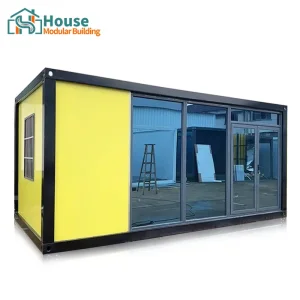
In the wake of shifting macroeconomic dynamics, labor deficits, and skyrocketing traditional construction costs, the global building industry is undergoing a structural transformation. At the vanguard of this shift is the deployment of custom affordable shipping container homes and industrialized modular building configurations. No longer relegated to niche off-grid installations, container-based structures are now critical assets for institutional developers, hospitality giants, defense contractors, and workforce housing operators worldwide.
By shifting up to 90% of the building processes off-site into controlled factory conditions, developers can slash project cycle times by 40% to 50% while mitigating the unpredictability of localized weather, regional trade shortages, and volatile on-site material waste. This whitepaper analyzes the manufacturing landscape, engineering parameters, supply chain advantages, and localized implementation protocols of advanced prefabricated and modified container solutions.
China remains the undisputed epicenter of global structural steel fabrication and container engineering. Leveraging deep vertical integration, state-of-the-art automated welding technologies, and proximity to massive bulk container shipping terminals, Chinese suppliers provide unmatched unit economics and customization capabilities at scale.
By sourcing directly from advanced production facilities in China, international clients bypass multiple layers of distributors, gaining direct access to technical teams that can tailor core structural frameworks to localized building codes. The convergence of metallurgical expertise, mass-scale structural insulation manufacturing, and optimized global logistics networks ensures that Chinese factories can deliver high-volume orders with consistency and speed.
We maintain production bases in both Northern and Southern China. This strategically diversifies our shipping lanes, optimizes freight routing for different target continents, and ensures uninterrupted operation throughout seasonal cycles.
From primary Q235 and Q355 structural steel members to double-glazed tempered low-E glass facade panels, our material inputs are verified via mechanical testing and certified mill reports before fabrication commences.
Our solutions span design, structural analysis, load path calculation, interior architectural finishes, mechanical, electrical, plumbing (MEP) integration, and ocean cargo optimization.
High-performance container homes are built to withstand extreme environmental forces. Our modular structural systems utilize heavy-duty corrugated Corten steel (where applicable) and reinforced hot-dipped galvanized light steel framing components, offering excellent load paths and resistance to seismic and wind events.
| Engineering Metric | Standard Specification | Advanced Option / Custom upgrade |
|---|---|---|
| Primary Steel Frame | Q235B Hot-Dipped Galvanized Steel (2.0mm - 4.0mm profiles) | Q355B High-Tensile Structural Steel with Anti-Corrosion Coating |
| Wall & Roof Insulation | 50mm - 75mm EPS / Glass Wool sandwich panels (U-Value ≤ 0.45 W/m²K) | 100mm - 150mm High-Density Polyurethane (PU) or Rockwool panels (U-Value ≤ 0.22 W/m²K) |
| Glass Facades / Glazing | Double-pane tempered glass (5mm + 9A + 5mm) | Argon-filled Low-E laminated safety glass (6mm + 12Ar + 6mm) |
| Wind Load Rating | Class 10 Typhoon resistance (up to 102 km/h) | Class 12 Hurricane resistance (up to 150+ km/h structural reinforcement) |
| Seismic Acceleration | Grade 7 Seismic design standard | Grade 8-9 Seismic zones structural reinforcement with corner castings |
| Subfloor System | 18mm Fiber Cement board with water-resistant laminate or PVC flooring | Marine-grade structural plywood overlay with commercial vinyl or engineered wood |
Prefabricated modular components are adaptable to a wide range of use cases. Below, we examine the typical structural formats utilized across international corporate, government, and commercial sectors.
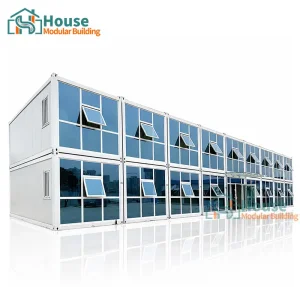
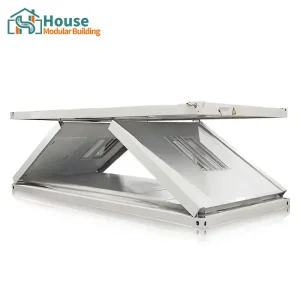
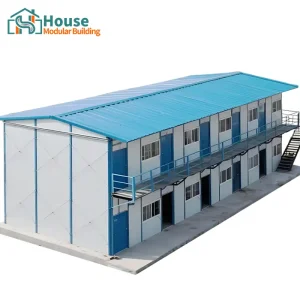
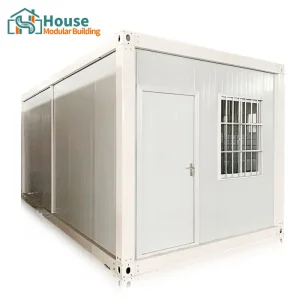
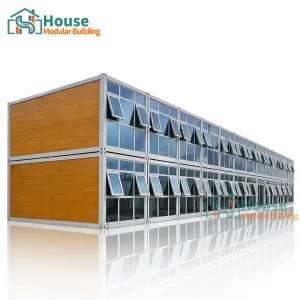
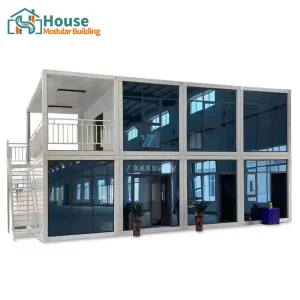
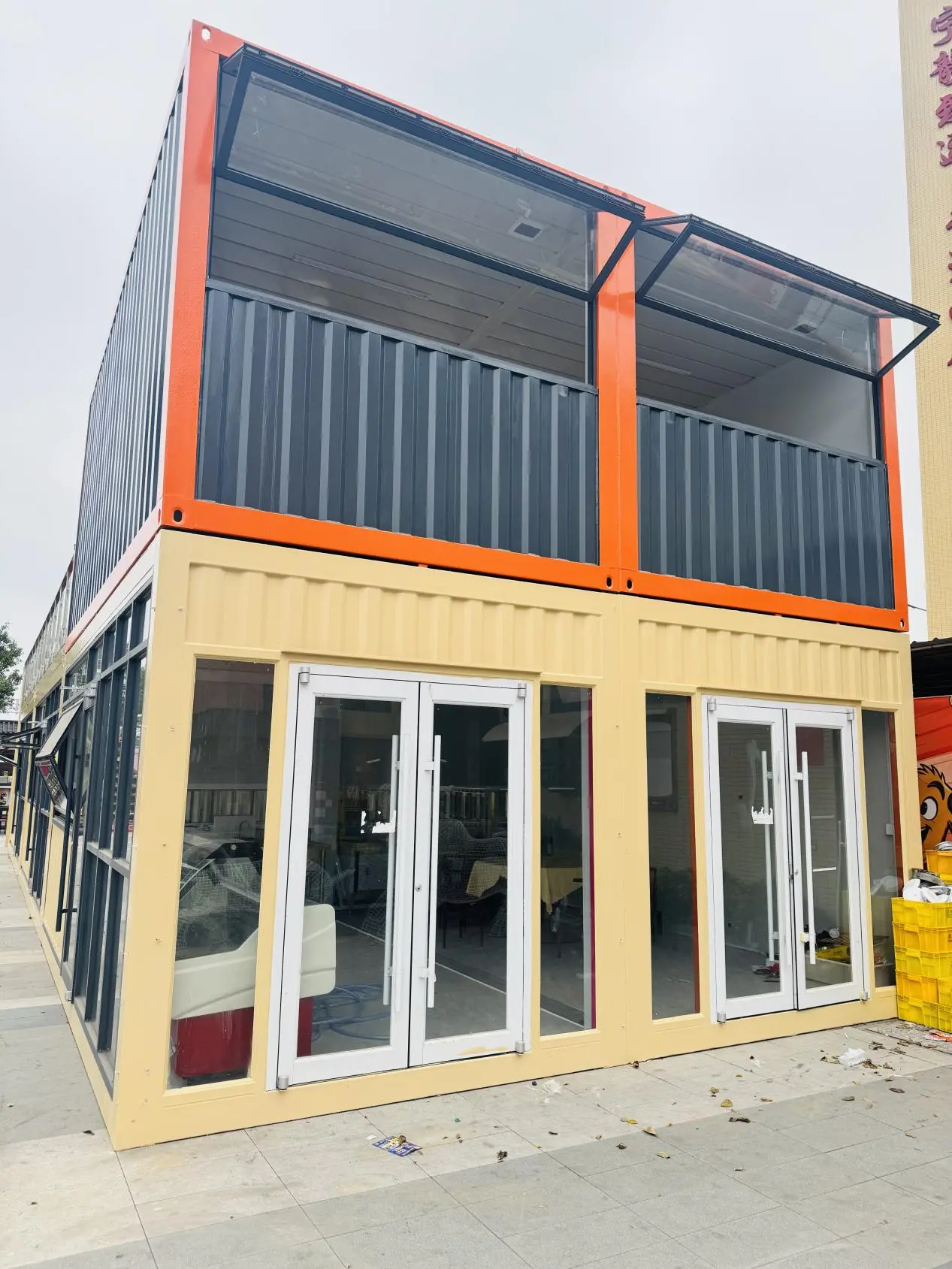
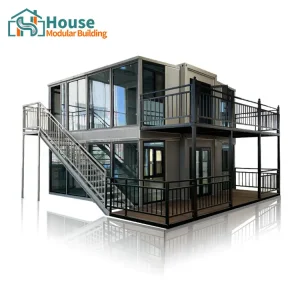
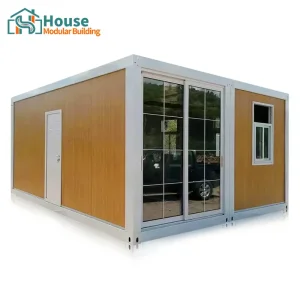
For remote mining projects, energy exploration camps, and large infrastructure sites, quick-assembly flat-pack container units provide scalable, insulated housing blocks. These systems can be stacked up to three stories high and configured with communal dining facilities, recreational halls, and laundry hubs.
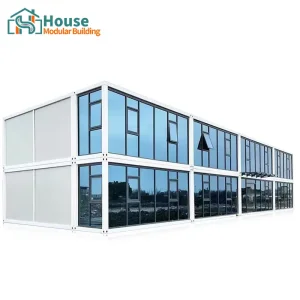
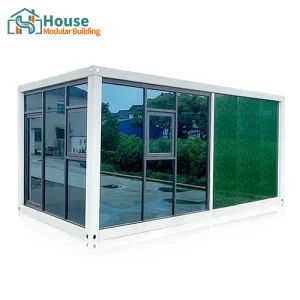
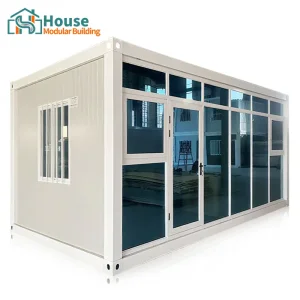
High-end developers use custom glass curtain-wall containers to build modern eco-lodges and luxury retreat cottages. Integrating dual-layer glass facades allows these modules to offer expansive views while maintaining the structural strength needed for coastal or mountainous terrains.
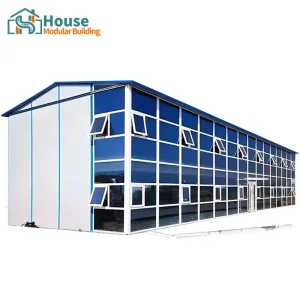
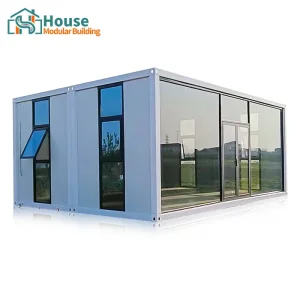
Rapidly deployable glass-walled offices, executive briefing rooms, and temporary sales centers provide a professional, air-conditioned environment. These modules can be disassembled, relocated, and redeployed as corporate needs evolve.
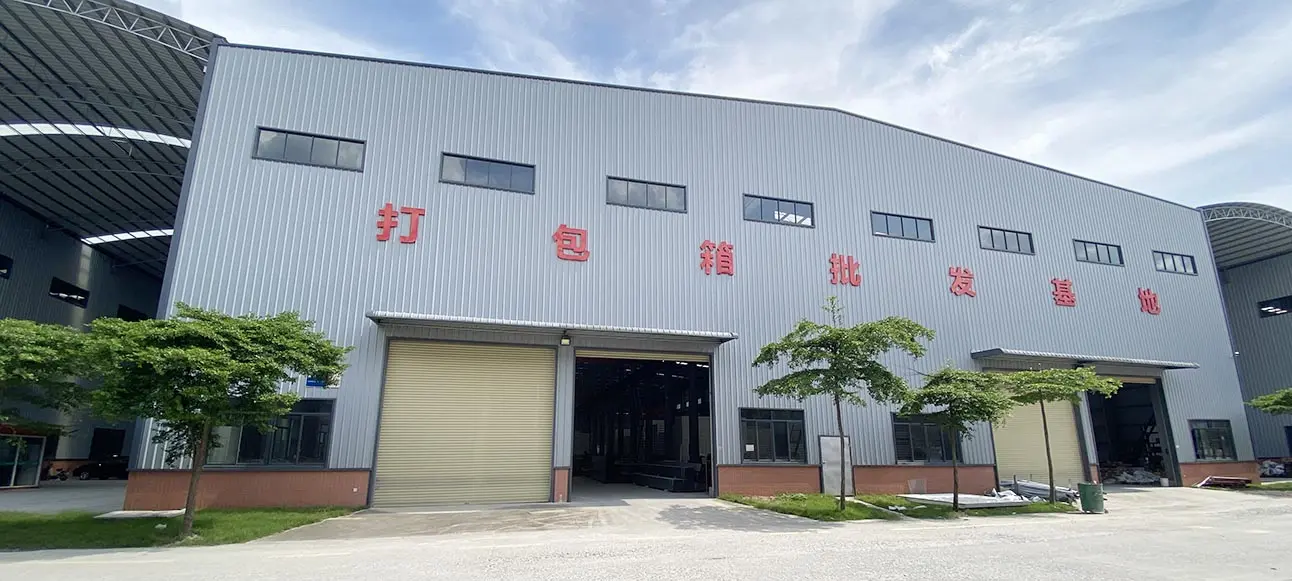
House Modular Building has rich professional knowledge and experience in the production of container houses and prefabricated houses. The company has a design team to provide solution design for customers' needs, a sales team to follow up and serve customers' order requirements, and the factory guarantees product delivery with quality and production efficiency.
In order to better serve customers and demonstrate the company's production and delivery capabilities, we have established production bases in both the north and south of China to provide efficient delivery capabilities to customers with different national needs. We support OEM and ODM operations in our factory for different countries, and provide distributors with a mutually beneficial partnership.
For a long time, with the evaluation and recognition of customer satisfaction, our company team has comprehensive service capabilities and business technology coverage, starting from the production of raw materials, to the construction and construction of foundations, and then to the construction and operation of service systems.
House Modular is a production oriented enterprise. The company has a large production base, and the factory has a senior professional independent research and development team. The factory currently has more than 200 employees, among which technical personnel such as shell research and development account for more than 30% of the total number of employees; More than 60% of the employees have over 5 years of experience in the shell production industry, and the core members of the team have worked in the building materials service field for more than 10 years. As a supplier of container houses, we must have a strong team to serve customers and solve their demand problems.
Below we address common questions from procurement managers, engineering firms, and distributors regarding shipping container home configurations, compliance, and logistics.
Compliance begins with engineering documentation. We provide structural drawings, load calculation metrics, and material certificates (e.g., steel grade certifications, fire ratings for sandwich insulation panels). Most regional authorities require foundation design, localized wind-load calculations, and electrical/plumbing configurations that match regional safety standards. Our design team coordinates with your local engineers to provide the necessary technical data sheets to support your permitting process.
For colder climates, we offer high-density polyurethane (PU) foam and mineral rockwool cores. Standard EPS insulation is suitable for mild climates, but colder regions benefit from 100mm to 150mm PU panels or double-framed walls that minimize thermal bridging. By combining these insulation cores with argon-filled, double-pane Low-E glass, we can help optimize interior climate control and reduce overall heating and cooling demands.
Corrosion protection is a key factor in the long-term durability of shipping container homes, especially in high-salinity coastal areas. Our steel members undergo hot-dip galvanization (minimum 120g/m² zinc layer) followed by multi-layered electrostatic powder coating or marine-grade polyurethane topcoats. This treatment helps prevent oxidation and extends the life of the structural steel framework.
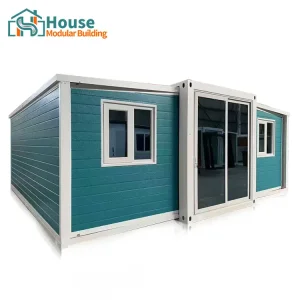
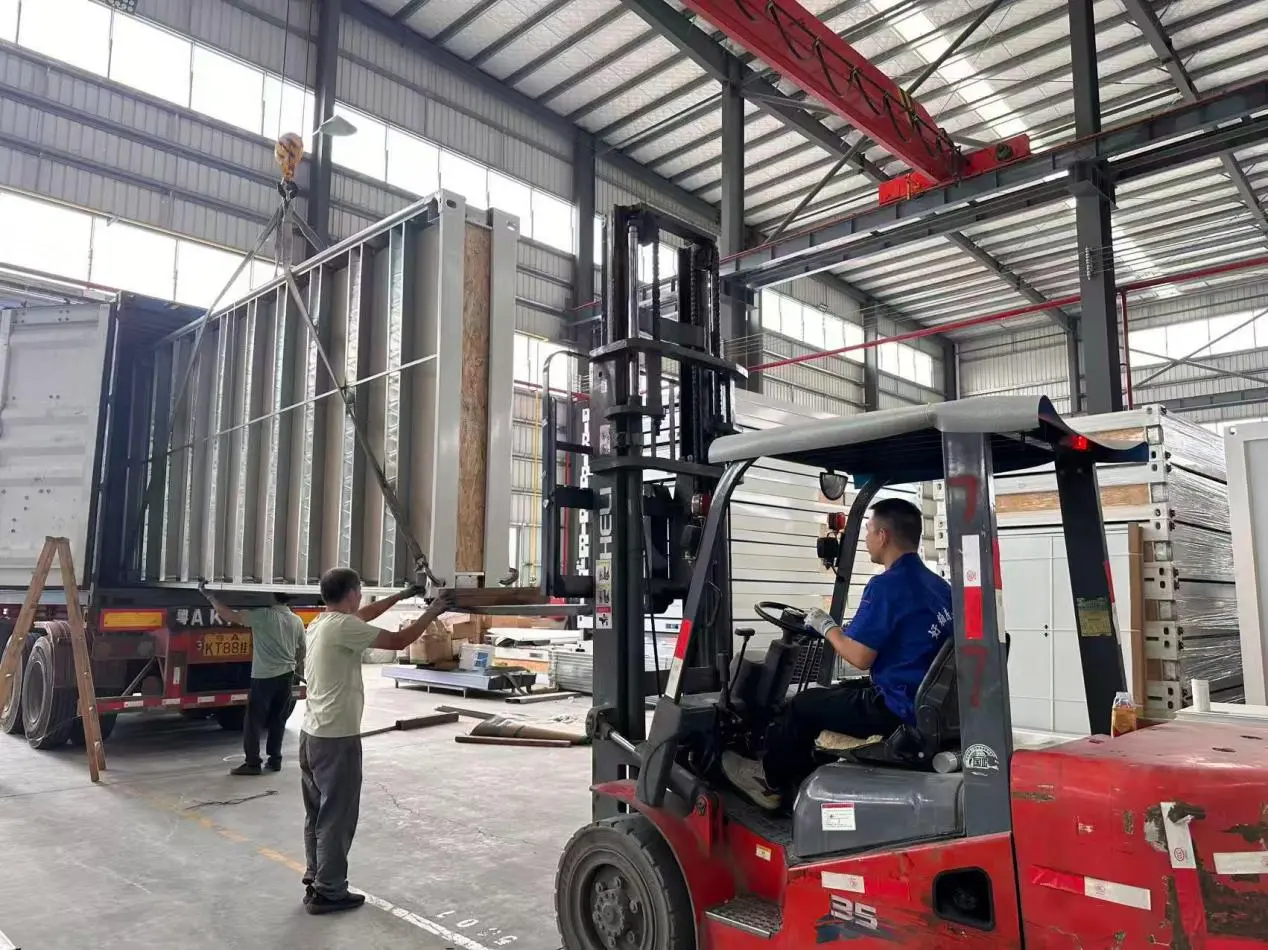
Standard ISO shipping containers are corten steel boxes built for intermodal freight. They require modification (cutting door and window openings) which can alter their structural integrity. Flat-pack modular structures are built from the ground up using custom-engineered steel frames and sandwich panels. This provides greater flexibility in dimensions, faster assembly, and lower initial shipping costs, as up to four flat-pack modules can be shipped in the space of a single standard ISO container.
We work closely with global distributors by offering OEM/ODM services, including customized floor plans, branded components, and regional material selections. Our team coordinates logistics from our northern and southern China bases, optimizing container packing plans to minimize transit damage and manage shipping costs.
 House Modular Building