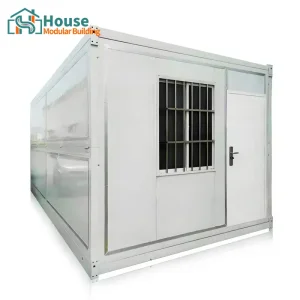
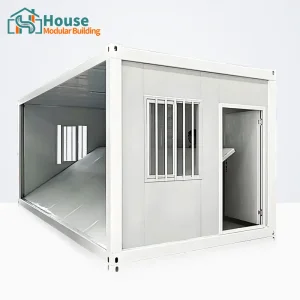
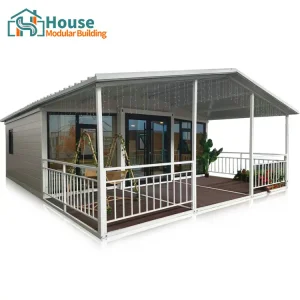
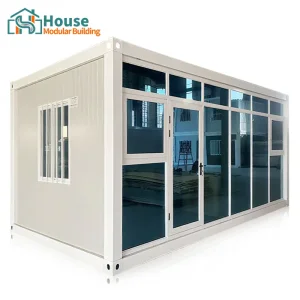
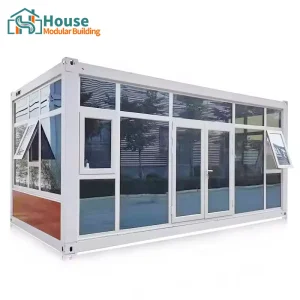
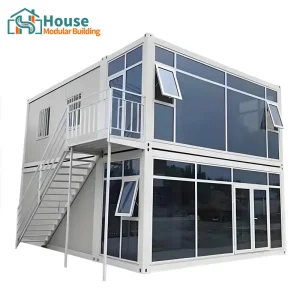
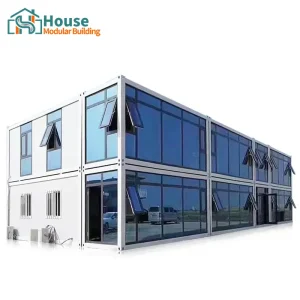
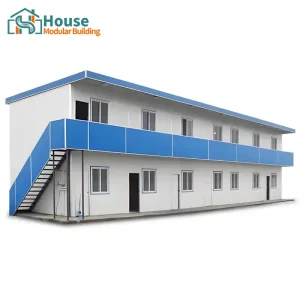
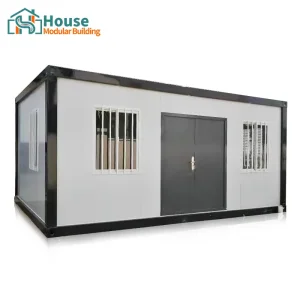
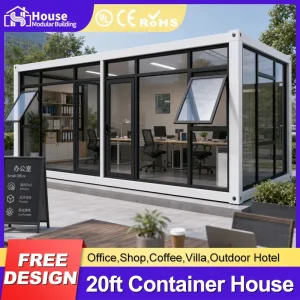
Engineered for high-efficiency setup, these premium configurations address Ethiopia's industrial infrastructure demands.
Ethiopia, as one of Africa’s fastest-growing economies, is undergoing an unprecedented urbanization wave and industrial park development phase (such as Bole Lemi, Hawassa, and Adama Industrial Parks). However, traditional brick-and-mortar construction struggles to keep pace with this expansion. High logistical costs, seasonal disruptions due to the rainy season (Kiremt), fluctuations in standard raw materials, and the landlocked nature of the country pose critical challenges.
Under the national Homegrown Economic Reform Agenda, commercial and infrastructure developers require cost-effective, rapid-deployment buildings. Folding container houses represent the optimal solution, offering dynamic scalability, seismic compliance, and significantly reduced transit volumes compared to standard pre-assembled modular units.
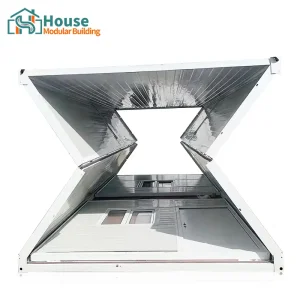
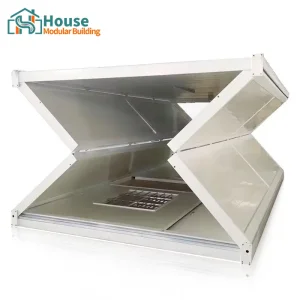
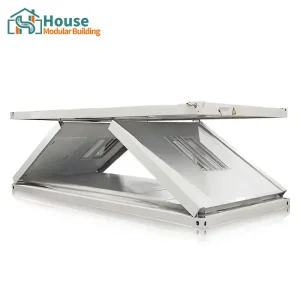
Standard container shipping costs from Chinese ports (Qingdao/Shanghai) to Djibouti Port, followed by rail or road transit via the Mojo Dry Port, can become prohibitive. Our folding container houses are designed to collapse down to just 350mm to 450mm in height when flat-packed. This means a single 40ft High Cube (HQ) shipping container can transport up to 10–12 individual folding modular units, reducing shipping costs per square meter by up to 75%.
A global leader in high-performance prefabricated solutions, serving complex site requirements across East Africa.
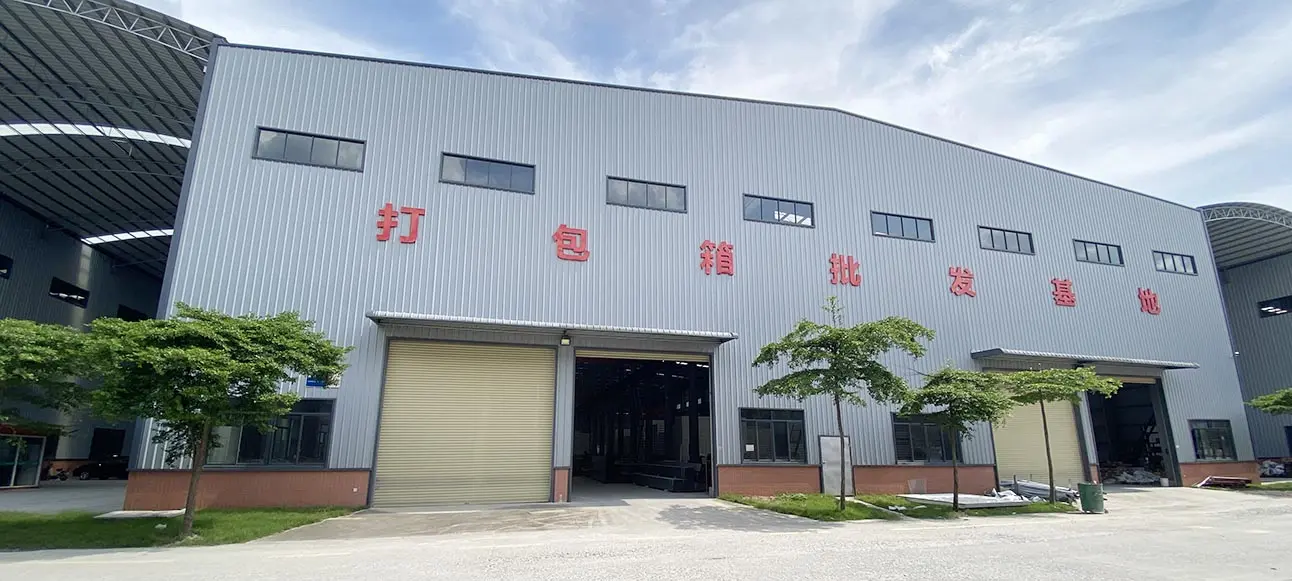
House Modular Building has rich professional knowledge and experience in the production of container houses and prefabricated houses. The company features an elite design team dedicated to developing tailor-made solution designs to address specific site conditions. Supported by a responsive sales team that tracks order requirements and monitors quality, our factories guarantee swift product delivery with high efficiency and robust quality assurance.
To better serve customers and demonstrate the company's production and delivery capabilities, we have established production bases in both the north and south of China. This dual-base strategy allows us to optimize logistics pipelines for different international markets. We support OEM and ODM operations in our factory for various countries, and provide global distributors with a mutually beneficial partnership model.
For a long time, with the evaluation and recognition of customer satisfaction, our company team has comprehensive service capabilities and business technology coverage. This spans from the production of raw materials, to the construction and construction of foundations, and then to the construction and operation of service systems.
House Modular is a production-oriented enterprise. The company has a large production base, and the factory has a senior professional independent research and development team. The factory currently has more than 200 employees, among which technical personnel such as shell research and development account for more than 30% of the total number of employees. More than 60% of the employees have over 5 years of experience in the shell production industry, and the core members of the team have worked in the building materials service field for more than 10 years. As a supplier of container houses, we must have a strong team to serve customers and solve their demand problems.
Ensuring compliance with the Great Rift Valley's seismic patterns, mountainous altitude shifts, and extreme thermal ranges.
Ethiopian geography ranges from the high-altitude plateaus of Addis Ababa (2,350m above sea level) to the scorching lowlands of the Afar Depression. Traditional prefabricated structures often fail due to structural cracking, inadequate thermal insulation, or poor wind resistance. Our units are specifically upgraded to meet these challenges:
Unlike traditional houses that demand thick concrete slabs, our folding container houses can be positioned on simple concrete plinths or steel support pillars. This speeds up construction times and minimizes site preparation costs. In muddy or clay-heavy soils (common in regions like Oromia), steel screw piles or elevated concrete pads keep the structure safe from ground moisture and rainwater runoff.
All structural fasteners, hinges, and sealing strips are manufactured to withstand high UV exposure at high altitudes. Our specialized EPDM sealing gaskets preserve their elasticity across temperature ranges from -10°C to +60°C, ensuring a completely waterproof seal.
Explore our full range of customizable folding and expandable modular units, designed for temporary or permanent deployment.
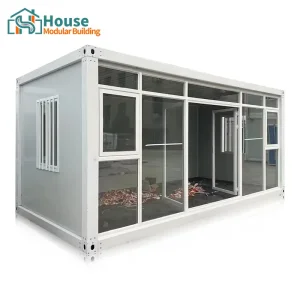
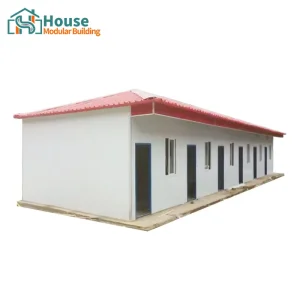
Pioneering energy-efficient, smart modular housing technologies to align with future construction codes in Africa.
With Ethiopia's drive towards green energy, particularly through resources like the Grand Ethiopian Renaissance Dam (GERD), integrating clean energy into buildings is essential. Our research department is currently testing folding units equipped with integrated, thin-film photovoltaic roof panels. These systems charge local battery packs, providing independent off-grid energy for remote field clinics, telecom sites, and mining camps.
Our structures also feature rainwater collection routes. Built-in gutter channels route water to corner support posts, where filtration storage units can connect directly, offering clean water access in remote environments.
Unlike standard concrete buildings that create significant site dust, waste, and soil disruption, folding houses are designed with the circular economy in mind. Over 90% of the materials used—including structural steel, internal panels, and glass modules—are completely recyclable. If a project site changes locations, the houses can be folded back down and transported away, leaving the local ecosystem undisturbed.
Our production pipelines strictly adhere to ISO 9001:2015, ISO 14001:2015, and CE certification standards. This ensures that every container delivered to Ethiopia matches the highest global metrics for structural strength and environmental safety.
Addressing core technical questions from industrial buyers, project managers, and logistics agencies operating in Ethiopia.
With hot-dip galvanized steel frames and weather-resistant external coatings, our houses have a design lifespan of 20 to 25 years. Periodic maintenance, such as checking panel seals and refreshing anti-rust coatings in high-humidity zones, will extend this timeline.
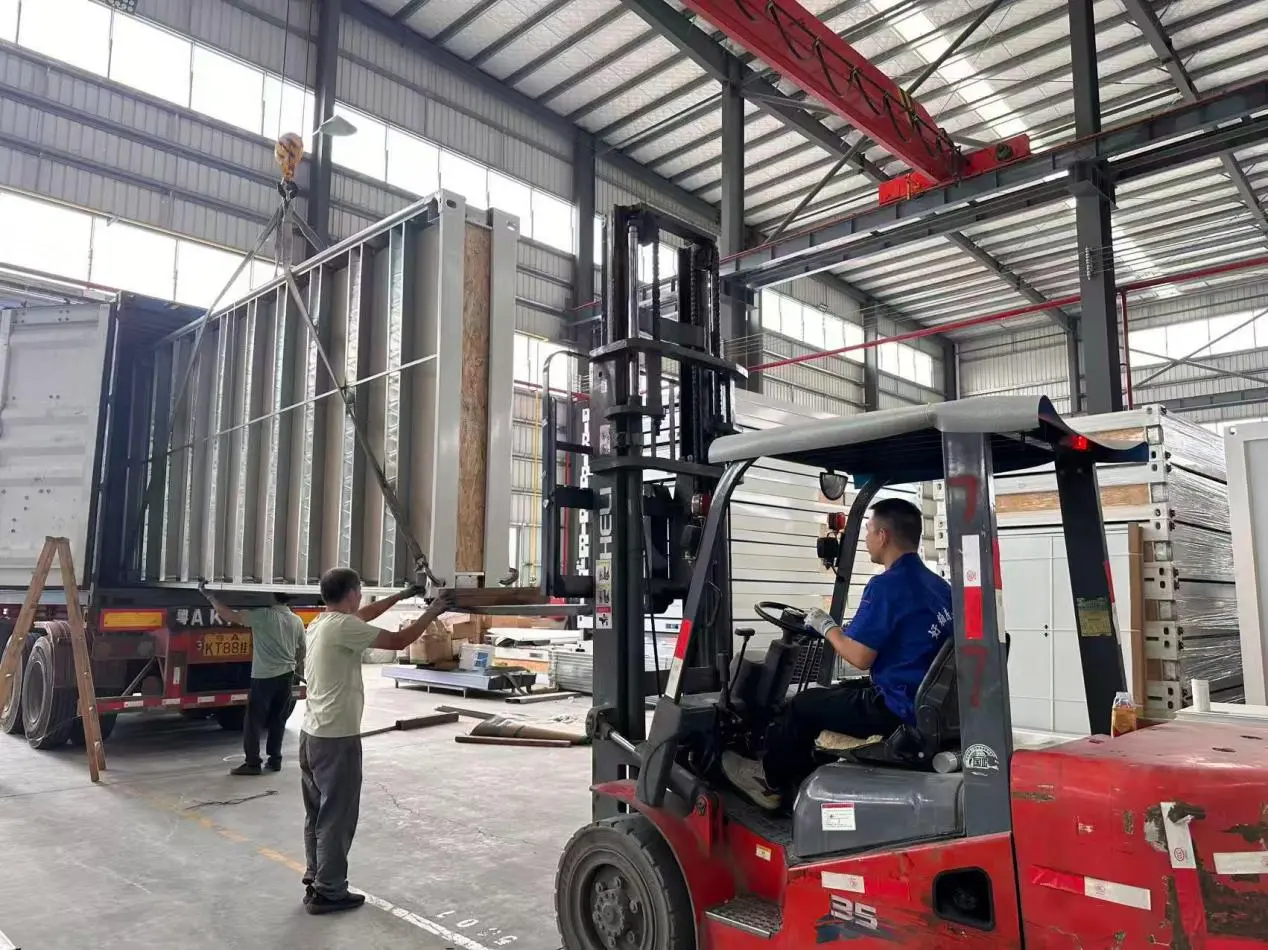
Our products ship directly from our production bases in North and South China to Djibouti Port. From there, containers travel via the Ethio-Djibouti Railway or trucks to dry ports like Mojo, Semera, or Gelan. A single 40ft HQ container can carry up to 10 standard folding container units, significantly lowering shipping overheads compared to traditional modules.
Yes. Our structural designs are tested against wind loads, seismic movements, and roof loads to meet international ISO and local Ethiopian Building Code Standards (EBCS). We supply detailed structural reports and CAD drawings to simplify approvals with local authorities.
A flat, compacted gravel base with simple concrete support pads at each corner is typically sufficient. For uneven terrain or heavy clay soils, we recommend steel screw piles or elevated concrete piers to protect the structure from standing water during rainy seasons.
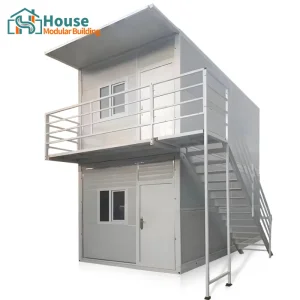
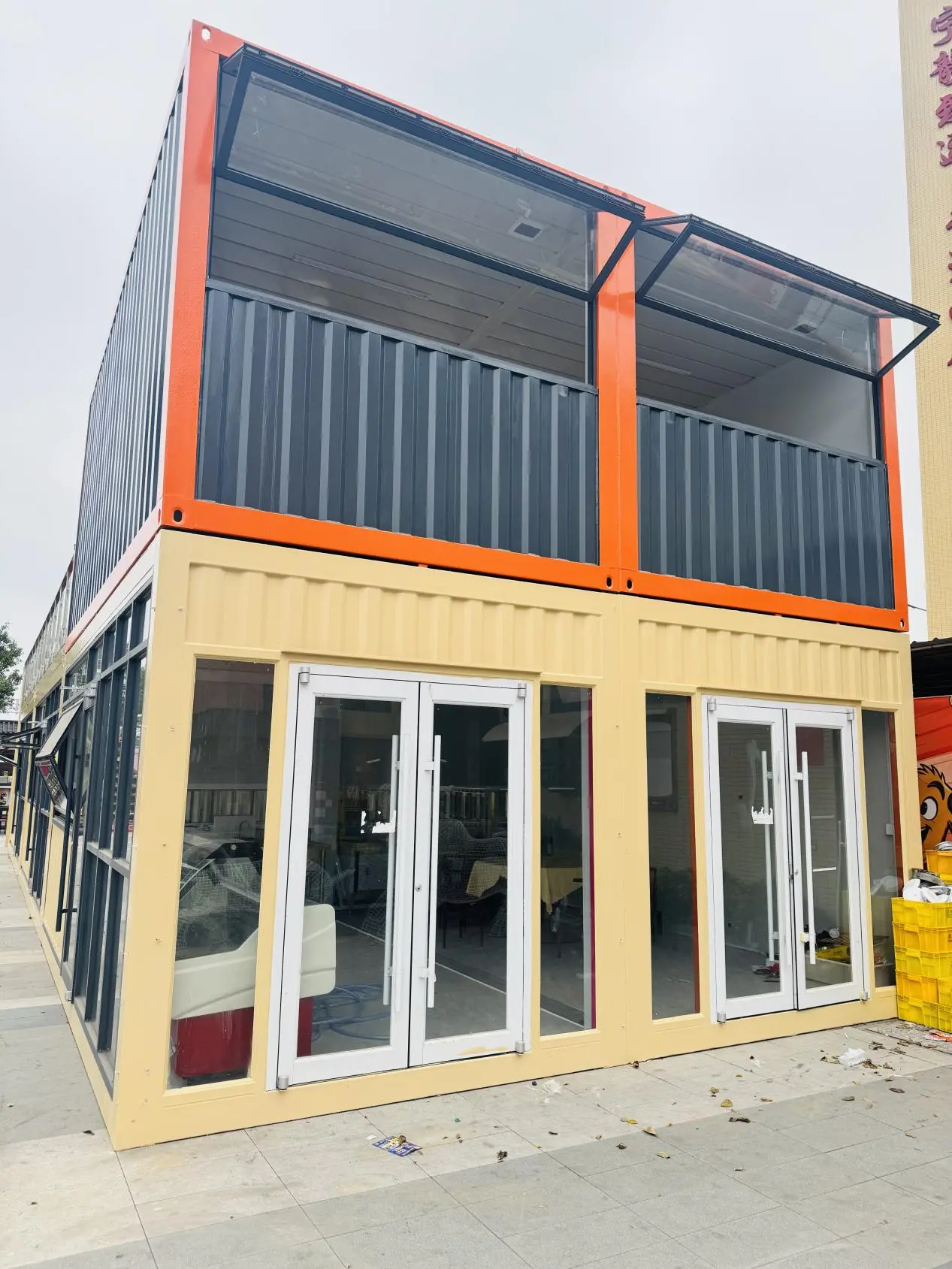
Yes, our modular units are highly versatile. You can stack them to form two-story structures or link them side-by-side by removing the interior wall panels, creating larger open layouts for offices, dorms, or showrooms.
Partner with a reliable manufacturer to access competitive pricing, custom engineering, and reliable logistics support for the Ethiopian market.
Send Inquiry Now House Modular Building