Engineered for high density environments, rapid setup, and structural compliance with strict regional guidelines in Kansai.
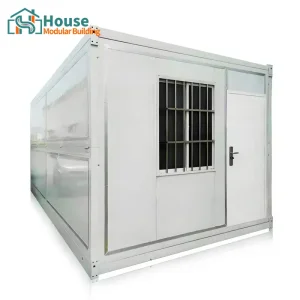
As Osaka enters a new era of urban redevelopment—highlighted by massive infrastructure works around Osaka Bay, Yumeshima Island, and the preparations for Expo 2025—the local construction sector faces unprecedented pressure. Traditional stick-built construction methods are struggling to cope with severe labor shortages, rising material costs, and stringent deadlines.
Folding container houses have transitioned from simple temporary shelters into high-specification engineering components essential for structural agility. In Osaka, where spatial limitations and typhoon paths demand high structural load capacity, these modular structures are designed to be deployed and set up within minutes, mitigating traditional disruption to the city's densely populated wards.
The Kansai region's climate requires modular buildings to sustain extreme typhoons, heavy regional rainfall, and localized temperature fluctuations. Our customized modular container configurations offer reinforced steel framing and structural integrity that align with local standards, providing a secure workspace for key municipal and private development programs.
"Deploying modular systems saves up to 70% in on-site construction timelines compared to traditional steel framing."
B2B procurement professionals must navigate complex regulatory environments, structural certification processes, and supply chain logistics.
For global projects deployed in Japan, compliance with the Building Standards Act (Kenchiku Kijun-hō) is critical. Our container frames are designed to meet structural load standards through high-grade Q235B or Q355B galvanized steel profiles. Each component features double-folded joints, structural wind load resistance ratings of up to 120 km/h, and seismic acceleration durability designed to mitigate Kansai region earthquake activity.
Osaka experiences high humidity in the summer and cold winds in the winter. Our folding container houses are insulated using high-density polyurethane (PU) or fire-resistant rockwool sandwich panels. This composite structure limits thermal bridging and reduces the localized energy requirements of heating and cooling systems. The design ensures compliance with energy-conservation requirements for temporary construction installations.
Our dual-hub manufacturing strategy, split between specialized northern and southern production plants in China, provides high supply-chain resilience. This arrangement ensures that regional industrial disturbances, energy caps, or domestic logistics limits do not disrupt international cargo delivery.
Leveraging Factory 4.0 practices, we deploy automated welding lines, computerized cold-roll steel forming machines, and centralized quality management systems. This reduces labor errors and guarantees precise fitment of hinges, X-configuration folding joints, and structural frame elements. By standardizing manufacturing metrics, our plants achieve the dimensional stability necessary for modular stacking and long-term deployment.
Our proximity to deep-water ports like Qingdao, Shanghai, and Ningbo facilitates efficient maritime routing to the Port of Osaka. Up to 10-12 folded container units can be packed into a single 40ft HQ container, reducing ocean freight costs per unit and optimizing shipping budgets for overseas projects.
A production-oriented enterprise engineered for high delivery standards, product innovation, and comprehensive client service.
House Modular Building has rich professional knowledge and experience in the production of container houses and prefabricated houses. The company has a design team to provide solution design for customers' needs, a sales team to follow up and serve customers' order requirements, and the factory guarantees product delivery with quality and production efficiency.
Our long-term commitment to quality, combined with positive customer feedback, underscores our comprehensive service capabilities and business technology coverage. We manage the entire lifecycle: from the production of raw materials, to the construction and construction of foundations, and finally to the construction and operation of service systems.
As a production-oriented enterprise, House Modular operates a large production base equipped with an independent research and development team. The factory currently has more than 200 employees, among which technical personnel such as shell research and development account for more than 30% of the total staff. More than 60% of the employees have over 5 years of experience in the shell production industry, and the core members of the team have worked in the building materials service field for more than 10 years. As a supplier of container houses, we maintain a strong team to support customers and solve their project challenges.
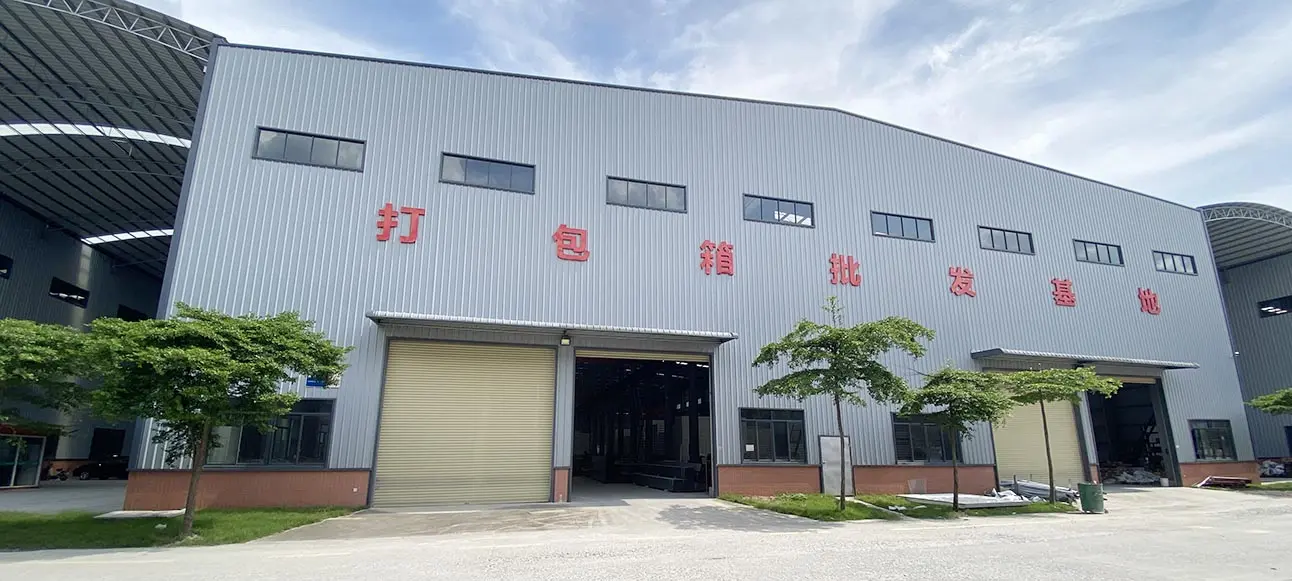
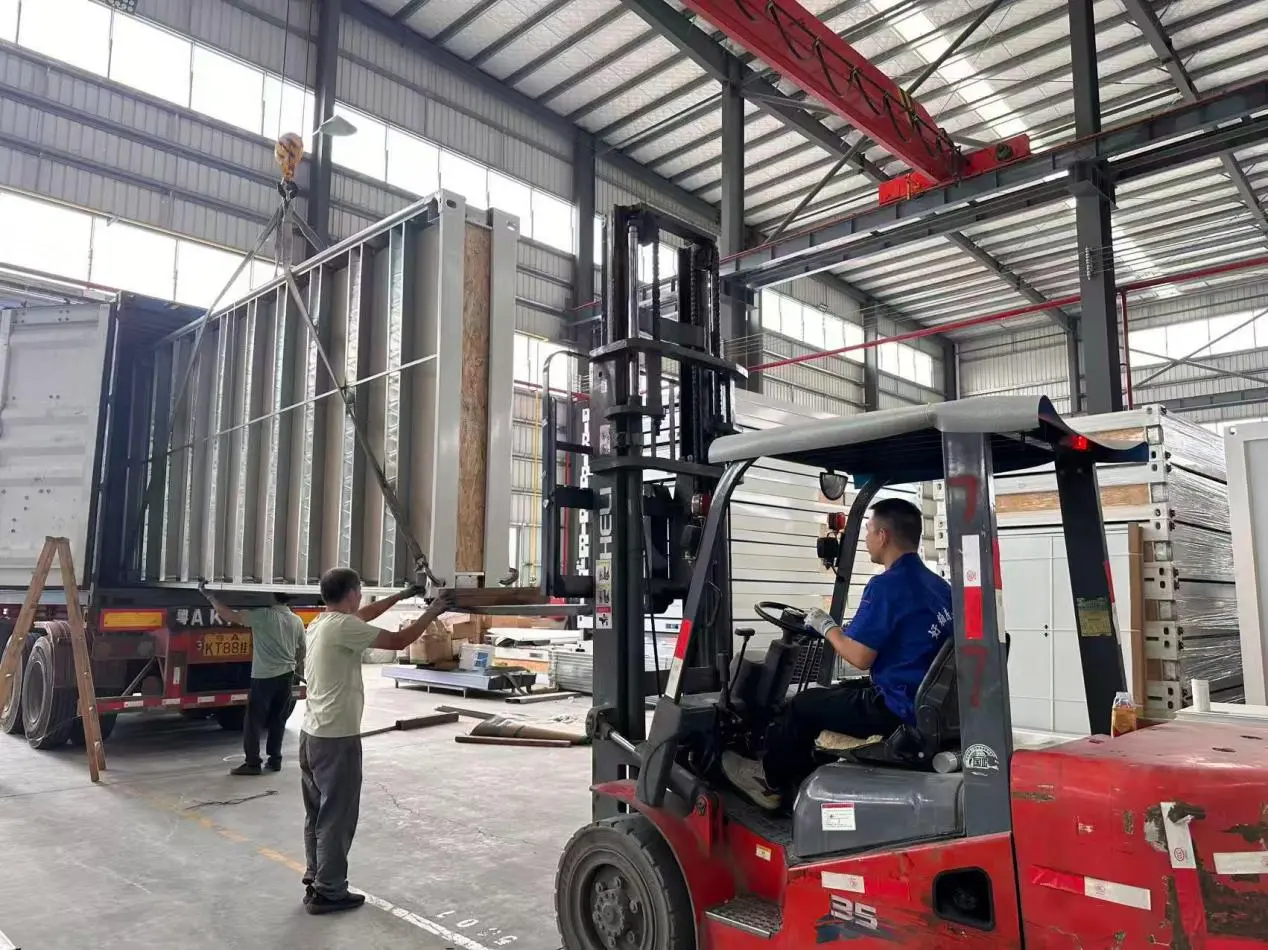
We operate production bases in both the north and south of China to offer efficient delivery options tailored to different international project requirements. We support OEM and ODM operations in our factory and establish mutually beneficial partnerships with distributors worldwide.
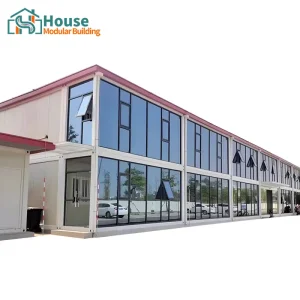
Providing functional, climate-adapted housing and office models for projects across Western Japan.
Our structural frames are engineered for Osaka Bay locations. The heavy-duty steel profiles and reinforced hinges are designed to withstand typhoon conditions typical of coastal Kansai.
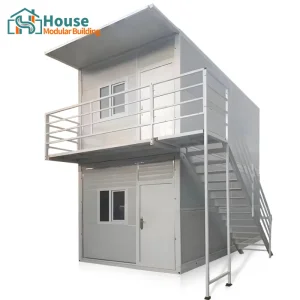
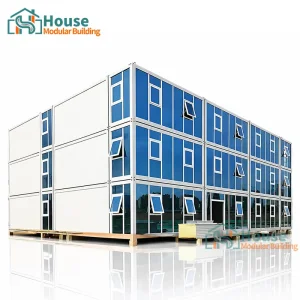
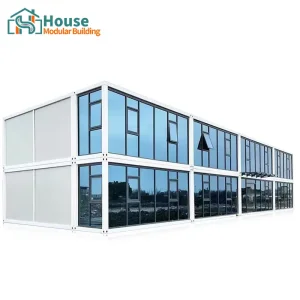
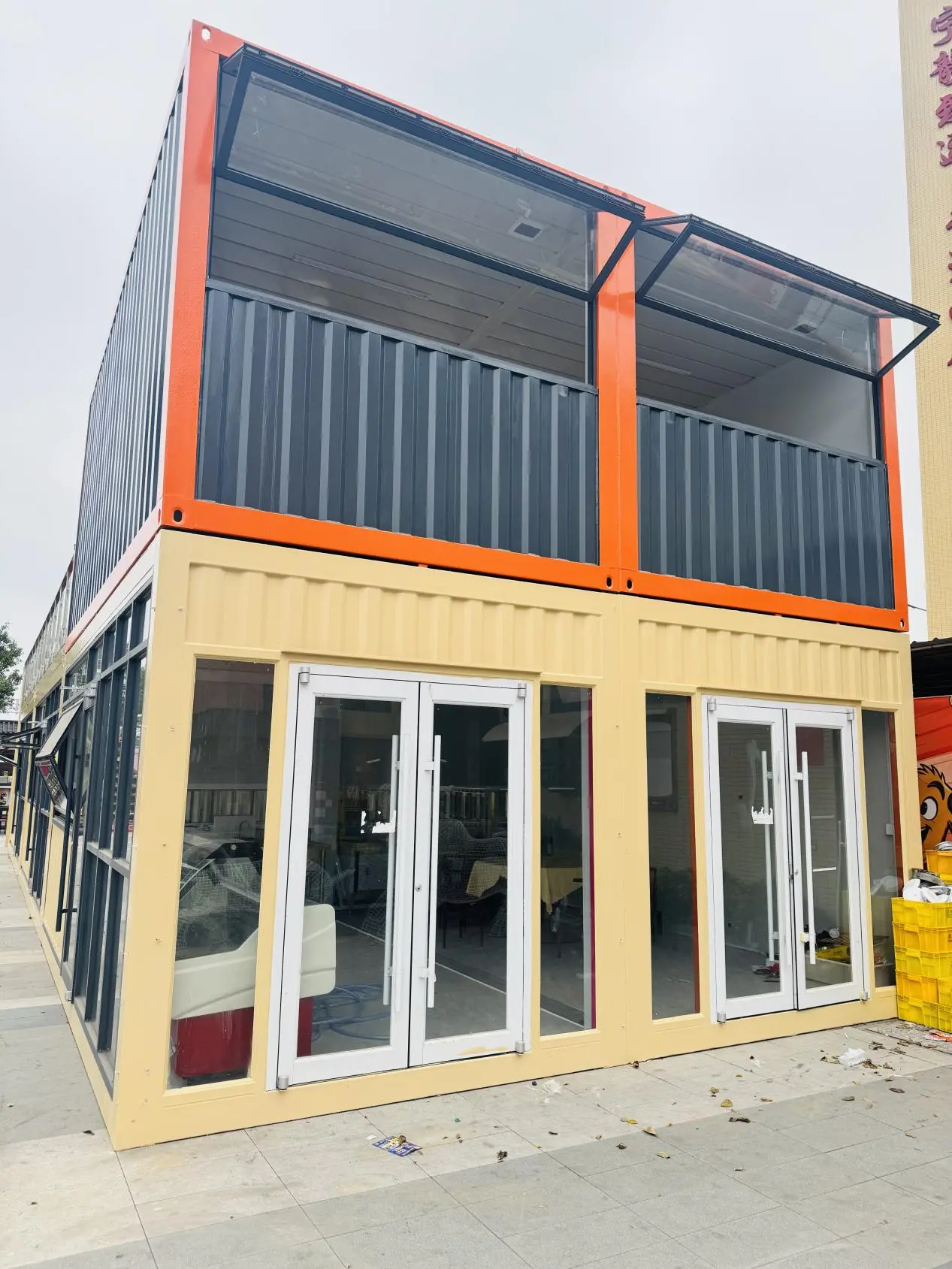
With land premiums in downtown Osaka, our multi-story configurations stack up to three levels high, optimizing ground footprint while maintaining structural compliance.
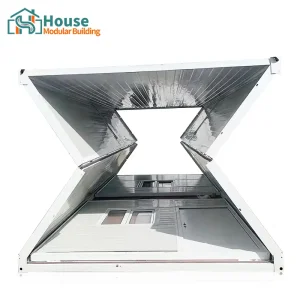
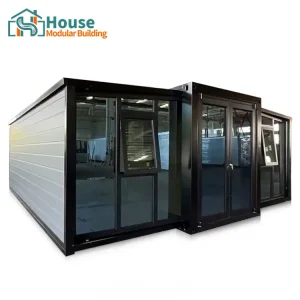
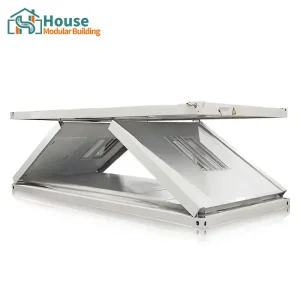
Perfect for temporary construction sites and event zones like Expo 2025. Once projects conclude, units fold down to 45cm thickness for easy relocation and storage.
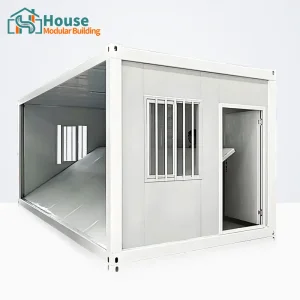
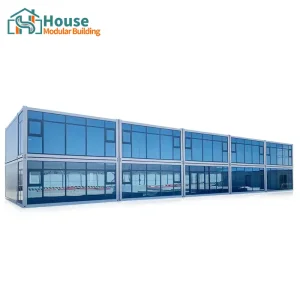
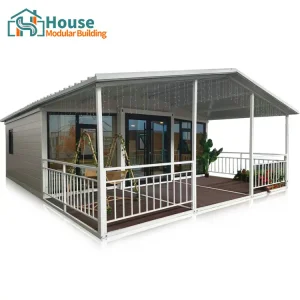
Select from our range of structural solutions, featuring variable sizes, X and Z configurations, and integrated glass facades.
Critical information for developers, project managers, and procurement officers deploying modular solutions in Osaka and global regions.
Connect with our technical design team to request customized layouts, detailed engineering specifications, and shipping quotes to the Port of Osaka.
Send Inquiry Now House Modular Building