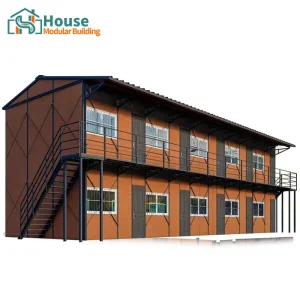
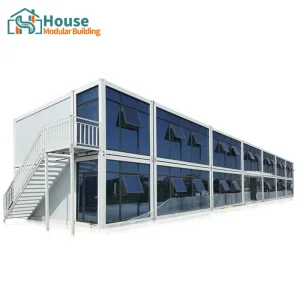
Explore our elite portfolio of customizable structural solutions engineered for ultimate durability, rapid onsite assembly, and global scalability.
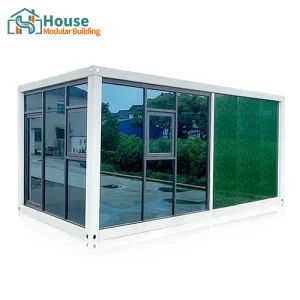
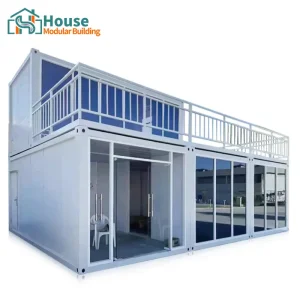
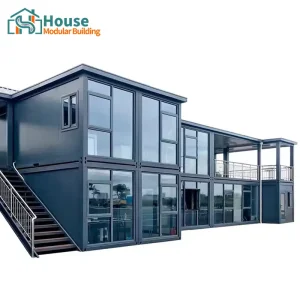
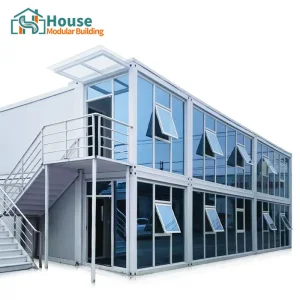
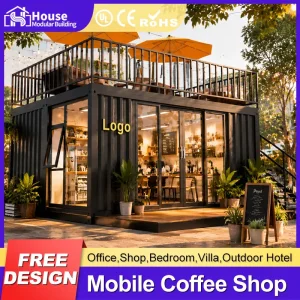
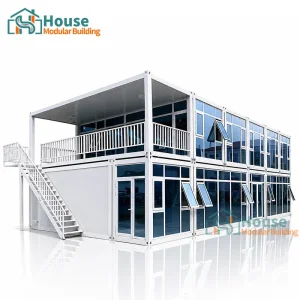
The global construction sector is undergoing a profound paradigm shift. Driven by skyrocketing onsite labor costs, stringent carbon-emission regulations, and the urgent demand for climate-resilient buildings, modular steel container structures have transitioned from temporary solutions to architectural masterpieces. The "Grand Designs" movement, characterized by striking geometric profiles, cantilevered volumes, and expansive floor-to-ceiling glass curtain walls, has validated shipping container housing as a legitimate luxury residential and robust commercial standard.
Today, multinational hospitality groups, municipal housing agencies, and real estate developers utilize container structures to bypass traditional supply chain vulnerabilities. By treating structural Corten steel modules as standardized building blocks, architects can build complex, multi-story developments in a fraction of the time, offering an unprecedented information gain in engineering agility, thermal efficiency, and life-cycle cost reduction.
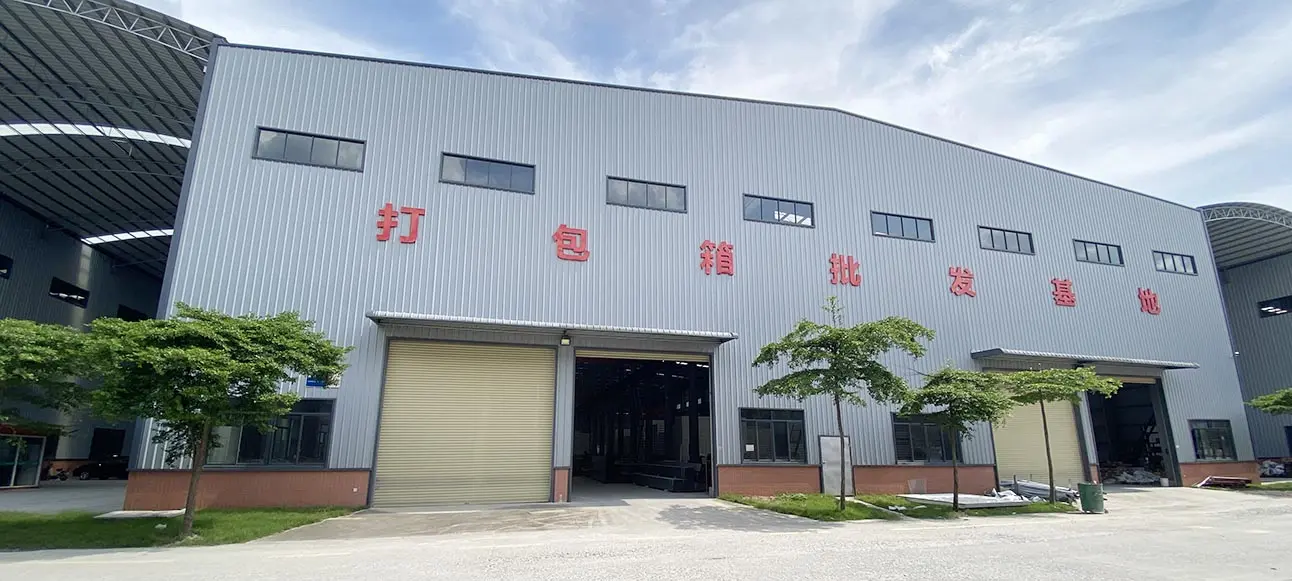
How our integrated Chinese production facilities streamline delivery and ensure compliance with international building codes.
To serve international markets efficiently, House Modular Building has established strategically aligned, massive production bases in both the North and South of China. This geographic allocation creates a highly responsive logistics network, matching different national port requirements and lowering shipping overheads significantly. We support high-throughput OEM and ODM manufacturing pipelines, giving regional distributors and master builders a substantial competitive advantage.
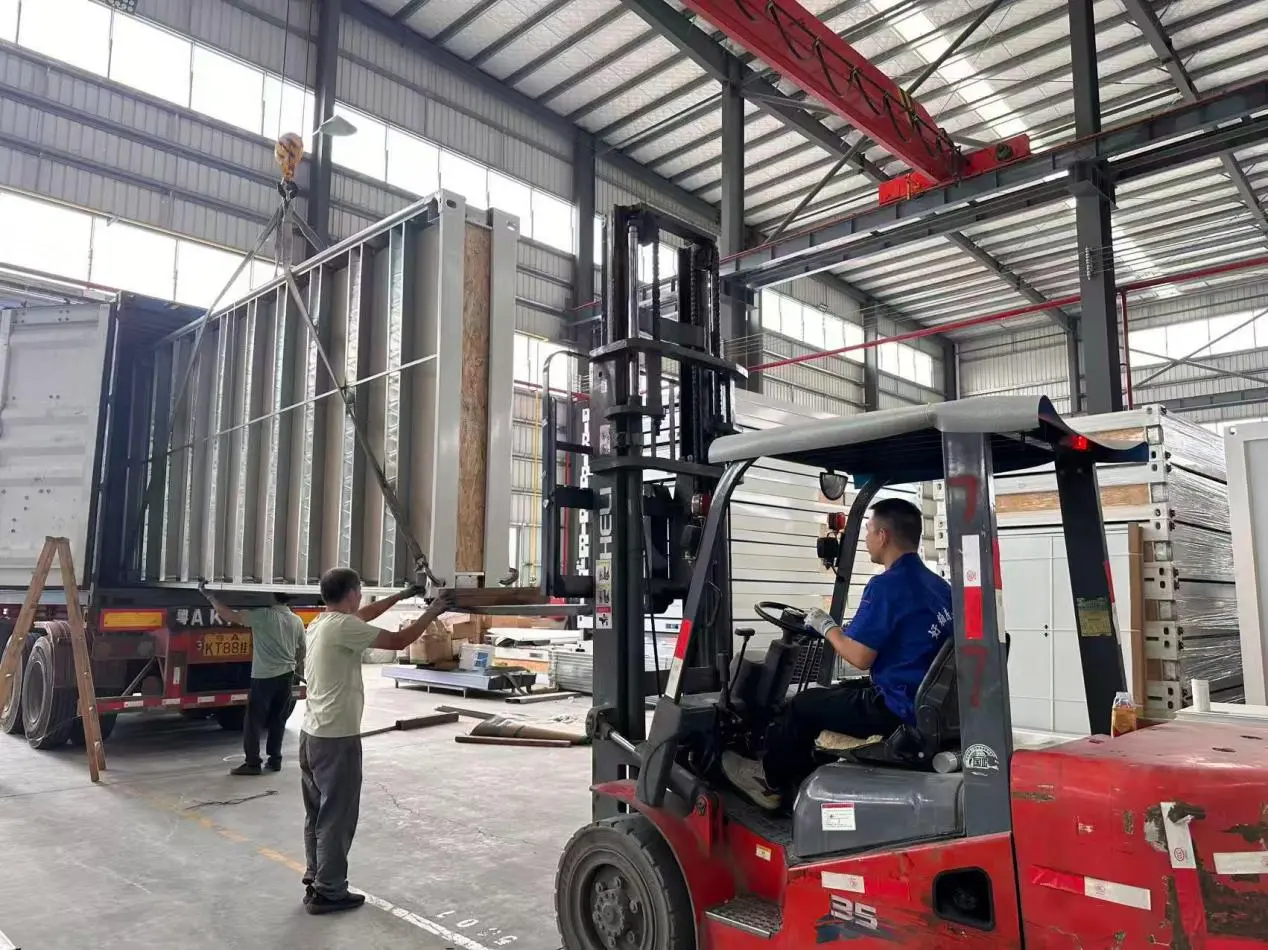
Our operation is built on complete integration: from the raw metallurgical processing of high-tensile structural steel to automated robotic welding, premium coating systems, and precision panel assembly. This closed-loop manufacturing system prevents typical onsite alignment anomalies. As an enterprise focusing on quality control, we ensure our structures exceed international standards, addressing specific structural loads, thermal gradients, and wind shears unique to our global distribution hubs.
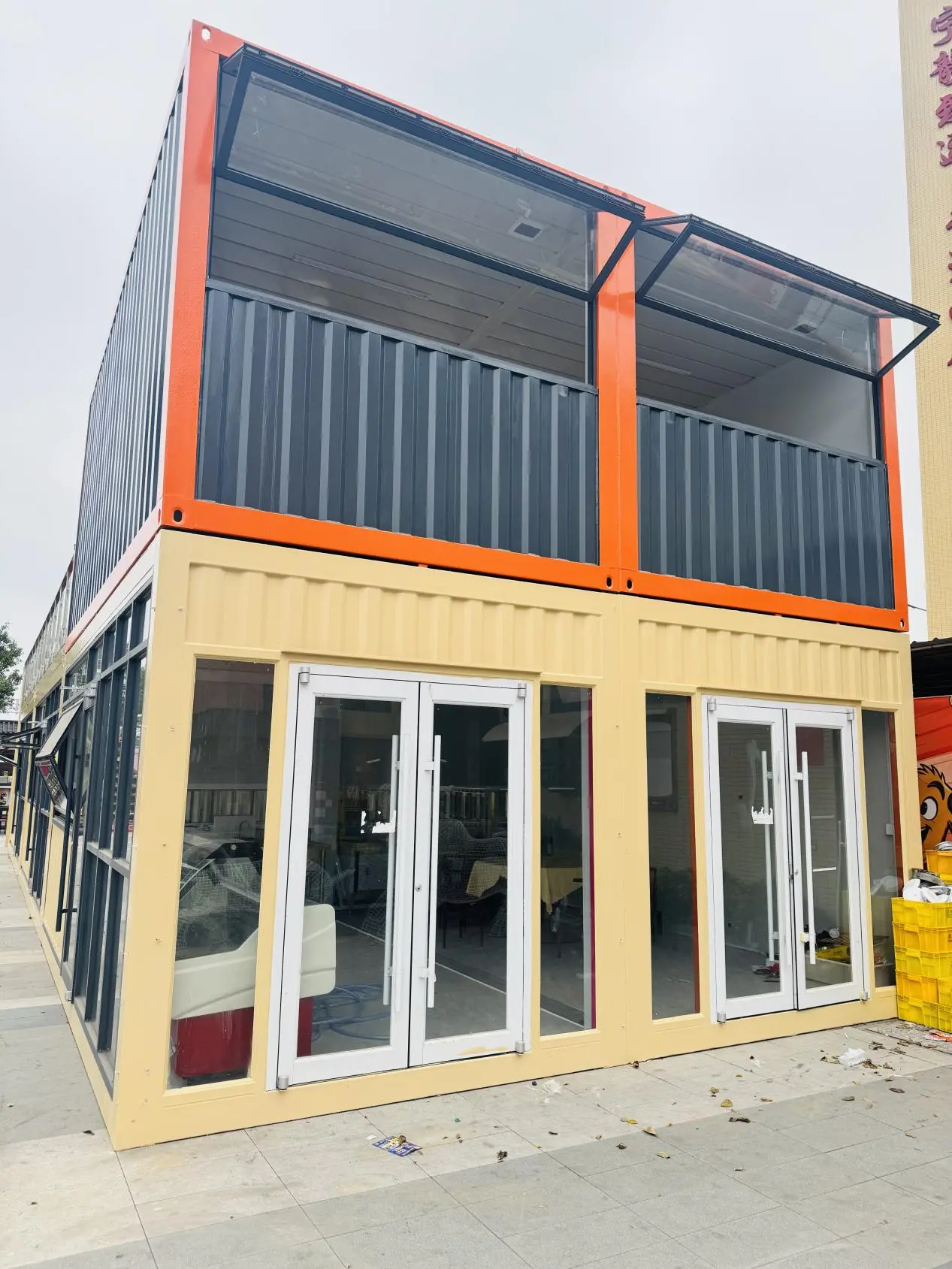

Utilizing structural grade corrugated steel panels reinforced with heavy-duty cold-formed corner fittings to withstand seismic shifts and category-5 hurricane wind forces.
By optimizing industrial assembly loops in China, we decrease onsite construction costs by up to 45%, offering unprecedented value to real estate developers.
Dual-base manufacturing located near key international deep-water ports guarantees seamless sea freight coordination and rapid regional fulfillment.
Discover how custom modular architecture successfully adapts to extreme environments, stringent building codes, and varied business models.
Standard container homes fail in freezing climates without advanced thermal break isolation. For our Scandinavian developers, we supply integrated structural packages using polyurethane spray insulation combined with vacuum-insulated panels (VIPs). This configuration ensures the structural steel frame remains decoupled from the interior living spaces, eliminating thermal bridging and achieving passive-house standard U-values.
Coastal applications present dual challenges: high-velocity wind loads (cyclone zones) and extreme atmospheric corrosion. Our oceanfront products incorporate marine-grade paint finishes (C5-M rating) and heavy-duty structural anchor plates designed for quick locking to pre-poured helical piles. This secures structural durability while preserving delicate coastal ecosystems.
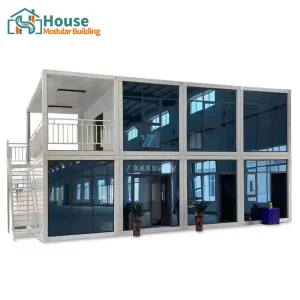
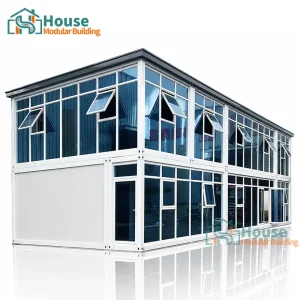
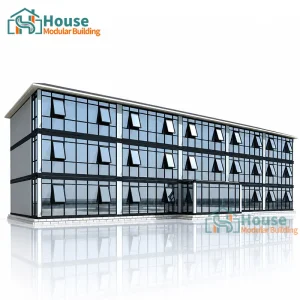
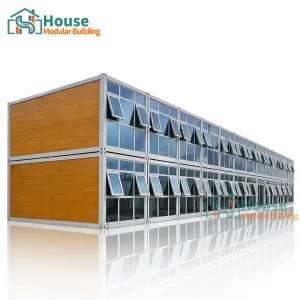
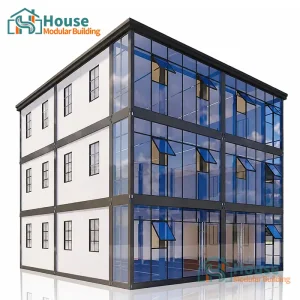
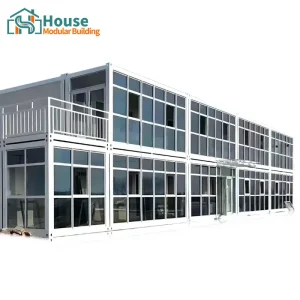
In dense European and North American metropolitan areas, traditional construction faces severe zoning and space constraints. Our multi-story office complexes and glass curtain wall configurations can be stacked up to three stories high without additional structural support columns, transforming underutilized properties into premium commercial spaces within days rather than months.
A strategic guide for wholesale distributors, institutional developers, and commercial contractors.
The prefabricated building market is projected to reach over USD 150 billion by 2030, with container-based building blocks taking a significant portion of this growth. As governments globally implement stricter carbon offset requirements, modular construction represents a clean alternative. By moving 90% of the assembly off-site to our state-of-the-art Chinese plants, onsite dust, noise, waste, and community disruption are virtually eliminated.
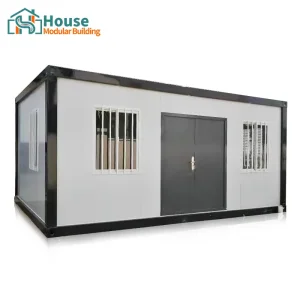
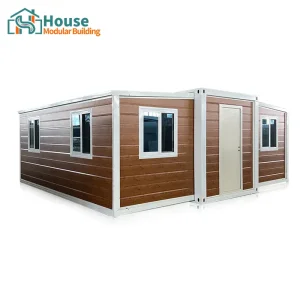
For institutional buyers and global distributors, procurement requires careful consideration of shipping configuration and local zoning. Choosing between flat-pack assemblies (which optimize shipping space) and fully welded, ready-to-use ISO shipping containers depends on local transport logistics, local labor costs, and site accessibility. House Modular assists throughout this process, providing complete structural calculations, engineering layouts, and material certificates to facilitate local compliance reviews.
Technical answers to your regulatory, structural, and shipping concerns.
Commercial, residential, and specialty units designed for durability and comfort.
 House Modular Building