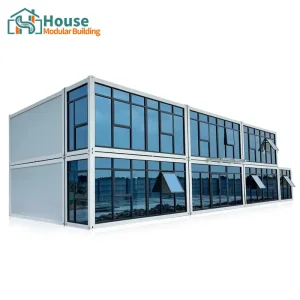
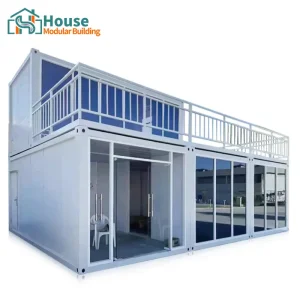
Engineered to withstand rigorous global building codes, optimizing spatial value and structural load-bearing parameters.
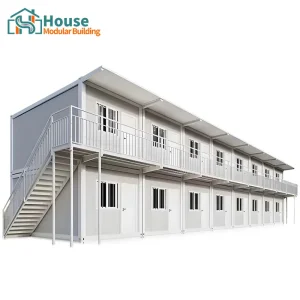
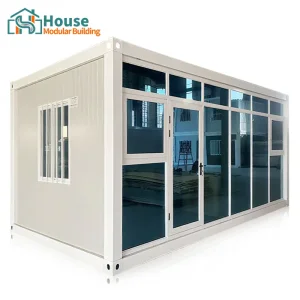
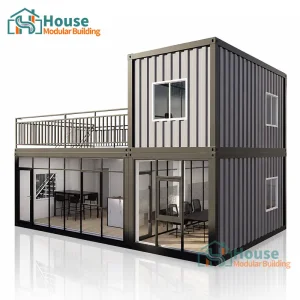
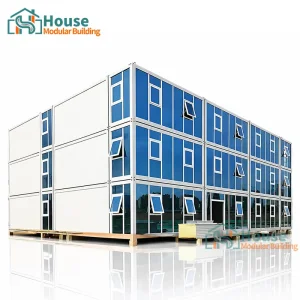
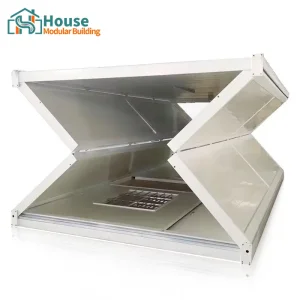
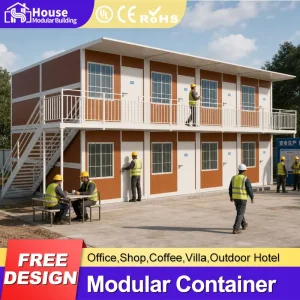
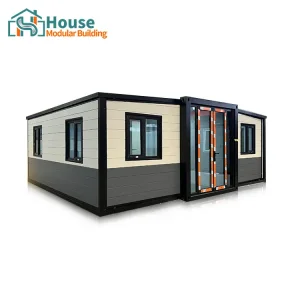
The global construction sector is undergoing a profound paradigm shift towards industrialization, circular economy standards, and structural modularity. In this context, 2-story shipping container homes have emerged from niche eco-architectural trends to become highly robust, standardized assets for commercial, civil, and industrial developers worldwide.
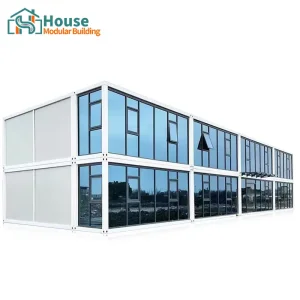
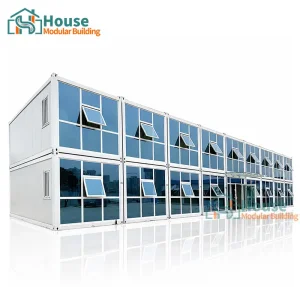
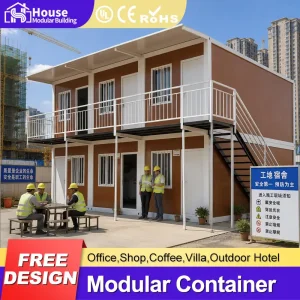
The core commercial appeal of multi-level container structures lies in their optimization of land footprints. As real estate development zones and site operations face growing spatial constraints, vertical modular expansion becomes a critical engineering strategy. Two-story modular frameworks reduce ground footprints by exactly 50% while doubling functional working or living space, delivering immense advantages for dense construction camps, urban retail hubs, and resource-extraction headquarters.
Furthermore, structural developments in galvanized steel framing allow these modular systems to bypass heavy local foundation works. With dynamic load distribution analysis, global engineers utilize 2-story container units to construct rapidly deployable multi-family housing complexes, medical relief centers, and executive offices that meet stringent regional zoning, seismic, and wind load mandates.
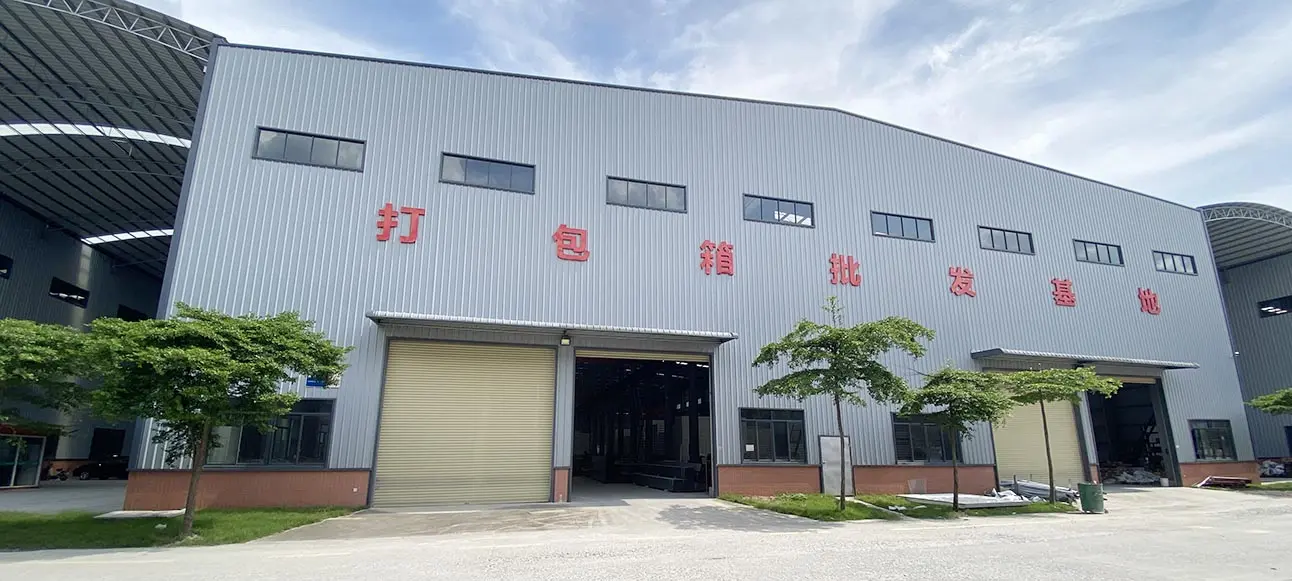
China is home to the world's most robust and vertically integrated industrial supply chains for steel manufacturing, cold-rolled profiling, and high-performance sandwich panel production. As an OEM and ODM supplier, House Modular Building leverages this industrial concentration to engineer high-specification modular homes with unparalleled cost efficiency.
The efficiency of a China-based modular building factory is rooted in specialized process controls:
By splitting production operations across strategically aligned northern and southern bases, Chinese factories ensure fast turnaround times and uninterrupted delivery schedules to meet volatile procurement demands globally.
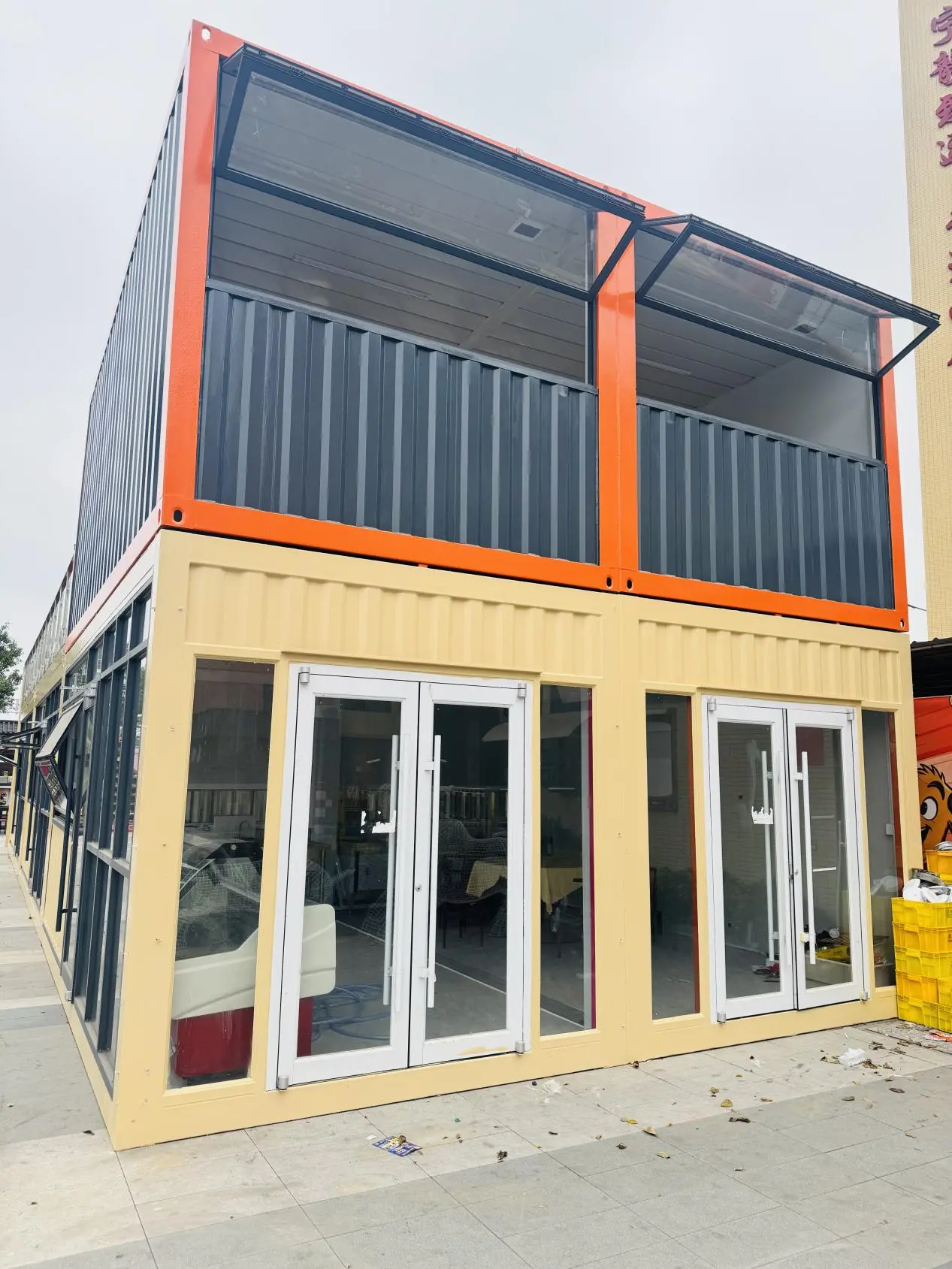
Engineered adaptations configured to align with regional environmental challenges, local architectural codes, and industrial standards.
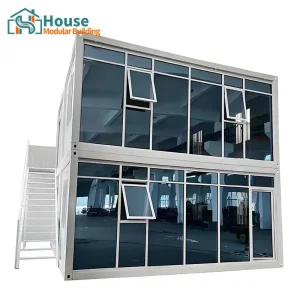
Configured to meet strict local zoning bylaws and energy criteria, such as Title 24 or local building codes. Features high-R-value polyisocyanurate (PIR) insulation, integrated electrical systems, and premium glass facades, serving as Auxiliary Dwelling Units (ADUs), tech-driven retail plazas, and satellite offices.
Built for the harsh climates of the Australian Outback and northern Canadian resource corridors. These units are engineered with robust exterior coatings, highly durable composite materials, and industrial-grade mechanical, electrical, and plumbing (MEP) systems, providing comfortable, long-term living environments for heavy-industry crews.
Engineered for regions prone to tropical storms and high humidity, such as the Caribbean and Southeast Asia. Features specialized C3/C4 anti-corrosion paint finishes on cold-rolled steel columns, heavy-duty floor load distribution structures, and structural wind resistance rated for category-4 typhoons.
A rigorous breakdown of the structural, environmental, and material standards embedded in every OEM modular container shipment.
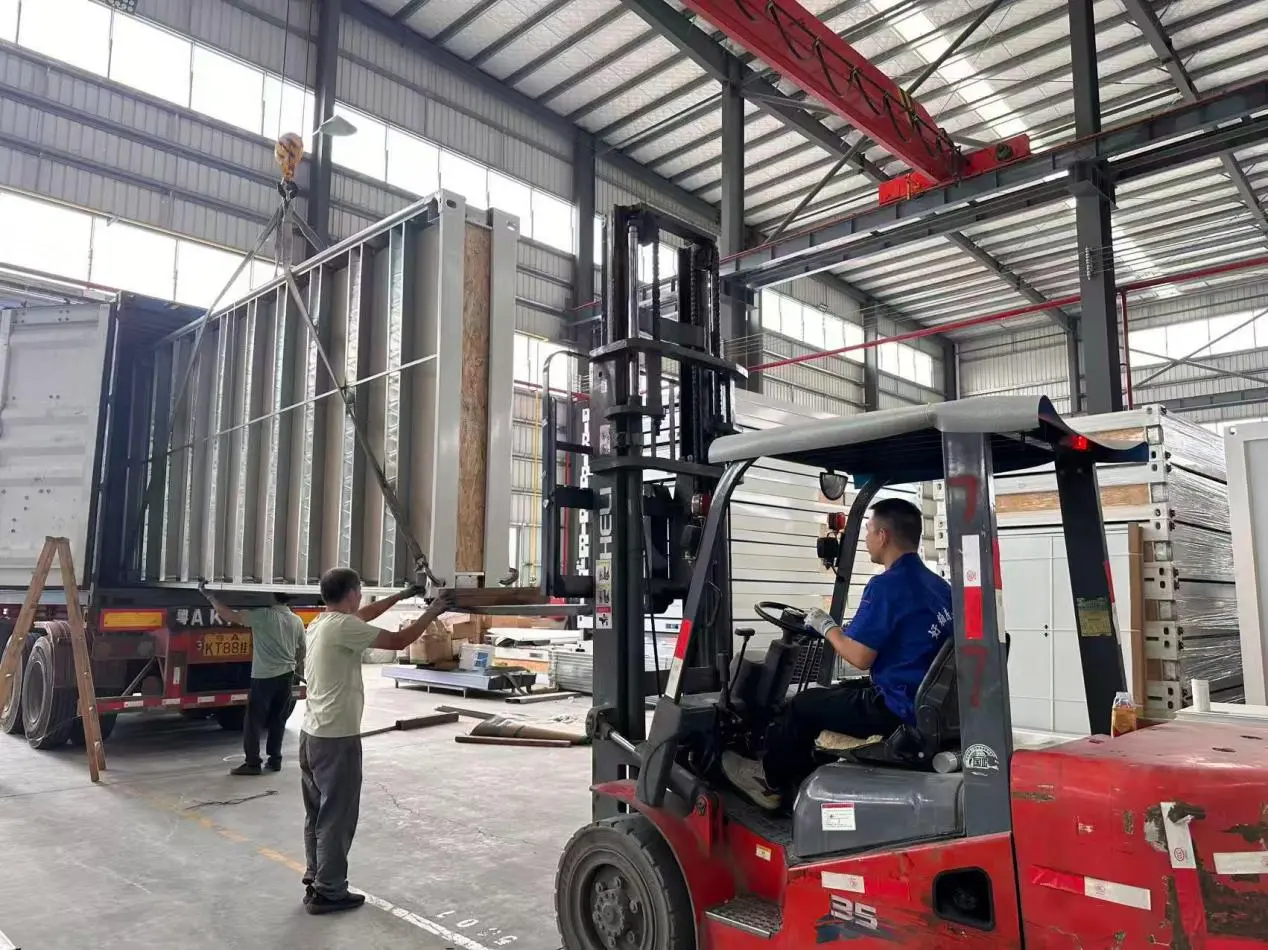
House Modular Building has rich professional knowledge and experience in the production of container houses and prefabricated houses. The company has a design team to provide solution design for customers' needs, a sales team to follow up and serve customers' order requirements, and the factory guarantees product delivery with quality and production efficiency.
In order to better serve customers and demonstrate the company's production and delivery capabilities, we have established production bases in both the north and south of China to provide efficient delivery capabilities to customers with different national needs. We support OEM and ODM operations in our factory for different countries, and provide distributors with a mutually beneficial partnership.
For a long time, with the evaluation and recognition of customer satisfaction, our company team has comprehensive service capabilities and business technology coverage, starting from the production of raw materials, to the construction and construction of foundations, and then to the construction and operation of service systems.
House Modular is a production oriented enterprise. The company has a large production base, and the factory has a senior professional independent research and development team. The factory currently has more than 200 employees, among which technical personnel such as shell research and development account for more than 30% of the total number of employees; More than 60% of the employees have over 5 years of experience in the shell production industry, and the core members of the team have worked in the building materials service field for more than 10 years. As a supplier of container houses, we must have a strong team to serve customers and solve their demand problems.
Analyzing key structural shifts in modular building, logistics optimization, and sustainability standards.
Large-scale construction firms are increasingly prioritizing modular steel structures to minimize site waste, meet carbon offset goals, and achieve high circularity ratings. Steel assemblies can be entirely disassembled, relocated, and reused, preventing land-fill degradation.
Modern B2B sourcing agents expect comprehensive Building Information Modeling (BIM) data. Providing detailed digital twin files allows mechanical and structural engineers to integrate container layouts seamlessly into master city plans, shortening the engineering approval phase.
Developers are moving away from raw structures to comprehensive turn-key modular assets. They require pre-fitted MEP networks, smart home integration, and fully finished interior drywalls, allowing them to rapidly deploy units on site within days of arrival.
Comprehensive technical and logistical answers tailored for global B2B procurement managers and distributors.
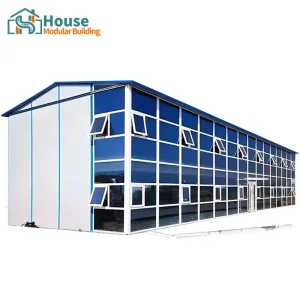
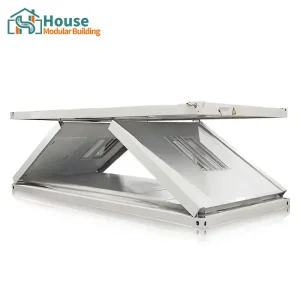
Premium architectural designs for commercial hubs, offices, restaurants, and collapsible applications.
 House Modular Building