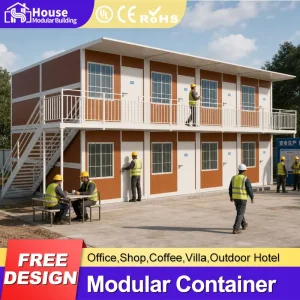
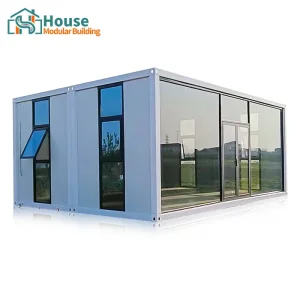
Explore our core engineering assemblies and prefabricated solutions custom-optimized for Indian infrastructure, logistics hubs, and rapid-urbanization projects.
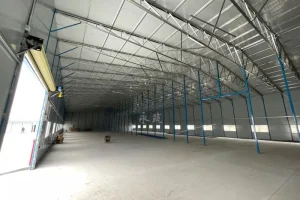
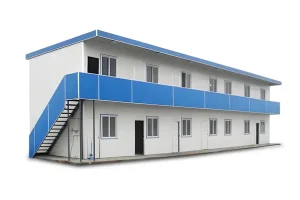
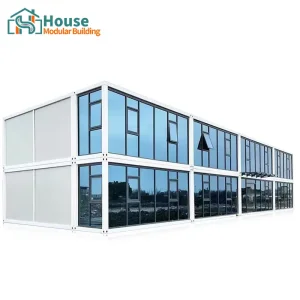
The construction industry in India is undergoing a massive shift from traditional, energy-intensive on-site construction to advanced prefabricated modules and modular building components. Driven by the Government of India's initiatives such as the Smart Cities Mission and PM GatiShakti National Master Plan, infrastructure deployment speed has become the single most critical KPI.
However, execution in India presents unique geographical and climatic challenges. From the coastal humidity of Chennai and Mumbai to the high seismic vulnerability of the Himalayan belt (Zones IV and V) and the dry, extreme heat of Rajasthan, modular installations require highly specialized structural accessories. Standard global components often fail to withstand local environmental strains, driving the demand for specialized, certified modular structural systems.
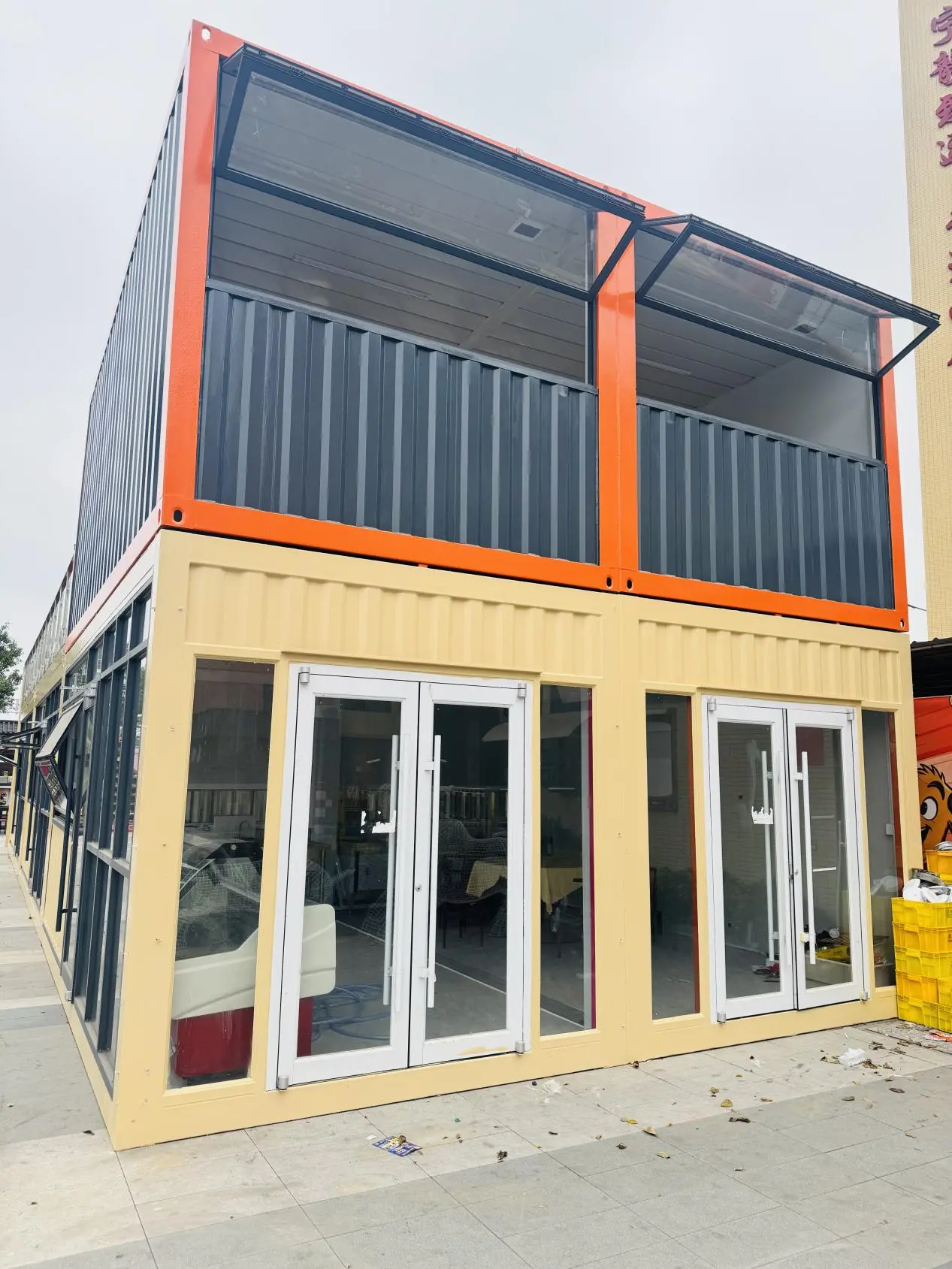
Leading modular building manufacturers and distributors in the Indian market are shifting focus towards high-grade, hot-dip galvanized steel frames, premium structural insulated panels (SIPs), and high-performance weather-resistant glazing. These components form the foundation of next-generation infrastructure, reducing assembly times by up to 50% while guaranteeing structural integrity for over 25 years.
Understanding global procurement behaviors, compliance standards, and raw material trends that dictate supply chain resilience in the South Asian prefabrication market.
Procurement executives sourcing modular structures and building accessories for Indian infrastructure projects consistently face delivery lag-times, supply chain volatility, and sub-standard quality controls.
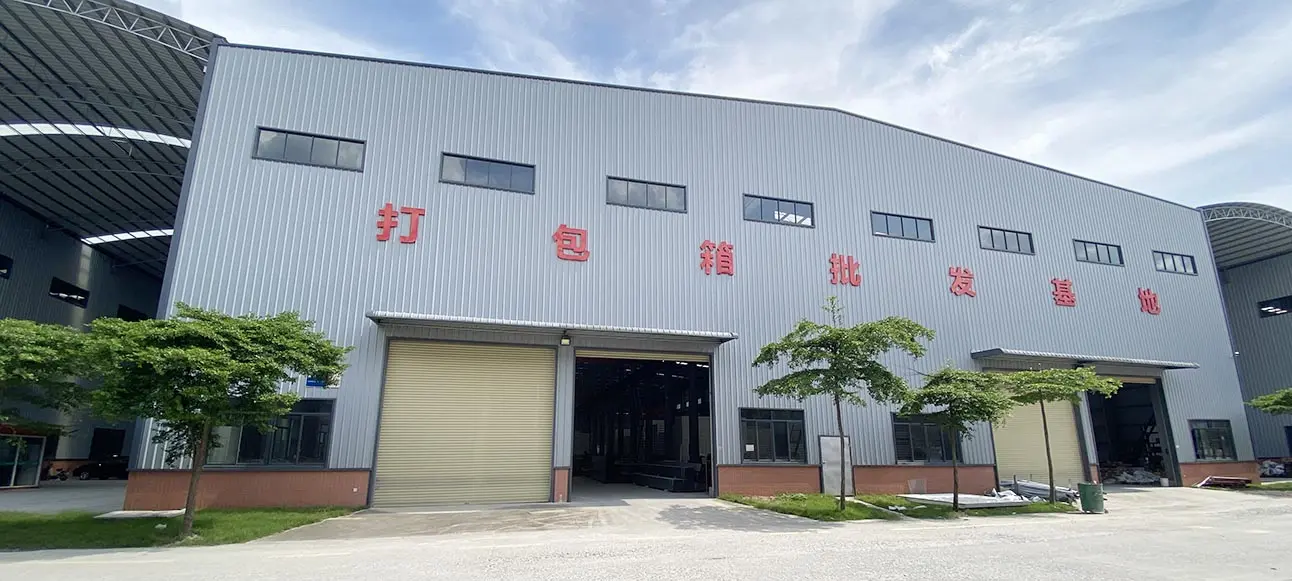
To circumvent these hurdles, major contractors demand strategic global manufacturing partners who support OEM and ODM operations with flexible delivery points. This is where House Modular Building delivers immediate strategic value, operating dual production facilities across China to guarantee uninterrupted cargo routing, minimizing both transit lead times and dynamic shipping costs to India's commercial gateways such as Nhava Sheva (Mumbai), Mundra, and Chennai ports.
As an industry-leading, production-oriented enterprise, House Modular Building has established robust manufacturing bases strategically positioned to meet international and Indian domestic demands. Supported by a workforce of more than 200 dedicated production professionals, our organizational backbone is engineered around precision, safety, and rapid scalability.
Indian national structural engineering codes require distinct parameters for high-wind loads, seismic zones, and corrosive coastal conditions. Any international modular solutions imported into major infrastructure hubs (such as Delhi NCR, Bangalore, Pune, and Chennai) must strictly adhere to the Bureau of Indian Standards (BIS) and regional directives.
| Design Parameter | Relevant Indian Standard (IS) Code | House Modular Engineering Compliance |
|---|---|---|
| Structural Steel Design | IS 800:2007 | High-yield cold-formed steel frames with premium section moduli. |
| Wind Load Requirements | IS 875 (Part 3) | Constructed for Category 2 wind topography up to 55 m/s. |
| Earthquake / Seismic Action | IS 1893 (Part 1) | Designed to tolerate Zone III, IV, and V seismic drift limits. |
| Anti-Corrosive Coating | ISO 12944 / IS 4759 | Heavy galvanization layer (>275 g/m²) ideal for high-humidity areas. |
Looking toward the remainder of the decade, the modular building landscape is transitioning from basic temporary structures to high-tech, net-zero permanent housing solutions. At House Modular, our technology roadmap focuses on three main developments:
Advanced Composite Insulation: We are integrating aerogel-infused wall panels that achieve unprecedented thermal resistance (R-values) with minimal panel thickness, supporting energy-efficient cooling in high-temperature environments.
Structural Interlocking Fasteners: Developing quick-locking precision connections that drastically decrease crane dependency, enabling rapid assembly of multi-level offices in dense metropolitan areas.
IoT-Enabled Smart Habitats: Standardizing the pre-installation of conduits and electrical integration pathways inside wall cavities, allowing easy deployment of smart climate control, environmental sensors, and green-energy battery systems.
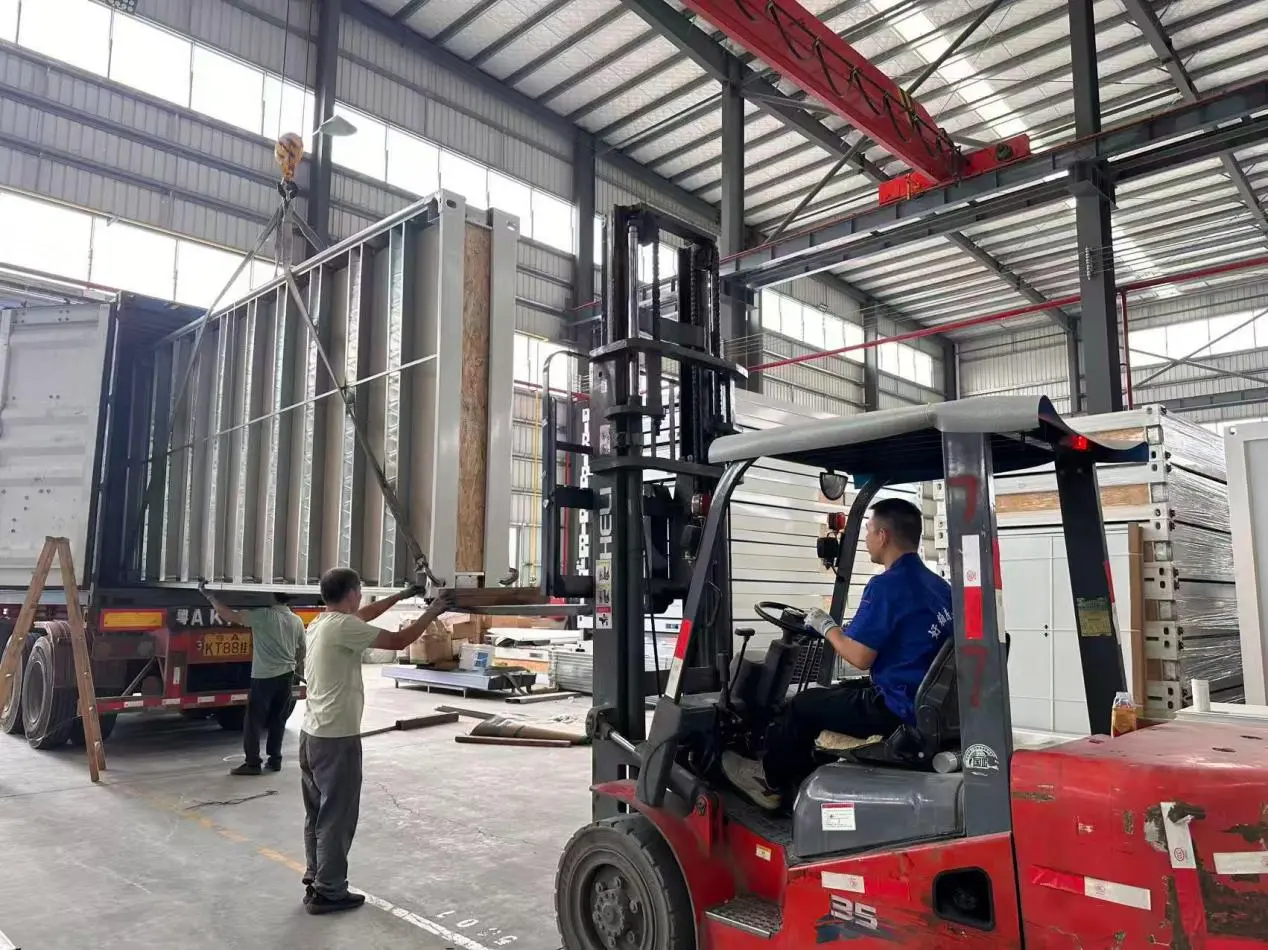
Engineered for high performance, ease of transit, and fast structural integration. Select from our customizable configurations below, optimized for commercial applications in India.
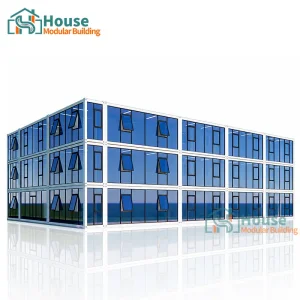
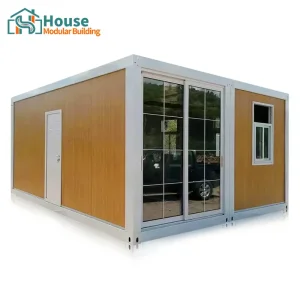
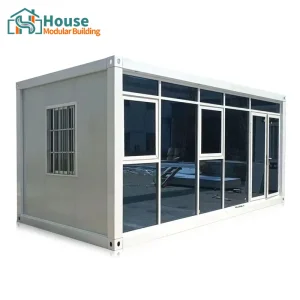
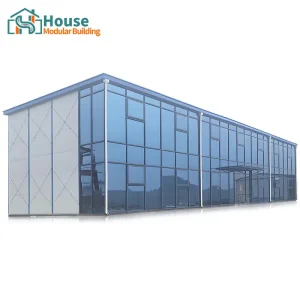
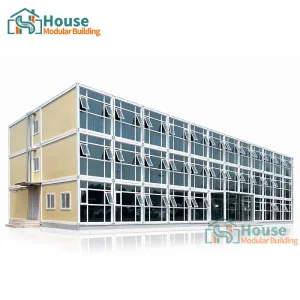
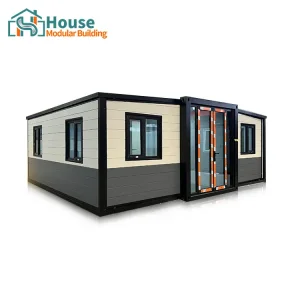
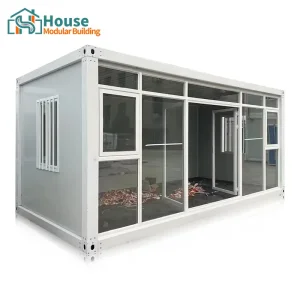
Expert answers addressing compliance, logistics, engineering customizations, and installation frameworks for procurement managers.
 House Modular Building