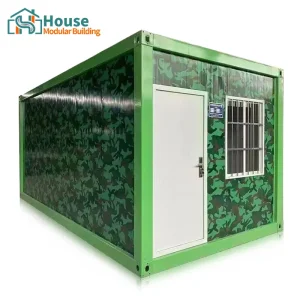
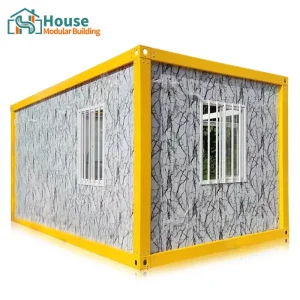
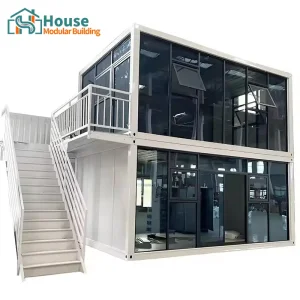
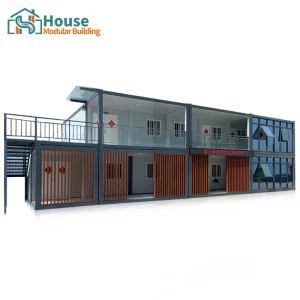
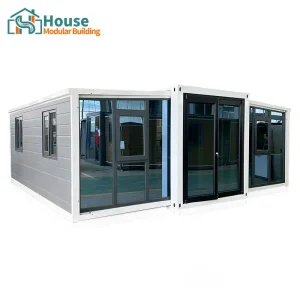
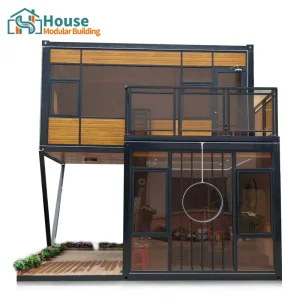
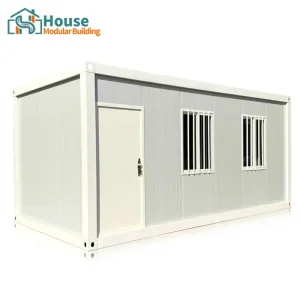
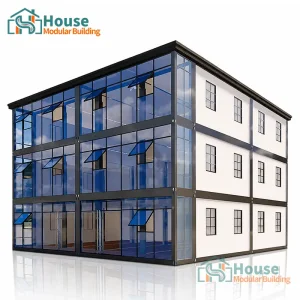
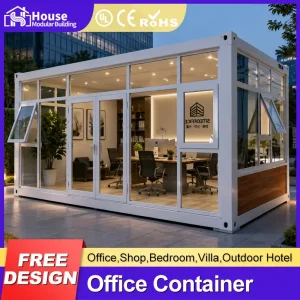
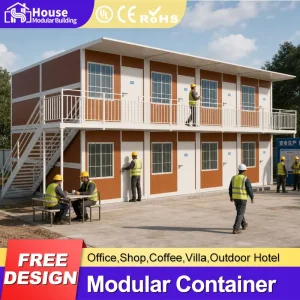
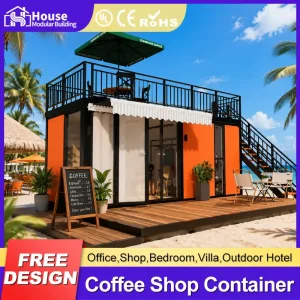
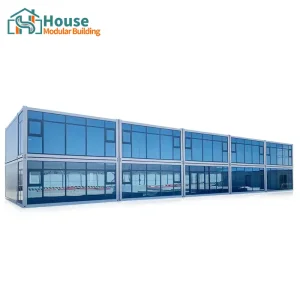
Explore our engineered modular configurations, manufactured to international structural integrity codes and designed for rapid global deployment.
The international construction paradigm is undergoing a structural transition. Industrial modular construction, particularly leveraging standardized steel shipping container frameworks, is no longer limited to temporary job-site shelters. Today, it represents a multi-billion dollar market serving commercial offices, luxury residential developments, municipal clinics, and hospitality complexes.
Urban density, combined with soaring labor costs and stringent carbon-neutral construction policies globally (such as the EU's Energy Performance of Buildings Directive and US LEED certifications), has propelled modular container solutions to the forefront. By shifting 80% to 90% of the building processes off-site into a controlled factory setting, project developers achieve compressed construction schedules by up to 50% while mitigating ambient site pollution and materials waste.
Globally, procurement managers look to specialized suppliers who can bridge the gap between engineering compliance and scalable industrial production. The structural load capacity of ISO standard high-strength steel frames allows modular configurations to withstand extreme environmental loading conditions, including Zone 4 seismic activities and Category 5 hurricane-force winds. This engineering flexibility makes it a reliable asset for developers working in diverse geographies from the remote mines of Western Australia to the dense urban zones of Western Europe.
China stands as the global hub for container house manufacturing, driven by an unmatched industrial supply chain, advanced automated metal fabrication, and geographical logistics clusters. The synergy between primary steel producers, insulation panel mills, and precision window/hardware manufacturers allows Chinese factories to operate at maximum efficiency.
With strategically located manufacturing operations in both the North and South of China, factories optimize domestic transport systems and leverage deep-water ports (such as Tianjin, Qingdao, and Shanghai) to ensure fast international dispatch.
By utilizing automated laser cutting systems, robotic structural welding, and assembly-line sandwich panel installation, manufacturing lead times are shortened to as little as 10 to 15 working days per standard batch.
Chinese modular design bureaus integrate modern building software (BIM, CAD) directly with factory CNC machinery, converting custom architectural floor plans into physical modules with sub-millimeter tolerances.
Furthermore, having established production hubs across key industrial corridors in China means suppliers can tailor the structural materials and insulation parameters to target export markets. For instance, cold-climate regions (e.g., Canada, Scandinavia) are supplied with high-density polyurethane (PU) foam or mineral rockwool insulation panel variants to maximize R-values, while tropical regions (e.g., Southeast Asia, Pacific Islands) receive premium zinc-galvanized frames coated with marine-grade anti-corrosive finishes.
In-depth technical compliance is critical when evaluating a supplier for long-term construction projects. Below is the structural and mechanical layout standard for high-performance custom container houses.
| Structural Component | Material Specification | Technical Parameters & Compliance |
|---|---|---|
| Primary Steel Frame | Q235B / Q345B Hot-Dipped Galvanized Structural Steel | Thickness: 3.0mm - 4.0mm; Tensile Strength: 375-500 MPa. Yield strength compliant with international standards. |
| Wall Insulation Panels | Polyurethane (PU) / Rockwool / EPS Sandwich Panels | Thickness options: 50mm, 75mm, 100mm, 150mm. Heat conductivity coefficient (U-value) down to 0.24 W/m²K. |
| Floor System | Fiber Cement Board + PVC/SPC Waterproof Flooring | Moisture-proof, fire rating Class A1, surface load capacity > 2.5 kN/m² (upgradable for heavy commercial use). |
| Glazing & Windows | Double-Glazed Tempered Low-E Glass with Aluminum Frame | Sound transmission loss ≥ 35 dB; integrated thermal break profiles to prevent moisture condensation. |
| Electrical Systems | Pre-wired conduits (hidden installation) | CE, AS/NZS, UL, or SAA certified wiring, distribution boards, switches, and sockets depending on the region. |
| Structural Lifespan | Reinforced Anti-corrosion Exterior Epoxy Paint System | Design life of structural components: ≥ 25-30 years with appropriate routine maintenance. |
Modern container architectures adapt easily to diverse operational demands. Thanks to the plug-and-play configuration of prefabricated structures, deployment times on site are cut down drastically, unlocking opportunities in both urban centers and extreme geographic locations.
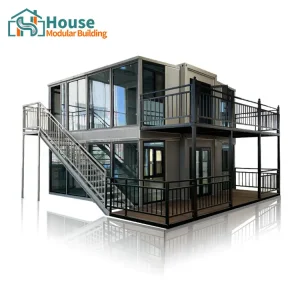
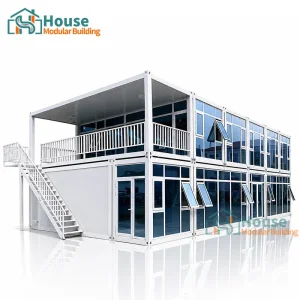
High-growth business parks and logistics centers leverage multi-story modular stacks to establish modern corporate offices. With wide structural glass panels and customizable interior layouts, these setups provide professional spaces with the comfort of permanent corporate facilities.
In rapid response healthcare scenarios, factory pre-wired and pre-plumbed isolation rooms, temporary clinic facilities, and patient wards can be set up in a matter of days. Their easily sanitized non-porous surfaces conform to strict public health hygiene directives.
Resource companies operating in remote regions require high-quality, durable housing for their workforce. Multi-unit flat-pack container structures can be set up quickly to form full-scale industrial communities complete with mess halls, recreational hubs, and laundry blocks.
From pop-up shopping plazas and modular cafes to design-forward boutique hotels, container modularity allows developers to build trendy, aesthetically pleasing retail hubs with minimal capital outlay and fast ROI.
As the construction sector adapts to meet global ecological targets, container manufacturing is integrating smart technologies and sustainable materials. The next decade will define a new standard for how modular buildings interact with the environment and their occupants.
Using low-impact steel alloys, recycled internal insulation layers, and non-VOC surface coatings to ensure modules are highly recyclable at the end of their operational lifecycle.
Integrating factory-fitted photovoltaic (PV) roof arrays, lithium-ion energy storage systems, and greywater recycling units to allow total self-sufficiency in remote areas.
Pre-installing smart environmental sensors, automated HVAC ducting, and energy management software during the factory phase to cut down on site operations.
Procuring modular container units at an enterprise scale requires careful verification of structural and regulatory compliance. Business buyers should pay close attention to several key steps:
Ensure that structural designs align with local building codes, including wind load calculations, snow loads, and local thermal insulation standards (such as Title 24 in the US or CE directives in Europe).
Set up systematic, third-party factory audits checking weld quality, structural steel alignment, paint thickness, and electrical safety performance before packing and shipping.
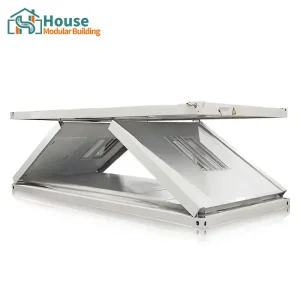
Work out the best delivery configuration—choosing between flat-pack (which optimizes freight costs) or fully pre-assembled units that help minimize on-site installation work.
House Modular Building has rich professional knowledge and experience in the production of container houses and prefabricated houses. The company has a design team to provide solution design for customers' needs, a sales team to follow up and serve customers' order requirements, and the factory guarantees product delivery with quality and production efficiency.
In order to better serve customers and demonstrate the company's production and delivery capabilities, we have established production bases in both the north and south of China to provide efficient delivery capabilities to customers with different national needs. We support OEM and ODM operations in our factory for different countries, and provide distributors with a mutually beneficial partnership.
For a long time, with the evaluation and recognition of customer satisfaction, our company team has comprehensive service capabilities and business technology coverage, starting from the production of raw materials, to the construction and construction of foundations, and then to the construction and operation of service systems.
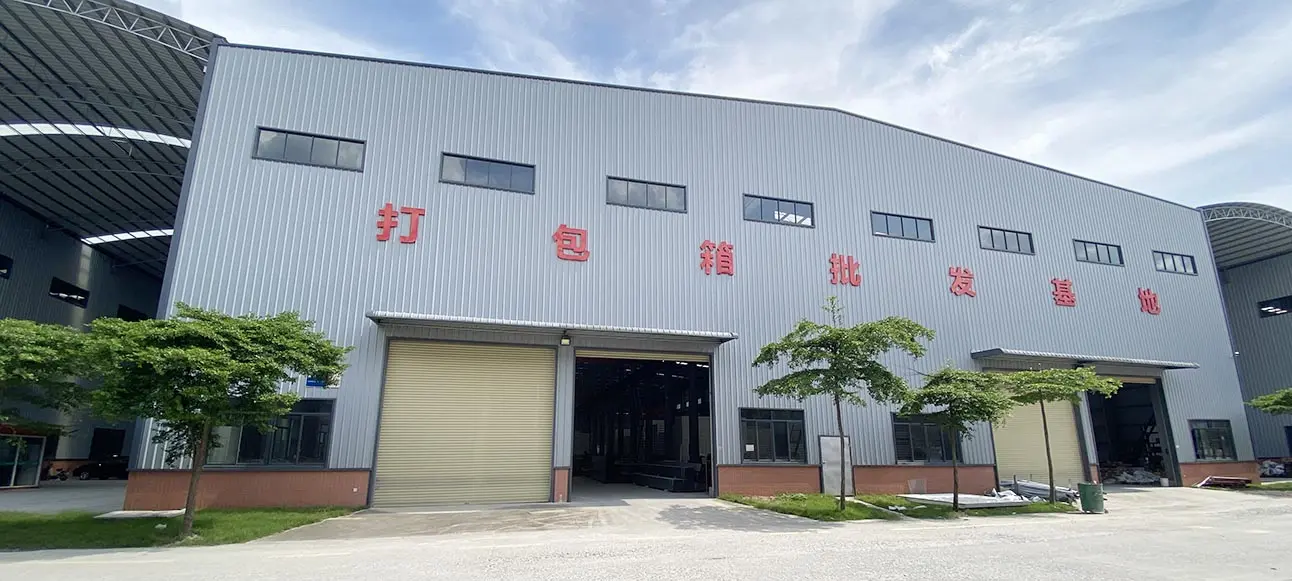
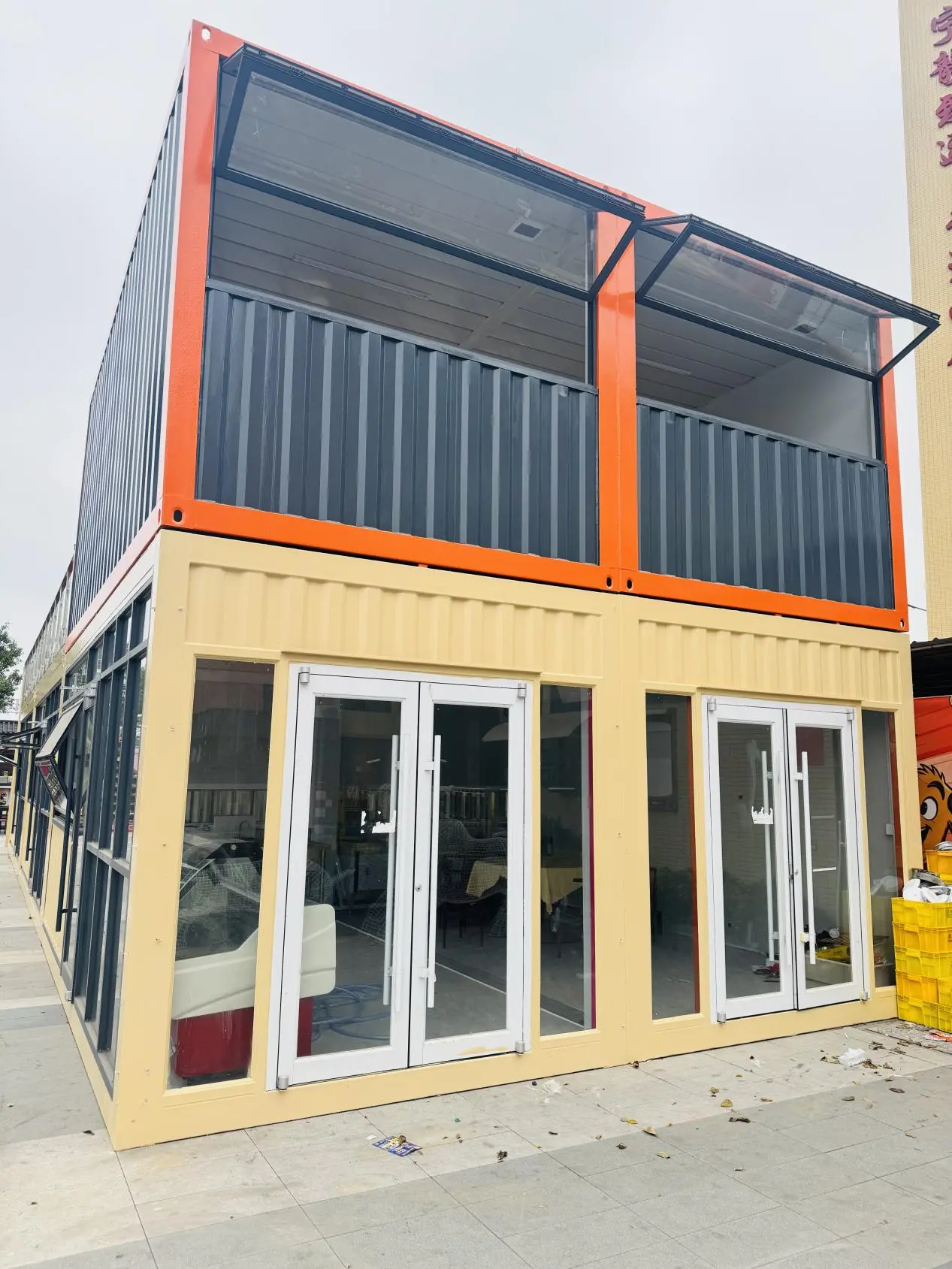
House Modular is a production-oriented enterprise. The company has a large production base, and the factory has a senior professional independent research and development team. The factory currently has more than 200 employees, among which technical personnel such as shell research and development account for more than 30% of the total number of employees; More than 60% of the employees have over 5 years of experience in the shell production industry, and the core members of the team have worked in the building materials service field for more than 10 years.
As a supplier of container houses, we must have a strong team to serve customers and solve their demand problems. Our structured production layout and team expertise guarantee high product quality and timely deliveries.
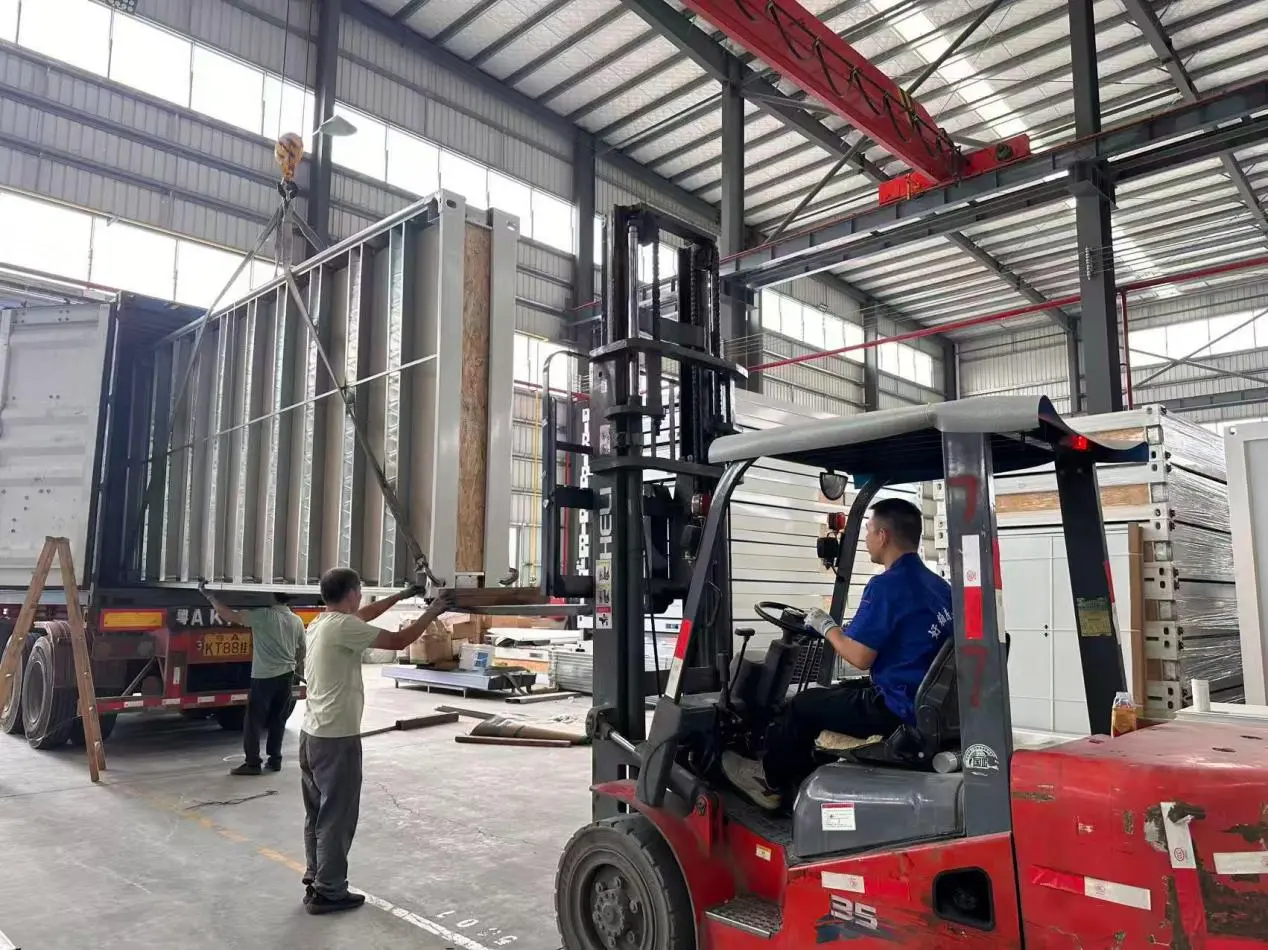
Our end-to-end service cycle minimizes dependencies on third parties, protecting your project from supply chain delays. We maintain close oversight at every stage, including structural frame fabrication, assembly of fire-rated insulation panels, utility integration, and logistics coordination. This complete pipeline helps us keep lead times consistent and ensure reliability for all orders.
Find answers to key technical, logistical, and structural questions about importing and deploying custom container modular builds.
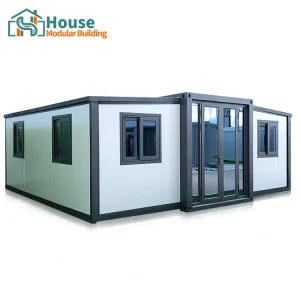
Discover our specialized container models, from compact collapsible units to complex multi-story office buildings, built for durability and flexible site deployment.
 House Modular Building