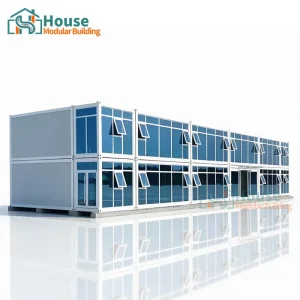
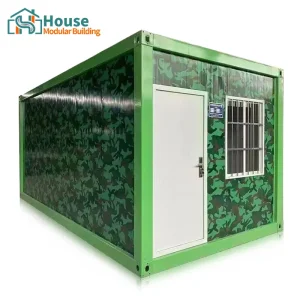
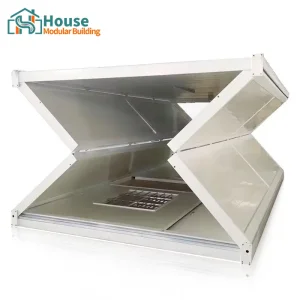
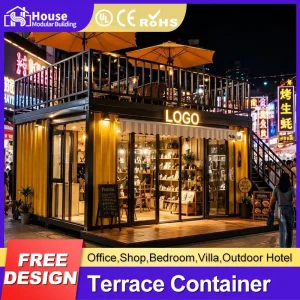
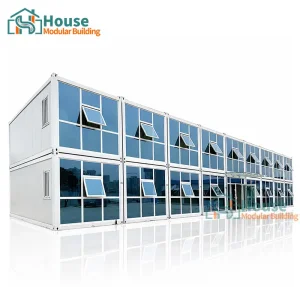
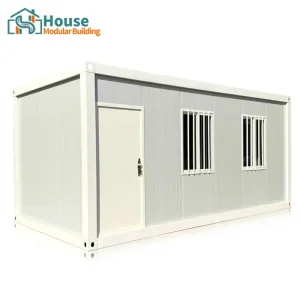
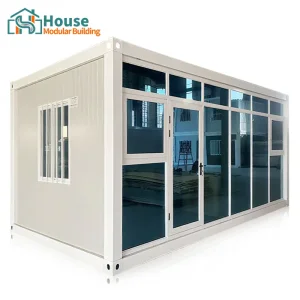
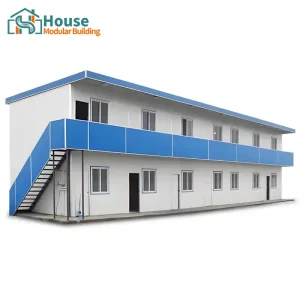
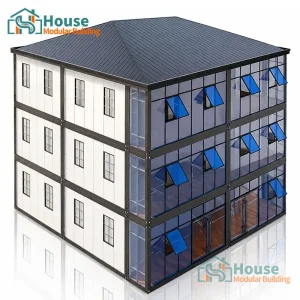
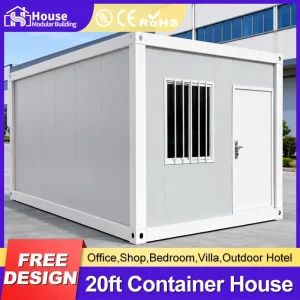
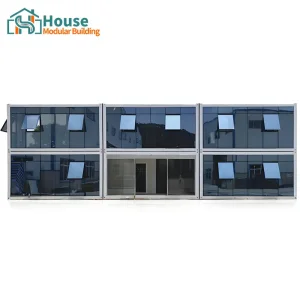
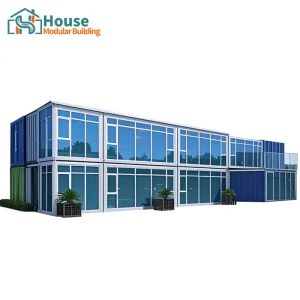
Explore our industrial range of precision-converted modules configured for commercial, industrial, and residential applications.
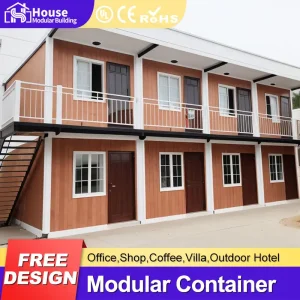
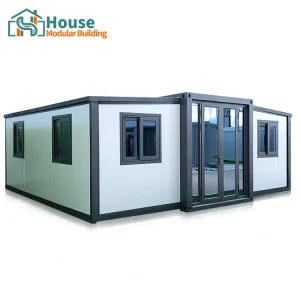
In the global landscape of structural engineering and modular space solutions, custom converted storage containers have transitioned from basic, cost-effective alternatives into core architectural platforms. For procurement managers, commercial developers, and system designers, selecting the right custom converted storage containers supplier & suppliers is not merely a purchasing transaction; it is a long-term strategic decision involving raw material integrity, localization, compliance with global construction codes, and sustainability targets.
Converting marine-grade ISO cargo vessels into functional workspaces, living modules, or retail venues demands deep technical competence. The process begins with structural load calculations. When window bands, glass curtain walls, or custom entries are introduced into the corrugated Corten steel wall structures, the integrity of the container is altered. Premium suppliers resolve this structural deviation by welding reinforcement plates, steel tubing columns, and headers according to finite element method (FEM) analysis.
Thermal breaking is another vital technical aspect of modern conversion. Standard steel containers offer no native insulation. The application of high-density Polyurethane (PU) spray foam, polyisocyanurate (PIR) core panel systems, or fire-rated rockwool ensures consistent temperature regulation. This thermal shielding is key to reducing operational HVAC loads, meeting energy efficiency metrics, and preventing condensation within the wall cavities.
One of the most complex challenges in modular container supply chains is meeting the unique legal and construction standards of different jurisdictions. A true Tier-1 converted storage containers supplier must design and manufacture structures that comply with international building systems:
Our solutions conform to International Building Code (IBC) guidelines. Electrical configurations feature UL-listed wiring systems, GFCI outlets, and conduits that meet the National Electrical Code (NEC).
We ensure compliance with CE directives, including EN 1090 structural steel execution standards and proper thermal transmittance factors (U-values) for regional energy codes.
Design configurations accommodate high wind speeds (up to wind region C and D classifications) and structural compliance with AS/NZS 1170, backed by detailed engineering reviews.
Through robust engineering support, we provide full structural calculation packages, foundation load diagrams, and material certificates to assist distributors and enterprise clients in obtaining zoning permits and local occupancy approvals.
The manufacturing capabilities of House Modular Building are backed by the industrial strengths of China's modular construction ecosystem. By establishing production facilities in both Northern and Southern China, we offer structural optimization and shipping logistics efficiency for clients around the globe.
Our Northern facility leverages proximity to key steel-producing regions and heavy industry hubs. This supports cost-effective raw material procurement (including structural steel profiles, channel framing, and specialty composite panels). Our Southern facility focuses on precision finishing, advanced curtain wall integrations, internal fit-outs, and rapid export shipping through high-capacity ports. This dual-base strategy allows us to minimize transport distances, adjust production schedules, and deliver orders on time regardless of destination.
For B2B procurement managers, evaluating modular container suppliers requires analyzing the Total Cost of Ownership (TCO) rather than just initial purchase costs. Selecting a lower-tier supplier can lead to quality-related issues on-site, including structural alignment shifts, water ingress, and non-compliant electrical grids. These deficiencies often result in project delays and extra installation costs.
At House Modular, we target TCO reduction through manufacturing precision. Our manufacturing tolerances are held to strict standards (+/- 2mm structural variance) using advanced welding and assembly systems. The integration of high-performance paints and protective coatings reduces the risk of corrosion, which in turn lowers long-term maintenance costs and extends the operational lifespan of the structures to 20+ years.
The versatility of converted storage container architecture meets the requirements of a wide variety of localized industrial, commercial, and civilian applications:
The future of the modular container industry is centered on sustainability and digital integration. Utilizing converted shipping containers naturally aligns with circular economy principles by repurposing tons of structural steel. Modern developers are taking this concept further by incorporating solar arrays, smart energy management systems, and gray-water filtration loops directly into the container chassis during the conversion stage.
Furthermore, BIM (Building Information Modeling) workflows are now a standard part of our engineering operations. Every component—from structural columns to conduit routes—is pre-modeled, minimizing material waste during production and ensuring accurate assembly when units are linked on-site.
House Modular Building has rich professional knowledge and experience in the production of container houses and prefabricated houses. The company has a design team to provide solution design for customers' needs, a sales team to follow up and serve customers' order requirements, and the factory guarantees product delivery with quality and production efficiency.
In order to better serve customers and demonstrate the company's production and delivery capabilities, we have established production bases in both the north and south of China to provide efficient delivery capabilities to customers with different national needs. We support OEM and ODM operations in our factory for different countries, and provide distributors with a mutually beneficial partnership.
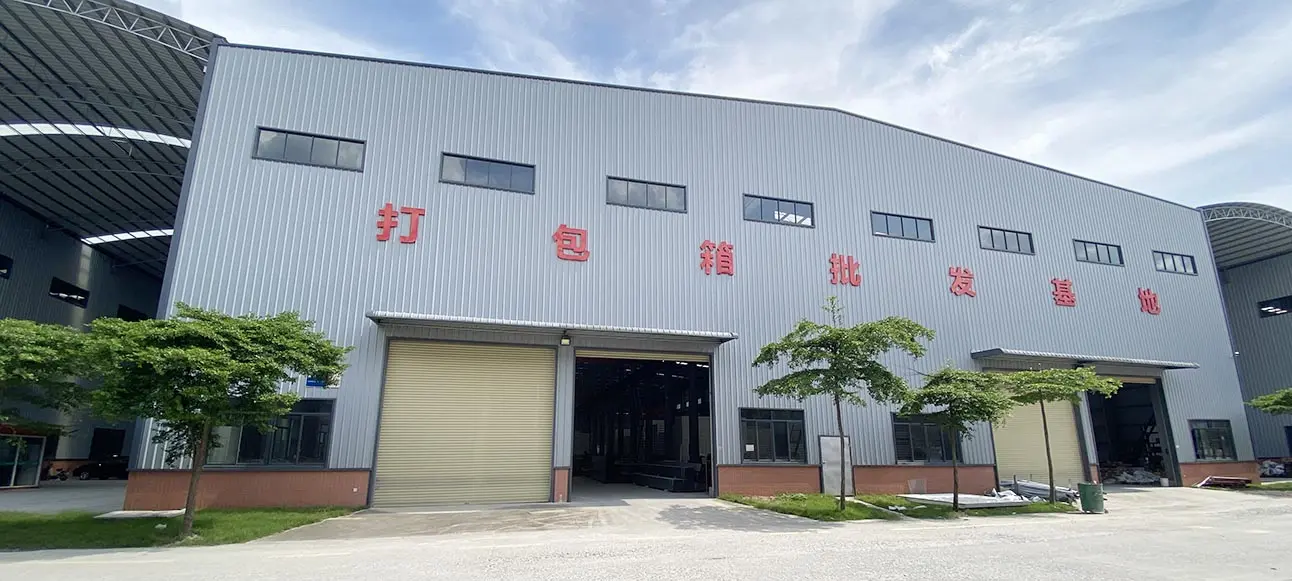
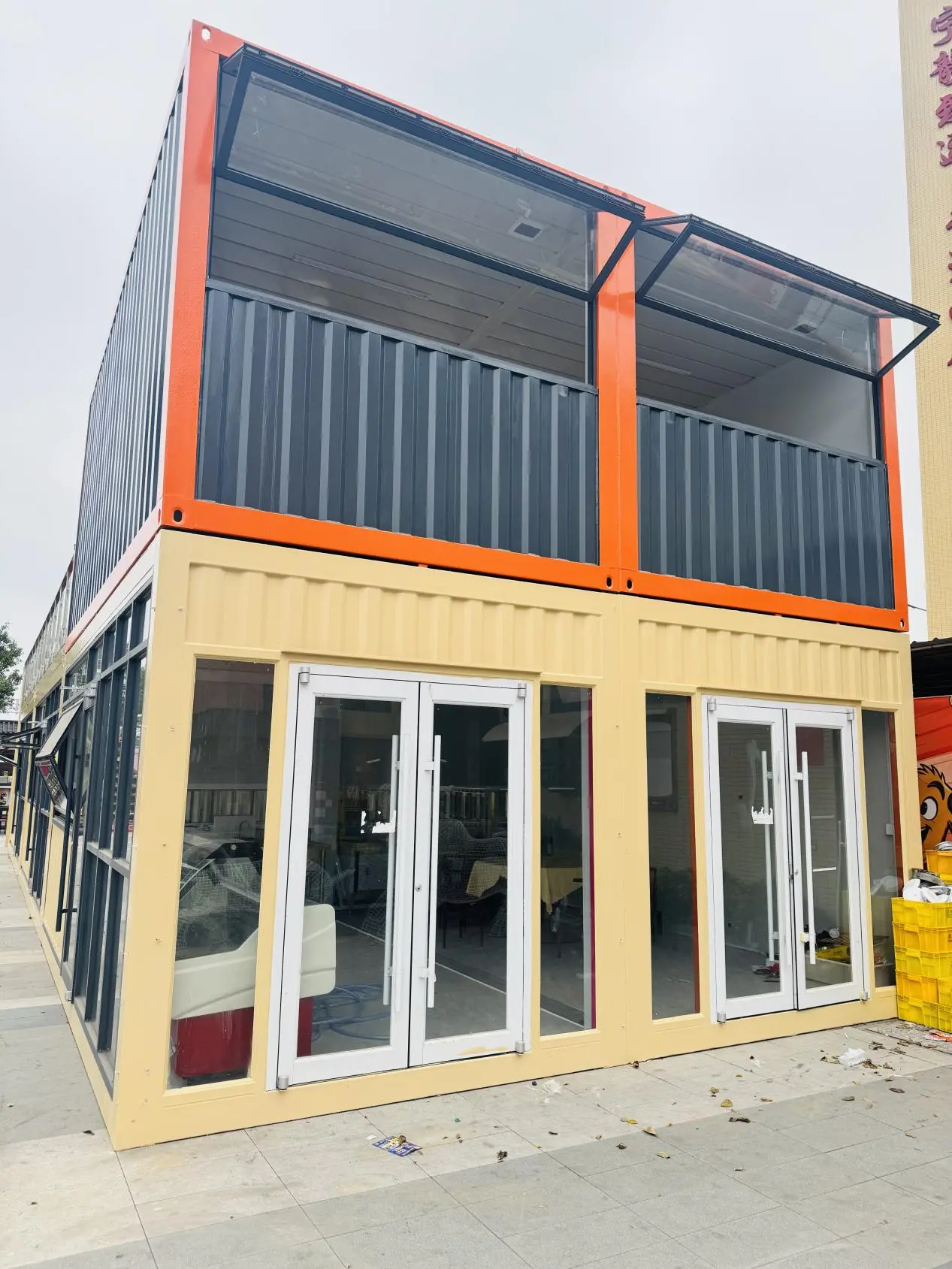
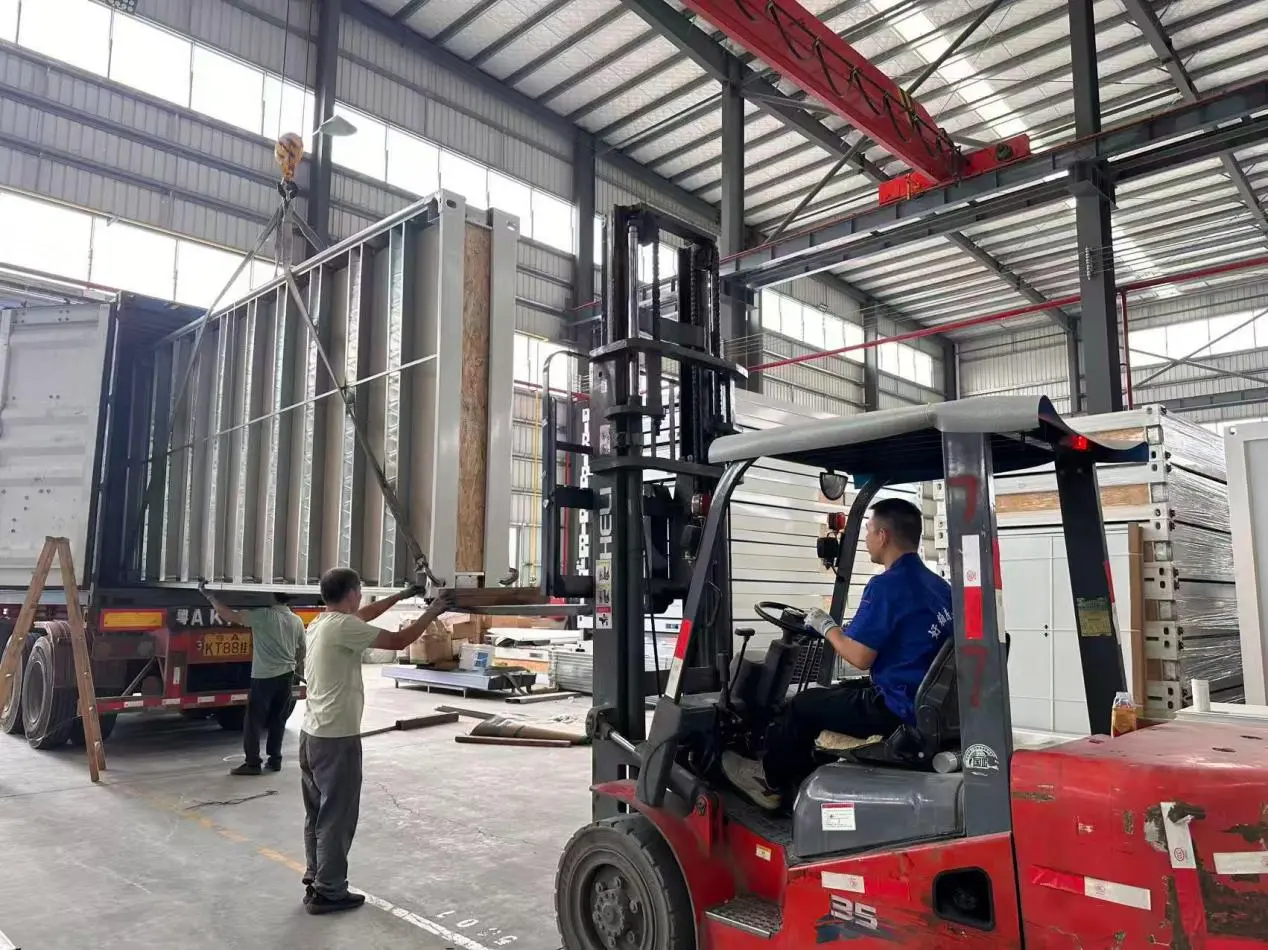
House Modular is a production oriented enterprise. The company has a large production base, and the factory has a senior professional independent research and development team. The factory currently has more than 200 employees, among which technical personnel such as shell research and development account for more than 30% of the total number of employees; More than 60% of the employees have over 5 years of experience in the shell production industry, and the core members of the team have worked in the building materials service field for more than 10 years. As a supplier of container houses, we must have a strong team to serve customers and solve their demand problems.
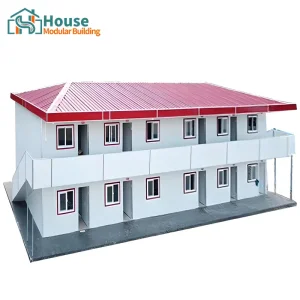
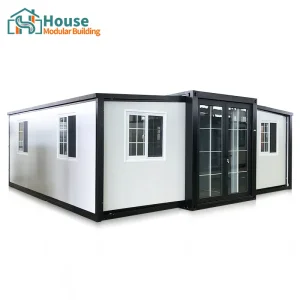
Premium architectural configurations built to standard dimensions, optimized for rapid international transport and structural performance.
 House Modular Building