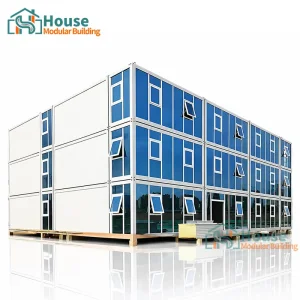
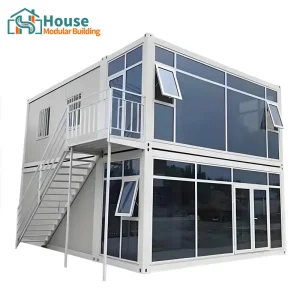
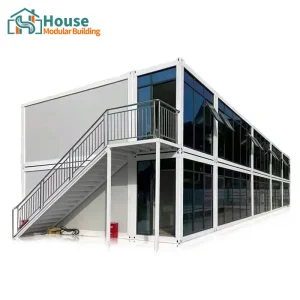
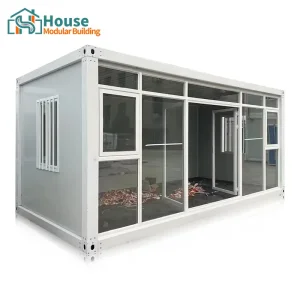
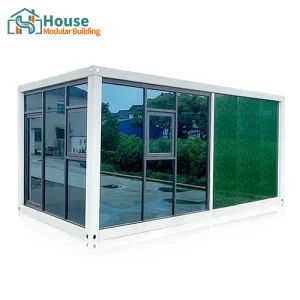
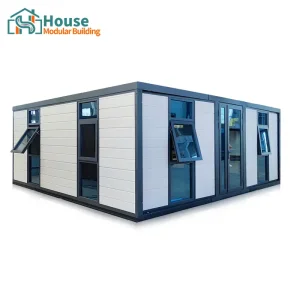
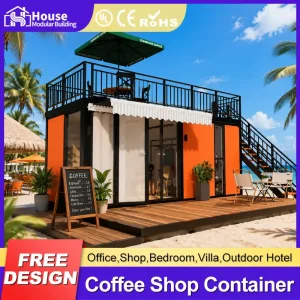
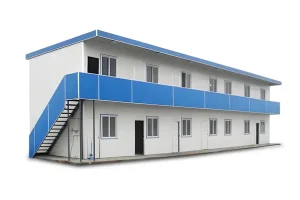
The global construction sector is undergoing a profound structural transition. Driven by escalating on-site labor costs, stringent carbon-reduction mandates, and the imperative for accelerated asset deployment, developers are transitioning away from traditional wet-construction methodologies. In this landscape, the foldable expandable container house has emerged not merely as a temporary shelter option, but as a sophisticated asset class in industrial-grade modular architecture.
From commercial decentralized office networks to remote resource extraction camps, and rapidly deployable emergency command infrastructure, modular buildings minimize project schedules by up to 50%. The ability to compress shipping logistics by packing multiple folded units into a single container slot radically lowers intercontinental transport costs. This represents a paradigm shift in logistical efficiency for EPC (Engineering, Procurement, and Construction) companies worldwide.
As a leading OEM foldable expandable container supplier, House Modular Building bridges the gap between high-tolerance industrial engineering and practical field deployment. By optimizing material profiles, structural distribution, and hinge physics, we ensure our structures are ready for immediate service upon delivery, regardless of geographic constraints.
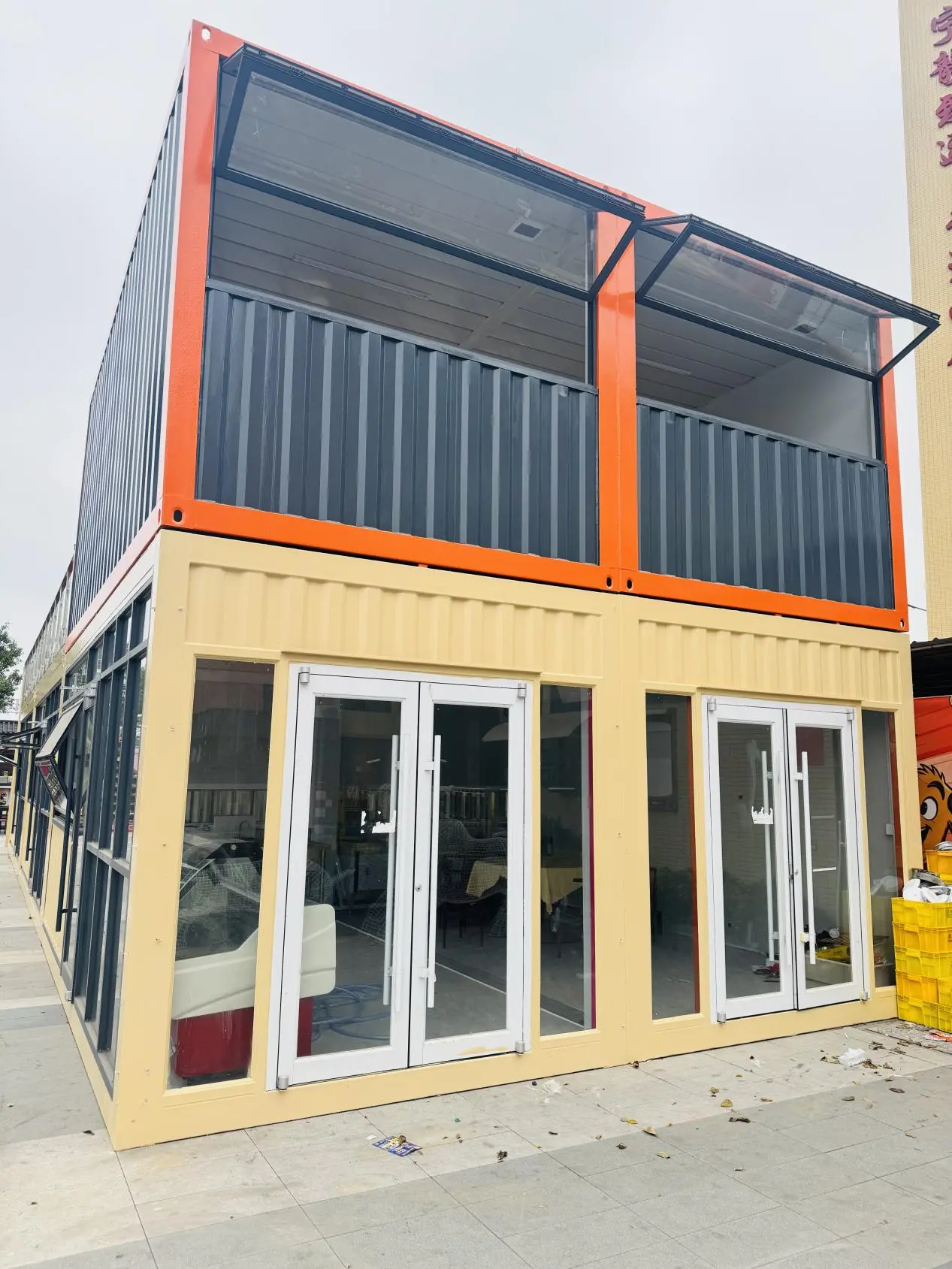
Our structures are designed and calculated to withstand extreme static, dynamic, and environmental loads, ensuring code compliance across key global jurisdictions.
Constructed with cold-formed Q355B structural steel, processed through hot-dip galvanization (minimum coating mass 275g/m²). Provides exceptional structural elasticity and atmospheric corrosion resistance.
Insulated using high-density Polyurethane (PIR) or Rockwool core sandwich panels. Our systems achieve extremely low thermal transmittance values, suitable for Arctic or sub-Saharan environments.
Features heavy-duty stainless-steel folding linkages with integrated polymer gaskets. Prevents water ingress and mechanical wear during repetitive expansion cycles.
| Performance Metric | Standard Configuration | Premium/Extreme Upgrades | Compliance Standard |
|---|---|---|---|
| Wind Load Resistance | 90 km/h (Class 10 Beaufort) | Up to 140 km/h (Class 12 Beaufort) | AS/NZS 1170.2, IBC Chapter 16 |
| Seismic Capacity | Grade 7 Acceleration | Grade 8-9 Acceleration (Reinforced joints) | GB 50011-2011, Eurocode 8 |
| Floor Load Capacity | 2.0 kN/m² (Residential) | Up to 4.5 kN/m² (Equipment/Office load) | EN 1991-1-1 |
| Thermal Transmittance (U-Value) | 0.35 W/m²·K (50mm PIR Panel) | 0.18 W/m²·K (100mm Dual-Core PIR/Vacuum) | ISO 6946, ASHRAE 90.1 |
| Acoustic Attenuation | 32 dB (Standard walls) | 45 dB (Multi-layer decibel-damping composition) | ASTM E90 |
Designed with reinforced roof truss systems to manage snow accumulation loads exceeding 1.5 kN/m². We utilize non-cold-bridging insulation profiles to prevent condensation and structural dampness in sub-zero climates.
Equipped with C5-M high-durability marine-grade paint finishes to protect structural frames from high humidity and airborne salinity. Engineered ventilation paths prevent mold propagation in hot, humid climates.
Features solar-reflective exterior surface coatings (SRI > 82) to minimize radiative heat transfer. Sealed electrical control units prevent fine dust intrusion, ensuring system reliability in desert regions.
How House Modular Building minimizes delivery times and mitigates international logistics risks.
Our strategic presence with manufacturing facilities in both North and South China allows us to leverage regional supply chain advantages. In the North, we source heavy structural steel from domestic mills, optimizing core framing costs. In the South, we benefit from advanced electronics, lightweight composite materials, and direct proximity to global shipping hubs like Shanghai and Shenzhen.
This dual-base setup protects our production against local shipping delays and natural events. By balancing production loads between factories, we maintain stable lead times during peak periods. For global buyers and distributors, this translates to reduced ocean transit times, flexible container packing, and lower domestic transport costs inside China.

The next generation of foldable modular structures will focus on material sustainability, automated deployment, and off-grid utility integration. House Modular Building's engineering roadmap prioritizes transition to bio-based and highly recyclable composite sandwich cores, lowering the lifecycle environmental impact of each unit.
We are actively developing hydraulic-assisted and smart-actuated folding mechanisms. These upgrades allow a single operator to expand a 20ft or 30ft unit via a mobile app or central control panel in under five minutes, eliminating the need for heavy crane assistance at the job site.
Additionally, we are designing plug-and-play solar microgrids and greywater recycling systems into our standard wall panels. These integrations support remote projects where traditional utility access is unavailable or cost-prohibitive.
Wiring systems, distribution boxes, circuit breakers, and outlets are tailored to destination standards. We support AS/NZS 3000 (Australia), NEC/UL compliance (North America), and CE/EN guidelines (Europe). Plumbing assemblies use WaterMark, UPC, or CE-marked components to ensure straightforward sign-offs by local inspectors.
We provide comprehensive engineering calculations, finite element analysis (FEA) reports, and foundation loading plans. These documents support municipal permit applications, helping developers verify structural performance under local wind, snow, and seismic conditions.
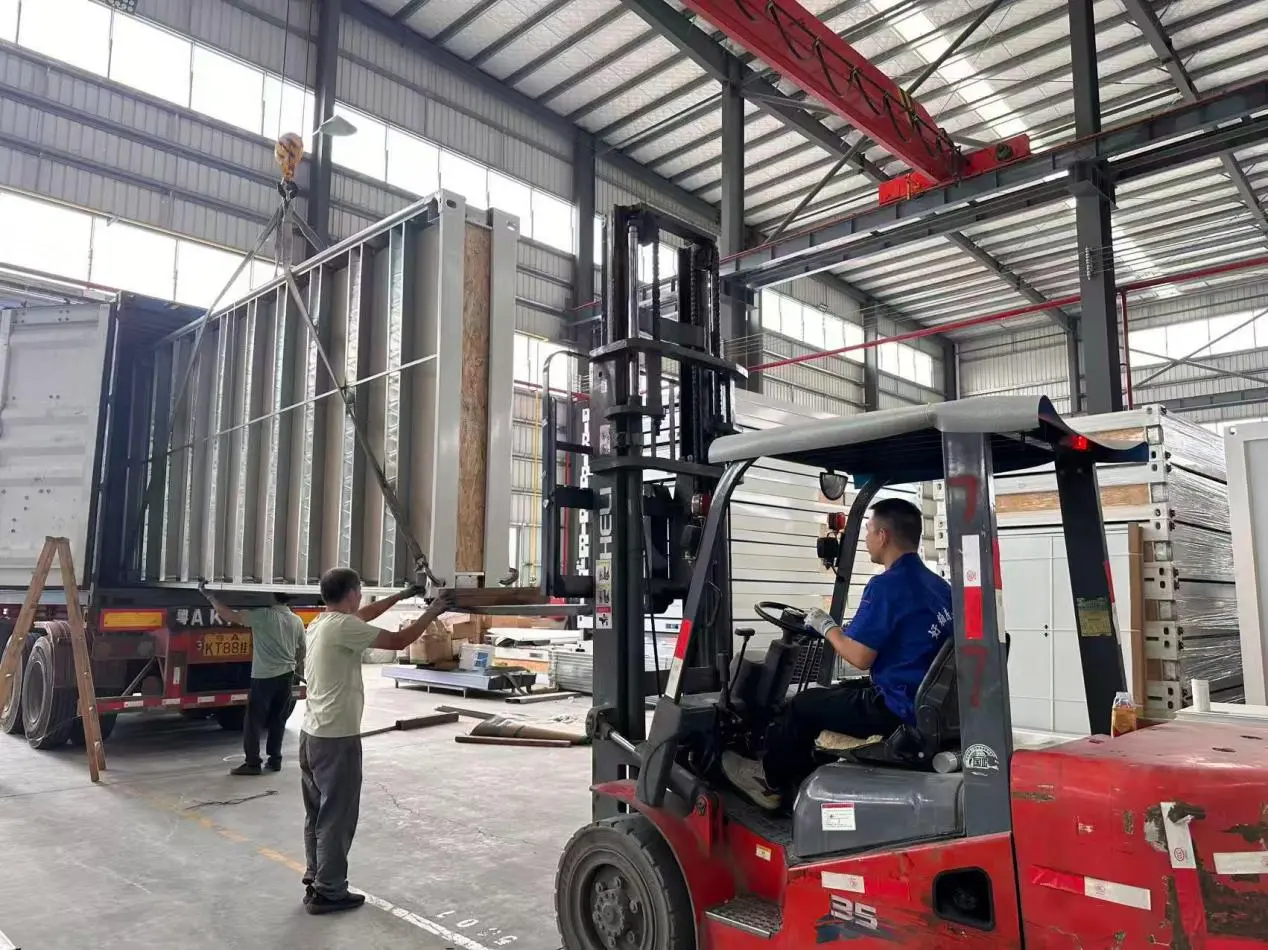
House Modular Building has rich professional knowledge and experience in the production of container houses and prefabricated houses. The company has a design team to provide solution design for customers' needs, a sales team to follow up and serve customers' order requirements, and the factory guarantees product delivery with quality and production efficiency.
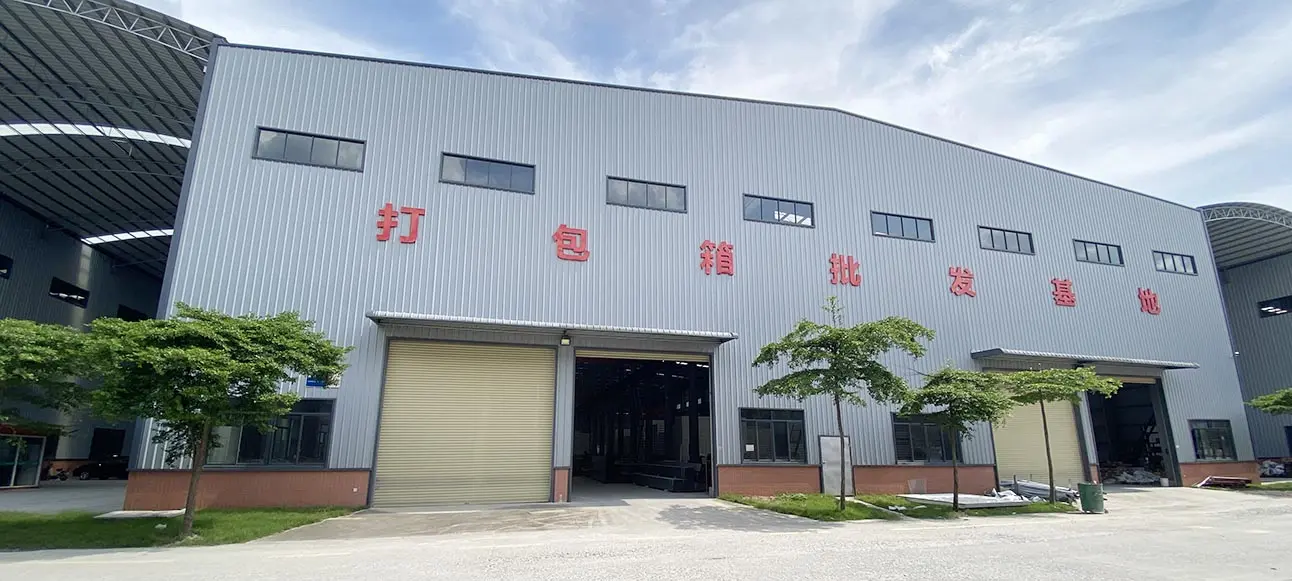
In order to better serve customers and demonstrate the company's production and delivery capabilities, we have established production bases in both the north and south of China to provide efficient delivery capabilities to customers with different national needs. We support OEM and ODM operations in our factory for different countries, and provide distributors with a mutually beneficial partnership.
For a long time, with the evaluation and recognition of customer satisfaction, our company team has comprehensive service capabilities and business technology coverage, starting from the production of raw materials, to the construction and construction of foundations, and then to the construction and operation of service systems.
House Modular is a production oriented enterprise. The company has a large production base, and the factory has a senior professional independent research and development team. The factory currently has more than 200 employees, among which technical personnel such as shell research and development account for more than 30% of the total number of employees; More than 60% of the employees have over 5 years of experience in the shell production industry, and the core members of the team have worked in the building materials service field for more than 10 years. As a supplier of container houses, we must have a strong team to serve customers and solve their demand problems.
 House Modular Building